





1. Tires: Your Only Connection to the Road
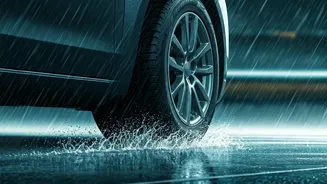
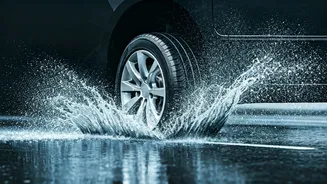
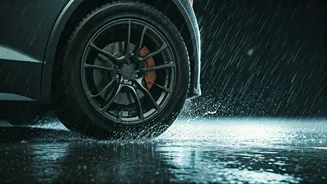
Your tires are the single most critical safety component in wet weather. Their ability to channel water away from the contact patch is what prevents hydroplaning—that terrifying feeling of gliding uncontrollably on a thin film of water. Before the rainy
season starts, perform two simple checks. First, check your tread depth. The classic method works: insert a penny into the tread with Lincoln's head upside down. If you can see the top of his head, your tread is worn below the recommended 2/32 of an inch, and it's time for new tires. Second, check your tire pressure. Underinflated tires can't maintain their proper shape, reducing their ability to evacuate water and increasing the risk of hydroplaning. Check the pressure when the tires are cold and inflate them to the manufacturer's recommended PSI, found on the sticker inside your driver-side door jamb.
2. Wiper Blades: A Clear View Ahead
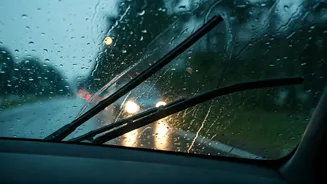
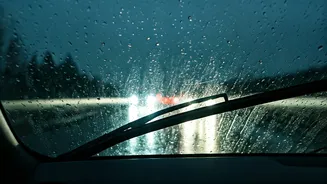
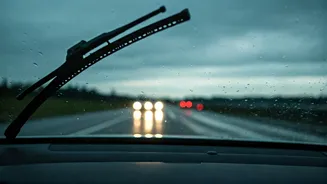
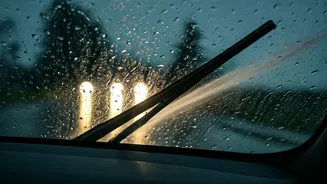
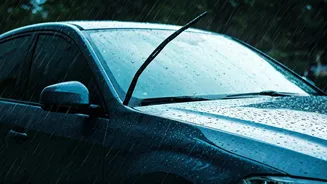
If you can't see, you can't drive safely. It’s that simple. Wiper blades are made of rubber that degrades over time due to sun exposure and use. Worn blades will streak, skip, or squeak, leaving your windshield a blurry mess when you need clarity the most. Inspect your blades for any signs of cracking, splitting, or brittleness. A good rule of thumb is to replace them every six to twelve months. Lift the wiper arm away from the windshield and run your finger along the rubber edge. If it feels rough or has nicks, it won’t make clean contact with the glass. Replacing them is a quick, inexpensive DIY job that pays huge dividends in visibility and safety during a storm.
3. Lights: See and Be Seen
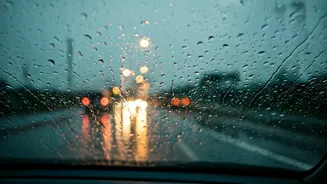
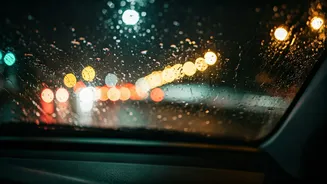
In heavy rain, visibility drops dramatically for everyone. Your lights aren’t just for helping you see the road; they’re for helping other drivers see you. Many states have laws requiring headlights to be on whenever the windshield wipers are in use. Before bad weather hits, do a quick walk-around of your car. With the help of a friend or by using the reflections in a garage door or storefront window, check that all your lights are functional: headlights (both low and high beams), taillights, brake lights, and turn signals. A burned-out bulb is a simple fix that can prevent a fender-bender—or worse—in low-visibility conditions.
4. Brakes: Plan for Extra Stopping Distance
Your brakes will always have a harder time in the rain. Water can reduce the friction between the brake pads and rotors, increasing the distance it takes to come to a complete stop. While a full brake inspection is best left to a professional, you can be mindful of warning signs. Do you hear a high-pitched squeal or a grinding noise when you press the pedal? Does the pedal feel soft, spongy, or sink to the floor? These are signs that your brake system needs immediate attention. Even with brakes in perfect condition, smart drivers know to increase their following distance in the rain, giving themselves the extra space they’ll need to stop safely.
5. Windshield and Defroster: Fight the Fog
Rain often brings humidity, which can cause your car's interior windows to fog up in an instant, completely obscuring your view. Your car’s climate control system is your best weapon against it. Before you need it, test your defroster and air conditioning. The A/C is surprisingly effective at defogging because it removes moisture from the air. Make sure your front and rear defrosters are working properly. While you're at it, top off your windshield washer fluid. Rain often kicks up a grimy film from the road that smears across your windshield, and you’ll need plenty of washer fluid to clear it away for a safe view of the road.