







So, What Exactly Is Mango Sago?
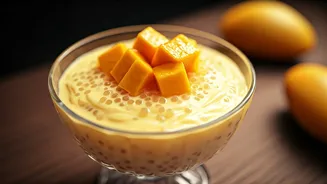
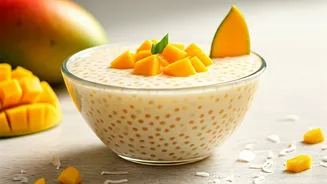
Imagine the perfect antidote to a sweltering day, served in a glass. That’s mango sago. At its heart, it’s a chilled dessert pudding that masterfully combines three core components. First, there's the star of the show: ripe, luscious mango, often pureed
into a sweet, fragrant base and also diced into juicy chunks for texture. Next comes coconut milk, which lends a rich, creamy body that balances the fruit's sweetness. The final, crucial element is sago—small, translucent pearls made from the pith of tropical palm stems. When cooked, they become soft and chewy, similar to tapioca pearls, creating a delightful textural contrast in every spoonful. The result is a dessert that’s simultaneously refreshing, decadent, and light, a symphony of sweet, tangy, and creamy flavors that feels both simple and sophisticated.
A Southeast Asian Classic Finds New Fans
While it might be trending in India's capital right now, mango sago is far from new. The dish is a beloved classic across Southeast Asia, with roots tracing back to Hong Kong in the 1980s. A Hong Kong dessert shop is widely credited with inventing it as a refreshing new offering. From there, its popularity spread like wildfire to Singapore, Malaysia, Thailand, and Taiwan, where it became a menu staple in dessert parlors and restaurants. Each region has its own subtle variation—some add pomelo for a citrusy kick (a version known as Mango Sago Pomelo), others might incorporate condensed milk for extra sweetness, or even a scoop of vanilla ice cream for a truly indulgent treat. Its arrival as a viral hit in Delhi is a perfect example of how classic dishes are finding new life and new audiences through the global language of food culture on social media.
Why It's Blowing Up in Delhi Now
Delhi's food scene is a dynamic mix of centuries-old tradition and hyper-modern trends. Mango sago’s recent surge in popularity fits perfectly into this landscape for a few key reasons. First, it’s incredibly photogenic. The brilliant yellow hue, studded with glistening pearls and bright chunks of fruit, is pure Instagram gold. In a world where we eat with our eyes first, it’s an undeniable star. Second, it offers a novel texture and flavor profile that stands out from more traditional Indian desserts, which are often based on milk solids, flour, and sugar syrup. Mango sago is fruit-forward, gluten-free, and can easily be made vegan, ticking a lot of modern dietary boxes. Finally, there's the seasonal appeal. During India's famously intense mango season, the dish is a celebration of the country’s favorite fruit, offering a cool, elegant way to enjoy it beyond the usual lassis and ice creams.
How to Get Your Own Mango Sago Fix
The best part about this trend is its accessibility. You don’t need to book a flight to get a taste. Mango sago is surprisingly simple to make at home, requiring no special equipment. The process is straightforward: cook the sago pearls in water until they turn translucent, then rinse them in cold water to stop the cooking process and keep them from clumping. While they cool, you simply blend fresh, ripe mangoes with coconut milk and a touch of sweetener like honey or condensed milk, if you desire. Then, you stir in the cooked sago pearls and some diced mango chunks. The final step is crucial: let it chill in the refrigerator for at least an hour. This allows the flavors to meld and thickens the pudding to its signature luscious consistency. Serve it cold in a glass or bowl, and you have a world-class dessert made right in your own kitchen.