



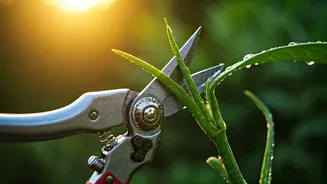


Deadhead for Non-Stop Blooms
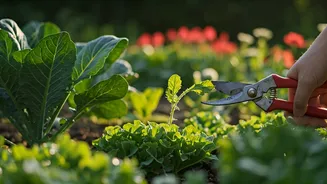
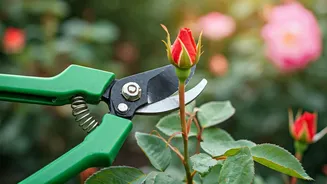
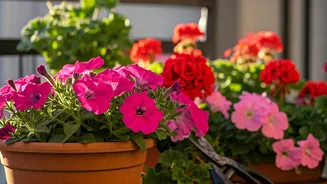
By June, many of your annuals and early-blooming perennials like petunias, salvia, and roses have put on their first big show. Now, they’re starting to look a little tired, with spent flowers turning brown. This is your cue to deadhead. Snipping off old
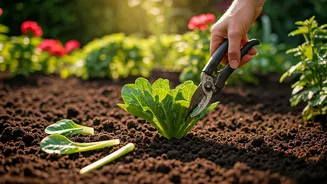
blooms does more than just make a plant look neater; it redirects the plant's energy from making seeds to producing more flowers. For plants with single stems like zinnias or cosmos, simply snip the stem back to a set of healthy leaves. For mounding plants like petunias, a light shearing across the top can reinvigorate the entire plant for another flush of color. It's one of the most satisfying garden chores with the most immediate reward.
Perform the 'Chelsea Chop'
This classic British technique is perfect for many late-summer perennials that tend to get tall and floppy, such as asters, phlox, and sedums. The name comes from the famous Chelsea Flower Show in late May, which is the traditional time to do it, but early June works just as well in most U.S. climates. The method is simple: cut the plant back by about a third to a half. It feels drastic, but the result is a sturdier, bushier plant that won't collapse in a summer rainstorm. It also encourages more branching, which means more (though slightly smaller and later) flowers. You can chop the whole plant for a uniform look or just prune the front half to create a tiered effect where blooms cascade downward.
Stake and Support Before the Flop
If you've ever watched a beautiful, top-heavy peony or delphinium get flattened by a single thunderstorm, you know the pain of not staking in time. June is the perfect moment to add supports while plants are still manageable and you can easily work around them. It's far easier to guide growth now than it is to perform emergency surgery on a broken stem later. For multi-stemmed plants, use grow-through grid supports that the plant can rise into naturally. For tall, single-stalk flowers like gladiolus or sunflowers, a simple bamboo stake and some soft garden twine will do the trick. For vining plants like tomatoes and clematis, ensure their trellis or cage is secure and gently guide new growth onto its support system.
Weed and Mulch for Summer Survival
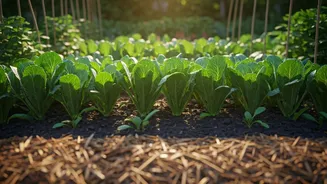
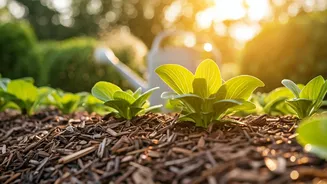
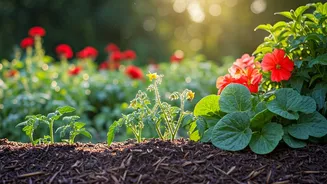
Weeding isn't just about aesthetics; it's about eliminating competition. Weeds steal precious water, nutrients, and sunlight from the plants you actually want to grow. June's relatively mild weather is an ideal time to get a handle on them before they set seed and multiply. Once you’ve cleared an area, lock in your hard work by applying a two-to-three-inch layer of mulch. Shredded bark, pine straw, or compost works beautifully. Mulch does double duty: it suppresses new weed growth and, most importantly, conserves soil moisture by slowing evaporation. This single act is one of the best things you can do to prepare your garden beds for the dry, hot days of July and August.
Prune Spring-Flowering Shrubs
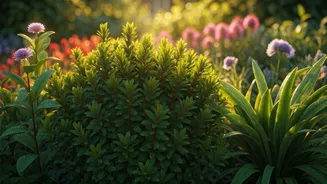
This is a time-sensitive task. Shrubs that bloom in the spring, like lilacs, forsythia, and rhododendrons, form their flower buds for next year during the summer. If you prune them too late, you'll be cutting off next year's floral display. The rule of thumb is to prune them within a month after they finish flowering. For many of these plants, June is the final call. Your goal is to shape the plant, remove any dead or crossing branches, and improve air circulation. This encourages healthy growth without sacrificing the spectacular show you're looking forward to next spring.
Scout for Pests and Disease
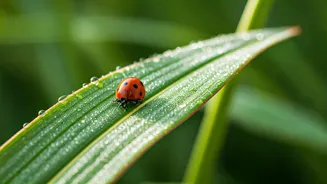
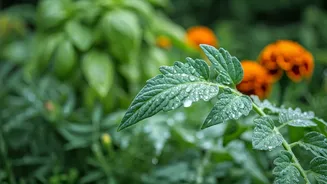
Warm, humid weather is an open invitation for pests like aphids, spider mites, and Japanese beetles, as well as fungal diseases like powdery mildew. Take a weekly walk through your garden specifically to look for trouble. Check the undersides of leaves, where many pests hide. Look for discolored spots, sticky residue, or fine webbing. Catching an infestation early makes it much easier to manage. Often, a strong blast of water from the hose is enough to dislodge aphids. For more persistent issues, consider insecticidal soap or neem oil as a first line of defense before reaching for stronger chemicals. A healthy, tidy garden is a less hospitable place for pests to begin with.