




The Culture Behind the Craving
First, forget everything you know about a gloomy, drizzly day. In India, Pakistan, Bangladesh, and across South Asia, the monsoon season (roughly June to September) is a celebrated, life-giving event. It’s a dramatic, poetic break from scorching summer
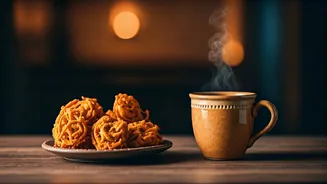
heat. The smell of the first rain hitting dry earth—an aroma called petrichor—is a moment of collective relief and joy. And with that joy comes a specific, near-universal craving: something hot, crispy, and savory, almost always paired with a steaming cup of masala chai. This isn't just about grabbing a bite; it's a multisensory experience that connects weather, emotion, and community. Families gather, friends make impromptu plans, and street vendors do a brisk business, all centered around the simple pleasure of eating together as the skies open up.
The Iconic Trio: Pakoras, Samosas, and Chai
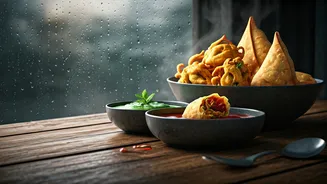
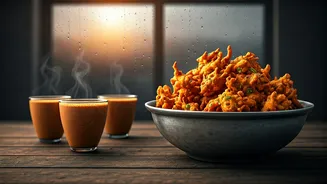
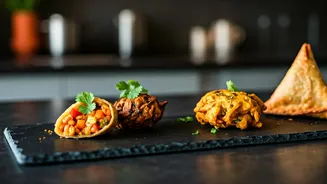
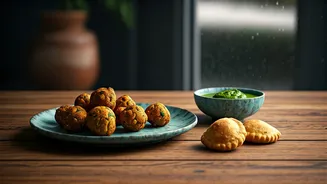
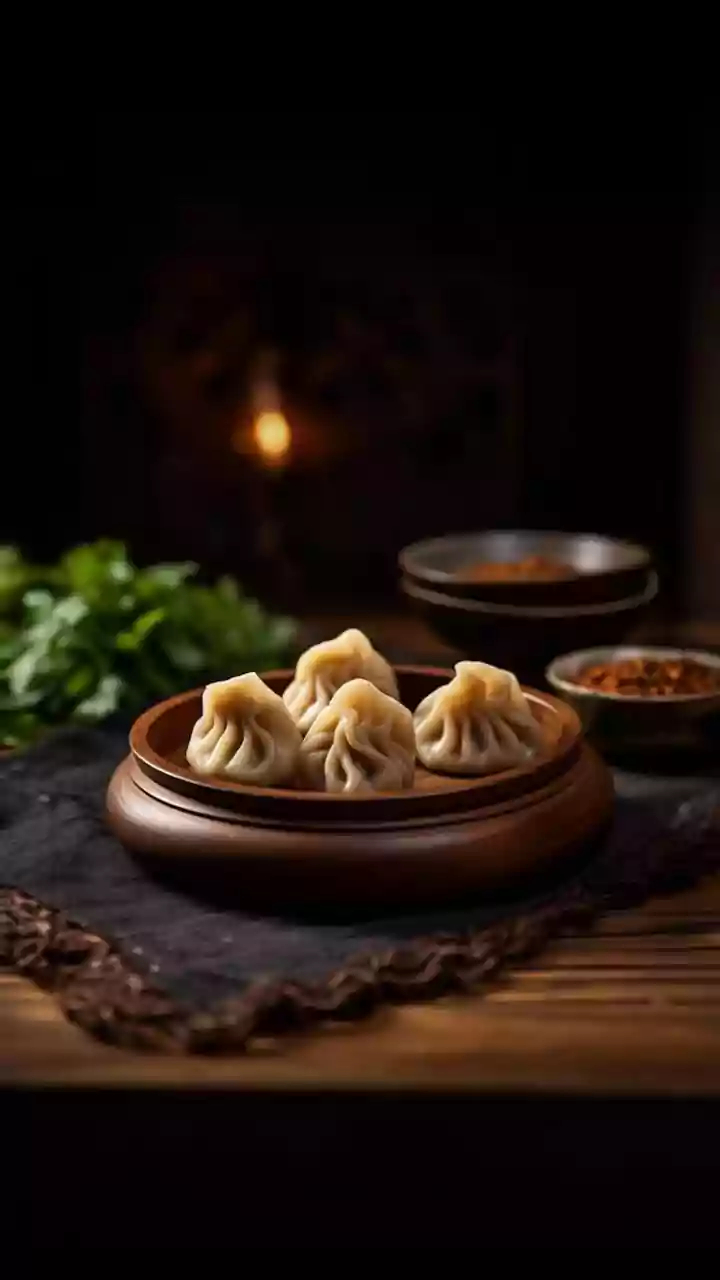
If monsoon snacks had a Mount Rushmore, three faces would be carved into it. First is the pakora (also known as bhaji or bhajia). These are savory fritters made by dipping vegetables—like sliced onions, potatoes, spinach, or cauliflower—in a spiced chickpea flour batter and deep-frying them until golden and crunchy. They are dangerously easy to eat by the dozen. Next is the mighty samosa, a pyramid-shaped pastry filled with a spiced mixture, most commonly potatoes and peas. While available year-round, a hot, flaky samosa fresh from the fryer hits different when it’s raining. The final, non-negotiable element is masala chai. This isn’t your coffee shop chai latte; it’s strong black tea boiled with milk, sugar, and a fragrant blend of spices like cardamom, ginger, cloves, and cinnamon. The warm, spicy brew is the perfect counterpoint to the rich, oily snacks, cutting through the grease and warming you from the inside out.
Why Is It Trending in the U.S. Now?
So why are Americans suddenly hearing about monsoon snacks? The trend is fueled by a perfect storm of factors. The most significant is the growing and increasingly visible South Asian diaspora. As chefs and home cooks share their heritage, these deeply ingrained food traditions are moving from private homes to public spaces like restaurants, pop-ups, and cafes. Social media has also played a massive role. A scroll through Instagram or TikTok on a rainy day might reveal countless videos of crispy pakoras sizzling in oil or hands cradling a cup of chai against a rain-streaked window. It’s a visually appealing, cozy aesthetic that resonates far beyond the diaspora. For second-generation immigrants, sharing these foods is a way to connect with and celebrate their heritage. For other Americans, it’s a delicious entry point into a rich culinary tradition that prioritizes comfort, flavor, and community.
Beyond the Classics
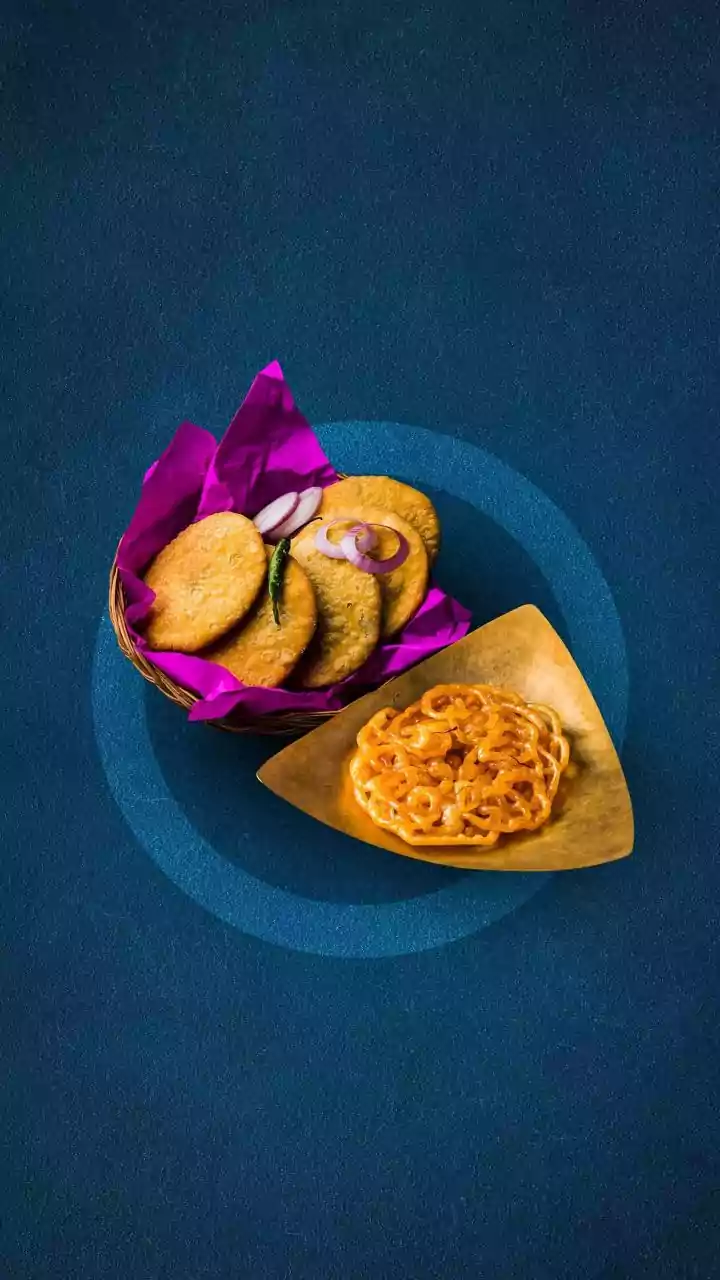
While pakoras and samosas are the headliners, the monsoon snack genre is wonderfully diverse. Another street-side staple is bhutta, or roasted corn on the cob. Vendors roast ears of corn over hot coals until they’re charred and smoky, then rub them with salt, chili powder, and a squeeze of lime juice. It’s a simple, rustic, and utterly addictive snack. Then there’s the humble instant noodle. A quick-and-easy bowl of Maggi noodles, often customized with extra spices and vegetables, is a beloved rainy-day comfort food for millions, much like mac and cheese is in the U.S. From sweet, syrupy jalebis to hearty bread pakoras (a sort of savory French toast sandwich), each region and family has its own go-to. The common thread is that they are almost always warm, often fried, and best enjoyed while listening to the sound of the rain.