


From Traditional Treat to Modern Art
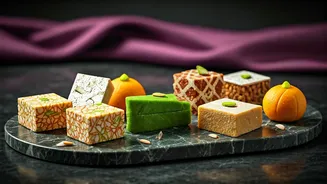
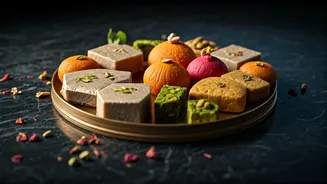
For generations, mithai—a broad category of South Asian sweets—have been central to celebrations, festivals, and daily life. You might know them by name: the diamond-shaped cashew fudge called kaju katli, the golden chickpea flour spheres known as ladoo,
or the dense milk-based barfi. Traditionally, they are unapologetically sweet, rich, and often brightly colored, sold by the pound from neighborhood sweet shops. They are comfort, nostalgia, and ritual rolled into one delicious bite. But a culinary evolution is underway. A new generation of chefs and confectioners, many of them South Asian Americans, are reimagining these beloved classics. They’re taking the soul of mithai and dressing it in a modern, globally-inspired wardrobe. This isn't about replacing tradition, but rather expanding its definition and introducing it to a whole new audience.
So, What Makes It 'Luxe'?
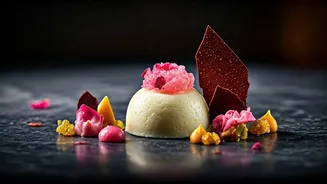
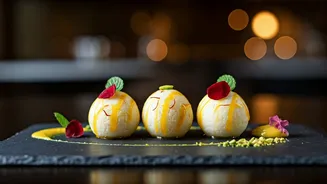
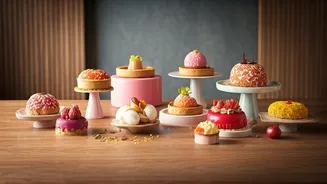
The “luxe” in luxe mithai isn’t just about a higher price tag; it’s a complete philosophical shift in ingredients, technique, and presentation. First, the ingredients are premium and globally sourced. Think less vegetable shortening, more French butter. Less sugar, more complex sweetness from dates or monk fruit. Confectioners are infusing their creations with single-origin chocolate, Iranian saffron, Madagascar vanilla, and edible 24-karat gold leaf. Then come the flavor fusions. Traditional cardamom and rose are now paired with unexpected partners like lavender, matcha, yuzu, or salted caramel. You might find a barfi with a delicate Earl Grey infusion, a ladoo with a Biscoff cookie crunch, or a chocolate truffle filled with a spicy chai ganache. The final piece of the puzzle is aesthetics. Gone are the rustic mounds and fluorescent colors. In their place are sleek, geometric shapes, minimalist packaging worthy of a high-end jewelry brand, and a muted, natural color palette. Each piece is crafted to be as beautiful to look at as it is to eat.
The New Star of the Dessert Table
This thoughtful reinvention has made luxe mithai the breakout star for event planners and stylish hosts across the country. At weddings, they appear as elegant welcome gifts for guests, personalized favors, or as the centerpiece of a stunning dessert bar that offers a sophisticated alternative to a traditional cake. The bite-sized, naturally gluten-free options (many are made with nut or lentil flours) also appeal to a wider range of dietary needs. Beyond weddings, corporate clients are sending curated mithai boxes to impress partners and employees, moving beyond the standard-issue fruit basket. For holidays like Diwali, the demand is obvious, but these sweets are now appearing in Thanksgiving and Christmas spreads, offering a unique and personal touch. At a dinner party, a small, elegant box of artisanal mithai is the new bottle of wine—a thoughtful, impressive host gift that tells a story.
A Story of Cultural Confidence
Ultimately, the rise of luxe mithai is about more than just food. It’s a powerful expression of cultural confidence. It’s driven by third-culture kids and culinary entrepreneurs who grew up navigating multiple identities. They are no longer content with their ancestral cuisine being relegated to cheap buffets or seen as “exotic.” Instead, they are proudly claiming its space in the world of gourmet food. By applying classical French pastry techniques or Japanese design principles to Indian flavors, they are making a statement: that their heritage is not a static relic, but a living, breathing tradition that can evolve and innovate. They are crafting a new narrative—one that is complex, sophisticated, and undeniably delicious. This trend isn’t just about a new kind of sweet; it's about a new way of seeing a culture.