

The Jewel of the Season: Stone Fruit
Let’s start with the undisputed star of summer produce: stone fruit. We’re talking about the family of peaches, nectarines, plums, apricots, and cherries. Their season is a fleeting, glorious window, a reminder that the best things in life are temporary.
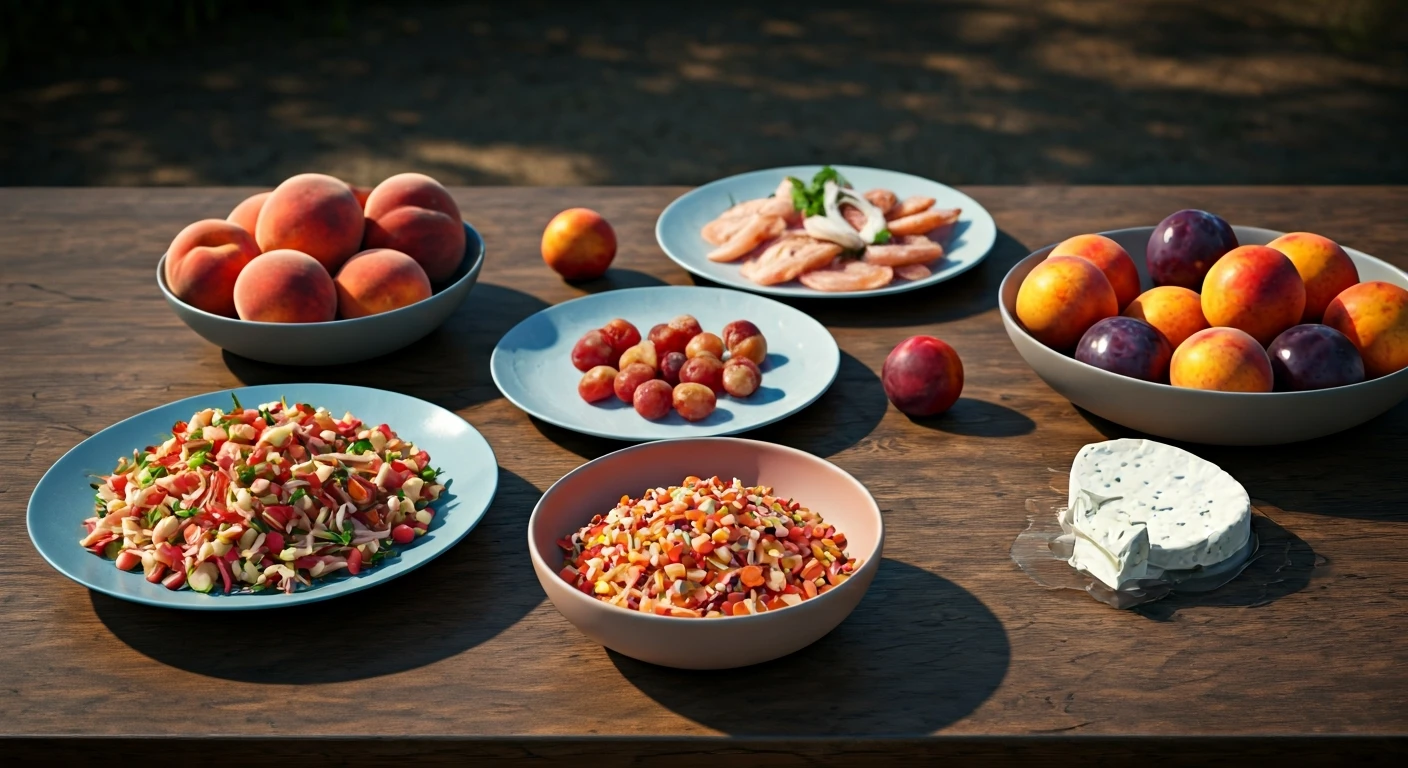
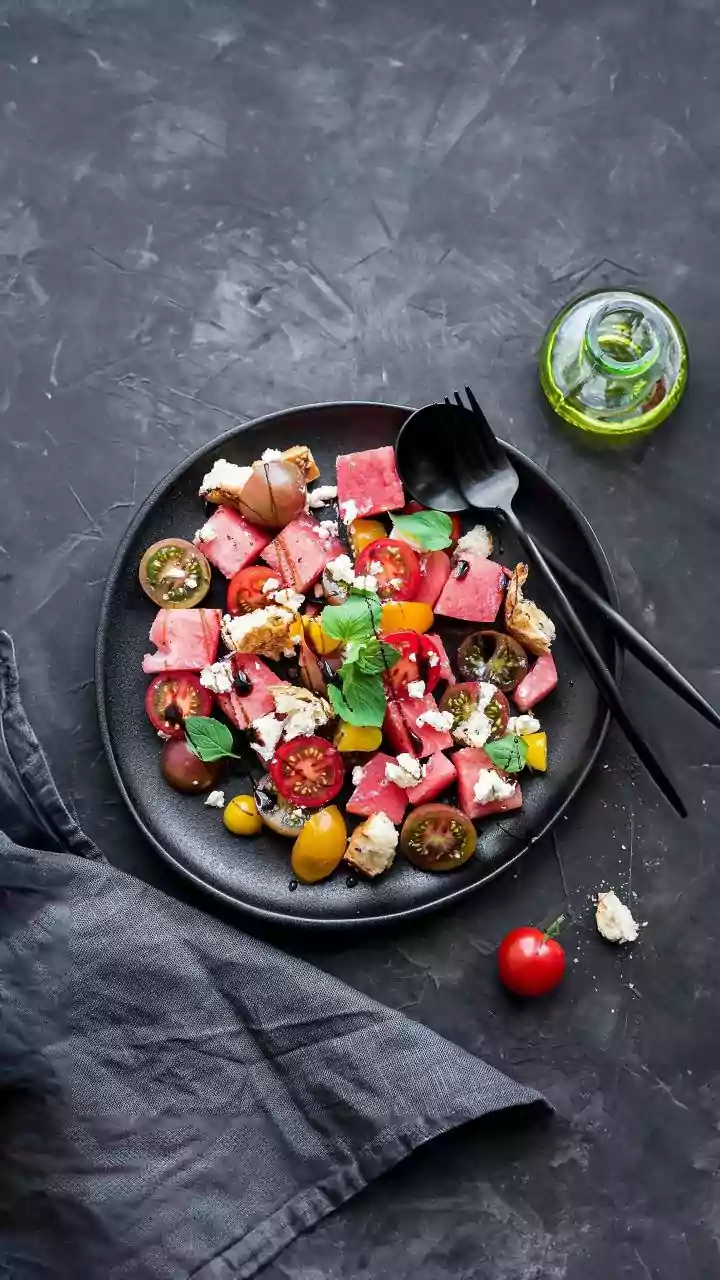
The magic of a perfectly ripe peach, juice running down your chin, is a core summer memory for a reason. But their power extends far beyond being eaten over the sink. Sliced and layered with prosciutto and basil, they become a savory-sweet appetizer. Quartered and tossed onto a grill for a few minutes, their sugars caramelize into something smoky and profound, a perfect partner for vanilla ice cream or a dollop of mascarpone. The key is to do as little as possible. When an ingredient is this good, the most sophisticated technique is restraint. A bowl of ripe cherries needs no accompaniment; a platter of sliced plums needs no recipe. They are nature’s dessert, a self-contained explosion of flavor that defines the season.
Slaw's Glorious Reinvention
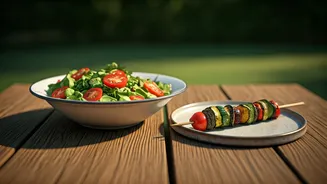
Now, let’s talk about slaw. And no, not the pale, watery, mayonnaise-drowned cabbage languishing in a plastic tub at the supermarket. We're talking about slaw in its highest form: a vibrant, crunchy, acidic powerhouse that can brighten up any meal. The modern slaw is a study in texture and contrast. It starts with a crisp base—cabbage, yes, but also consider shredded broccoli stems, kohlrabi, fennel, or carrots. The real revolution is in the dressing. A sharp, vinegar-based vinaigrette, a squeeze of lime juice with cilantro and jalapeño, or a creamy yogurt-dill sauce can transform the humble vegetable into something electric. The additions are where it truly sings. Toasted nuts for crunch, fresh herbs like mint and parsley for brightness, sliced scallions for a pungent bite, or even fruit like apples or the aforementioned stone fruit for sweetness. A good slaw isn't just a side dish; it's a condiment, a topping, and a textural savior that cuts through the richness of grilled meats or stands alone as a refreshing lunch.
The Genius of the Cold Plate
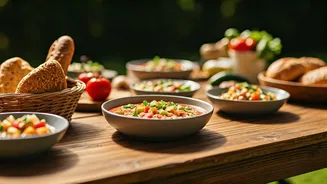
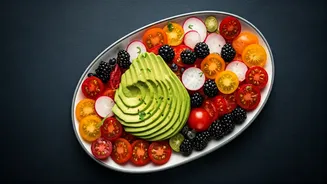
This brings us to the anchor of our no-cook philosophy: the cold plate. This isn’t about sad leftovers. It is the art of intentional assembly. It’s the celebration of the pantry, the deli counter, and the cheese drawer. In its grandest form, it's a charcuterie board overflowing with cured meats, cheeses, olives, and pickles—a “snack board” that has rightfully become an acceptable dinner. But it can be simpler. Think of the classic Ploughman’s lunch: a hunk of good cheddar, a crusty roll, pickled onions, and a sliced apple. Or a Mediterranean-inspired plate with hummus, feta, cucumbers, and pita. High-quality tinned fish—Spanish tuna in olive oil, smoked sardines—paired with crackers, a squeeze of lemon, and a dash of hot sauce is a deeply satisfying meal that takes 30 seconds to assemble. The cold plate is a mindset. It re-frames dinner from a project that requires heat and hours into a curation of delicious, ready-to-eat components. It’s resourceful, elegant, and perfectly suited to a sweltering evening.
The No-Cook Symphony
When you bring these three elements together, you unlock the secret to perfect summer eating. Imagine a sprawling cold plate: slices of salami, a creamy goat cheese, briny olives, and toasted bread. Next to it, a bowl of crunchy, lime-kissed slaw provides a necessary jolt of freshness and acidity. For dessert? A platter of sliced nectarines and ripe cherries, their sweetness a perfect coda to the savory meal. Every element is distinct, yet they work in harmony. The fatty and salty notes of the cold plate are balanced by the slaw’s bright crunch. The pure, unadorned sweetness of the fruit cleanses the palate. It's a complete, satisfying, and texturally diverse meal that required nothing more than a knife, a cutting board, and a bit of thoughtful shopping. You haven't turned on a single burner. The kitchen is cool. And the meal is magnificent.