





An Ancient Concept, Not a New Fad
For many Americans, the gut microbiome is a relatively new frontier of wellness. In India, however, the idea that a healthy digestive system is the cornerstone of all health is thousands of years old. This concept isn't a fad imported from the West; it's
a foundational principle of Ayurveda, the traditional Indian system of medicine. While the language of 'microbes' and 'probiotics' is modern, the core belief that your well-being starts in your stomach has been passed down through generations. What we're seeing today isn't the birth of an obsession, but the commercial and cultural reawakening of an ancient one, turbocharged by global wellness trends and a new generation's interest in its heritage.
The Ayurvedic 'Agni' Principle
To understand India's approach, you need to know about 'agni,' a key concept in Ayurveda. Agni is the Sanskrit word for fire, and in this context, it represents the 'digestive fire.' According to Ayurvedic principles, a strong, balanced agni allows you to properly digest not just food, but also emotions and life experiences. A weak or imbalanced agni, on the other hand, is believed to be the root cause of nearly all diseases, as it leads to the buildup of 'ama,' or toxins from undigested food. Consequently, much of Ayurvedic practice—from diet to herbal remedies—is aimed at protecting and strengthening this digestive fire. This ancient framework provides the cultural logic for why digestive health is taken so seriously.
The Kitchen Is the Pharmacy
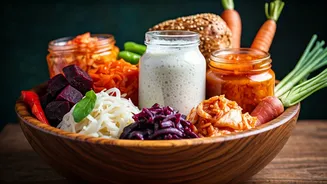
Long before kombucha was on tap, Indian households were master fermenters and purveyors of gut-friendly foods. The daily diet is rich with natural probiotics that are simply considered… food. Homemade yogurt, or 'dahi,' is a staple, often consumed with meals to aid digestion. From dahi comes 'lassi,' a probiotic-rich yogurt drink. Fermented batters for dishes like 'idli' (steamed rice cakes) and 'dosa' (savory crepes) are breakfast staples in South India. Spices aren't just for flavor; they are functional. Turmeric is a powerful anti-inflammatory, ginger is a classic digestive aid, and fennel seeds are chewed after meals as a mouth freshener and digestive. This 'kitchen pharmacy' approach means that for many Indians, supporting gut health is an intuitive, everyday act, not a special supplement regimen.
The Modern Wellness Boom
So what explains the recent explosion? It's a fusion of this ancient knowledge with modern marketing and a growing, aspirational middle class. As in the West, Indian influencers and wellness brands are now packaging these traditional concepts for a new audience. You'll find chic startups selling artisanal 'kanji' (a fermented carrot drink) and slickly packaged Ayurvedic digestive aids. Grandma's wisdom is being rebranded with scientific-sounding language. This new market is also a point of national pride—a way of reclaiming and celebrating indigenous knowledge on a global stage that is increasingly looking to ancient traditions for modern solutions. It’s the perfect storm of tradition, commerce, and identity, turning a timeless practice into a booming, highly visible industry.