






The Technology is Finally Good
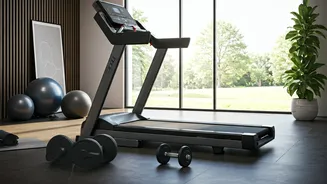
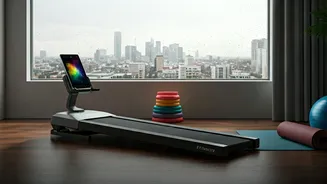
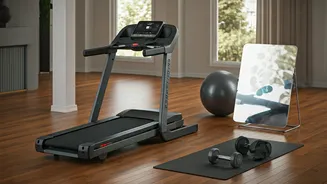
Let’s be honest: for years, home workouts meant dusty aerobics tapes or lonely reps in the garage. That era is over. The game-changer has been the explosion of high-quality, connected fitness technology. Companies like Peloton, Tonal, and Mirror didn't
just put a screen on a piece of equipment; they created immersive ecosystems. With charismatic instructors, live classes, and curated music, they replicate—and some argue, improve upon—the energy of a boutique studio class. Add to that the data-tracking power of wearables like the Apple Watch and smart apps that use AI to personalize routines, and you have a system that keeps users engaged, accountable, and progressing in ways that a solo gym session rarely could.
Unbeatable Convenience and Flexibility
The single biggest currency in modern life is time. The traditional gym model demands a significant investment of it before you even lift a weight. There’s the commute, the parking, the locker room shuffle, and the inevitable wait for the popular squat rack to open up. An indoor workout eliminates all of it. The commute is a 30-second walk to the living room. Your workout can happen at 5 a.m. before the kids wake up or 10 p.m. after a long day. This radical flexibility allows people to fit fitness into the nooks and crannies of a busy life, rather than having to build their entire schedule around a trip to the gym. For parents, remote workers, and anyone with a demanding schedule, this isn't a small perk—it's everything.
A New Kind of Cost-Benefit Analysis
The sticker shock of a $2,000 smart bike or a $3,000 smart gym can be daunting, but many are doing the math and finding it makes sense. A premium gym membership in a major U.S. city can easily run over $150 a month, or $1,800 a year, without including specialty classes. When a household of two both have memberships, that cost doubles. Suddenly, financing a piece of equipment that the whole family can use for a lower monthly cost becomes a compelling financial proposition. Even without expensive hardware, a subscription to a top-tier fitness app for under $20 a month offers more variety and guidance than a basic, budget gym membership ever could, making quality fitness more accessible than before.
The Comfort of Privacy
For every person who thrives on the energy of a crowded weight room, there's another who finds it intimidating. The phenomenon of "gymtimidation" is real. Whether it's feeling self-conscious about form, fitness level, or simply being watched, the public nature of a gym can be a major barrier to entry. The home provides a judgment-free zone. It’s a space where you can try a new dance cardio class and look ridiculous without a care, fail a push-up without an audience, and focus entirely on your own body and your own goals. This psychological safety is a powerful, often unspoken, driver of the at-home fitness trend, especially for beginners.
Community, Redefined
A common knock against home workouts was the lack of community. But tech has solved for that, too. Digital fitness platforms have built robust community features that foster connection and competition in a new way. It's about seeing your name climb a live leaderboard during a spin class, getting a virtual high-five from an instructor, or joining a dedicated Facebook group of thousands who share your favorite workout program. For many, this digital camaraderie feels more supportive and less cliquey than the social dynamics of a physical gym. You're connected by a shared goal, not just a shared zip code, creating a global community from the comfort of your home.