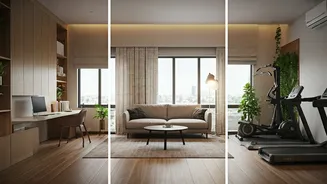


Create Your Zones
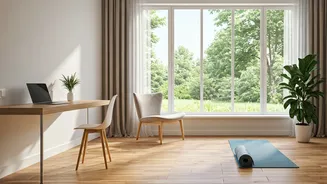
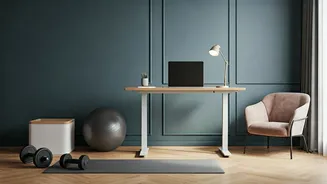
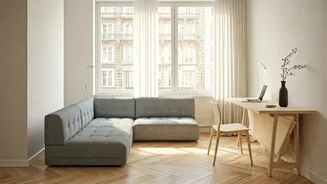
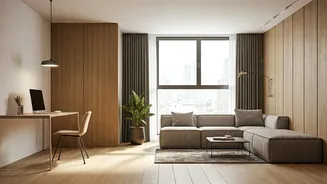
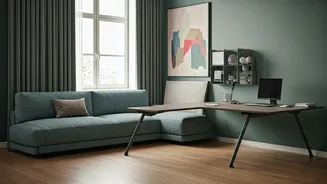
The most critical step in taming a multi-purpose room is creating distinct zones. This isn't about building walls; it's about psychological separation. Use area rugs to define the 'living room' from the 'office.' A simple rug under your desk and chair
can create a visual boundary that signals 'this is where work happens.' You can also use furniture placement to your advantage. The back of a sofa can act as a divider, separating your relaxation space from your sleep space. Even a tall, open-backed bookshelf can create a permeable wall that delineates areas without blocking light or making the room feel smaller. The goal is to give each 'job' its own home, so you’re not staring at your work laptop while trying to fall asleep.
Choose Double-Duty Furniture
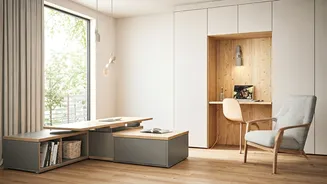
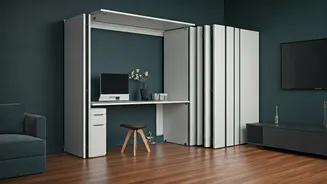
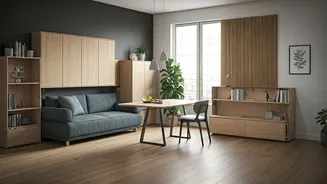
In a small, hard-working space, every piece of furniture needs to earn its keep. Look for items that serve at least two purposes. A storage ottoman can be a footrest, extra seating, and a hiding place for blankets or clutter. A lift-top coffee table can transform into a comfortable desk for your laptop. Consider a sleeper sofa or a Murphy bed that folds away, instantly turning your bedroom into a living area. Expandable dining tables can stay small for everyday use and grow to accommodate guests. Investing in smart, multi-functional furniture is the fastest way to maximize your square footage and minimize the chaos of having too many single-purpose items.
Go Vertical with Storage
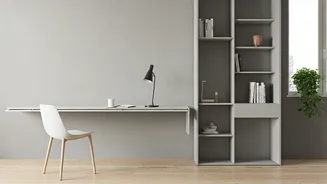
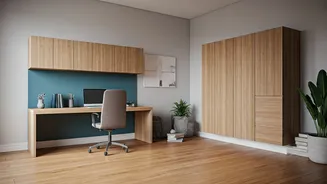
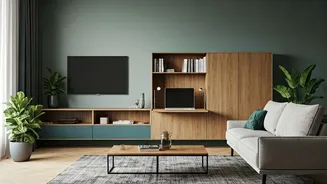
When floor space is at a premium, the only way to go is up. Your walls are valuable, under-utilized real estate. Install tall, narrow bookshelves that draw the eye upward and provide immense storage capacity. Use floating shelves above your desk or TV for books and decorative items. In the kitchen area, a wall-mounted pot rack or magnetic knife strip can free up precious drawer and counter space. Don’t forget the space above your doors—a simple shelf installed there is perfect for storing items you don’t need every day. By thinking vertically, you can store everything you need without sacrificing the floor space that makes a room feel open and breathable.
Master the Art of Lighting
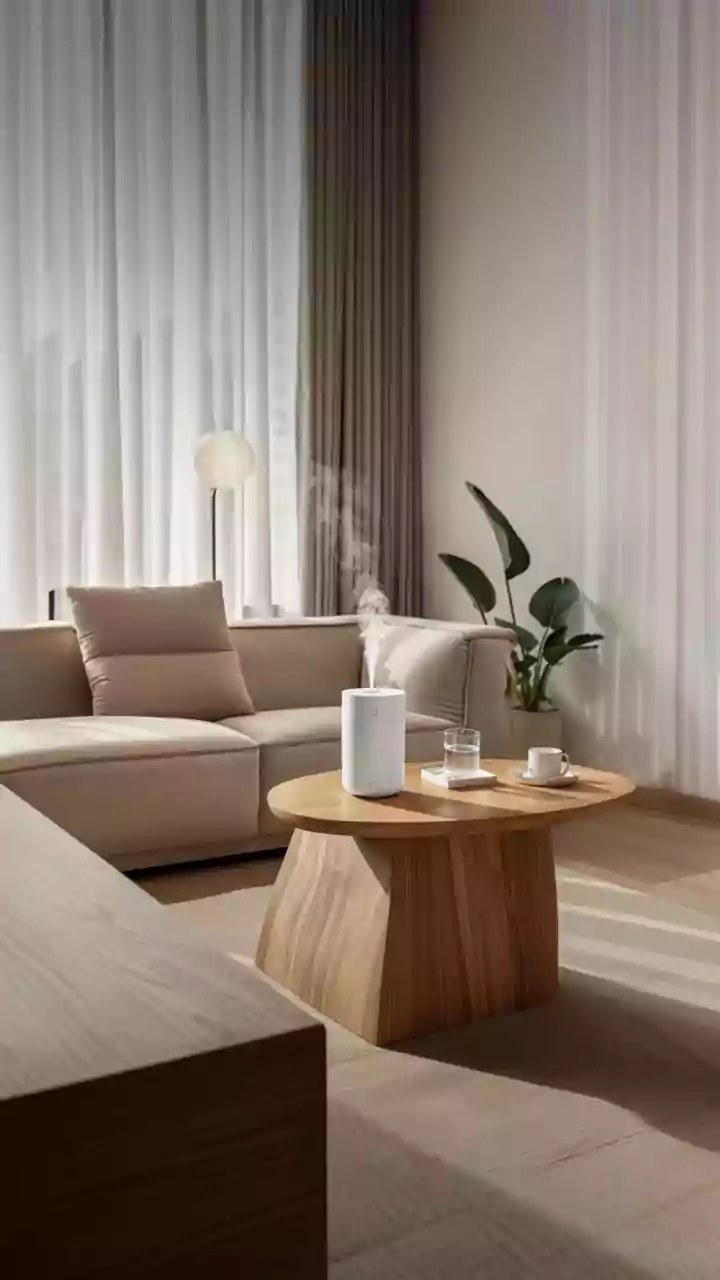
Never underestimate the power of lighting to transform a space and define its function. A single, harsh overhead light makes a room feel like a sterile box. Instead, layer your lighting. Use bright, focused task lighting (like a desk lamp) for your work zone. Employ softer, warmer ambient lighting (like floor lamps or table lamps) in your relaxation and sleeping areas. You can even use smart bulbs to change the color and intensity of the light throughout the day. Bright, cool light in the morning can help you feel energized for work, while a warm, dim glow in the evening signals to your brain that it's time to unwind. This simple trick helps create different moods and atmospheres within the same four walls.
Implement an 'End of Day' Ritual
The 'zero drama' part of the equation is as much about mindset as it is about design. When your work life and home life happen in the same spot, you need to create a clear end to the workday. This is where a shutdown ritual comes in. At a set time each day, put away your work. Don't just close the laptop—put it in a drawer, a basket, or a designated cabinet. Tidy your desk, turn off your work-specific task lighting, and physically transition out of 'work mode.' This could mean changing your clothes, playing a specific song, or going for a short walk. This small routine creates a powerful psychological boundary, preventing work from bleeding into your personal time and helping you truly relax in the space you also work in.