



1. The Obvious Perk: Off-Season Savings
Let’s start with the most practical reason: money. The monsoon season, typically running from June to September, is considered the off-season for tourism in most parts of India. For newlyweds, this timing is a huge advantage. Flight prices drop, and luxury
hotels and boutique resorts that would be prohibitively expensive during the peak winter months suddenly become accessible. A five-star stay in a popular spot like Goa or a serene wellness retreat in Kerala can cost a fraction of its high-season rate. For a young couple starting their life together, being able to afford a more luxurious or longer honeymoon without breaking the bank is an incredibly attractive proposition. It’s a classic travel hack, applied to one of the most important trips of their lives.
2. A Deeply Ingrained Cultural Romance
For Americans, rain often means canceled plans and a gloomy mood. But in India, the monsoon is an event steeped in centuries of cultural significance and romance. After months of scorching summer heat, the first rains are a celebrated relief, a symbol of life, renewal, and abundance. This feeling is deeply embedded in poetry, art, and—most visibly for a modern audience—Bollywood films. Countless iconic movie scenes feature couples falling in love while drenched in a downpour. The sound of rain, the smell of wet earth (petrichor), and the ritual of sipping hot chai with fried snacks (pakoras) are all part of a shared cultural shorthand for intimacy and comfort. For many Indian couples, a monsoon honeymoon isn't about enduring bad weather; it’s about tapping into a powerful, pre-existing romantic ideal.
3. The World Comes Alive in High-Definition
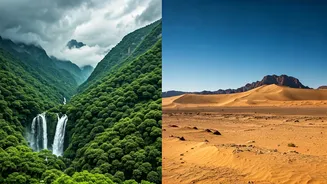
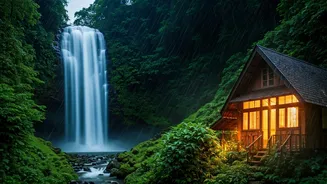
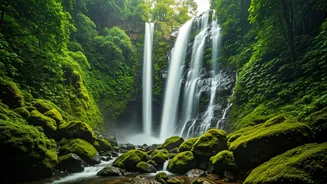
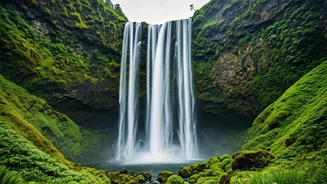
While a sunny day is nice, the monsoon transforms the Indian landscape into something spectacular. The parched, dusty browns of summer give way to an almost impossibly vibrant palette of greens. Hills and mountainsides in places like the Western Ghats (near Mumbai and Pune) or the Aravalli Range in Rajasthan become carpeted in lush vegetation, with waterfalls cascading down cliffs that were bone-dry just weeks before. The backwaters of Kerala become even more mystical, shrouded in mist. Even the cities feel washed clean. For couples who appreciate natural beauty, the monsoon offers a dramatic, photogenic backdrop that feels more alive and dynamic than the static sunshine of the dry season. It’s a chance to see the country at its most verdant and rejuvenated.
4. Fewer Crowds and More Intimacy
Popular tourist destinations in India can get incredibly crowded during peak season. Beaches, forts, and viewpoints are often swarmed with people, making it hard to find a quiet moment. The monsoon, however, acts as a natural filter. With fewer tourists around, destinations feel more private and serene. A couple can walk along an empty beach in Goa, explore ancient ruins in Hampi without jostling for space, or enjoy a cup of tea on a hotel balcony overlooking a misty valley in near-total silence. For a honeymoon, where the goal is to connect and spend quality time together, this feeling of having a beautiful place almost to yourselves is the ultimate luxury, and it's something the off-season readily provides.
5. It’s a Unique Sensory Experience
Beyond the sights, a monsoon trip is about a full-body experience. It’s about curling up with a book while the rain patters outside, getting a traditional Ayurvedic massage (believed to be more effective when the climate is humid and pores are open), or taking a long drive through the misty hills with the windows down. It’s an opportunity to slow down. Instead of a packed itinerary of sightseeing, the goal becomes enjoying the atmosphere. This slower pace encourages couples to simply be with each other. The weather itself becomes the main attraction, inviting a cozy, introspective, and deeply romantic experience that a packed, sun-filled schedule might not allow for.