





The Old Guard of Breakfast
To understand the revolution, you first have to appreciate what’s being replaced. Across India, the traditional first meal of the day is a diverse and beloved affair. In the south, it might be fluffy idlis (steamed rice cakes) and crispy dosas (lentil
crepes). In the west, you'll find poha (flattened rice) and in the north, parathas (stuffed flatbreads). While delicious, nutritious, and deeply cultural, these meals are predominantly carb-centric. For centuries, this was perfectly suited to a lifestyle that was often more agrarian and physically demanding in different ways. These breakfasts provided quick, accessible energy. They are also time-consuming to prepare from scratch, a ritual often helmed by mothers and grandmothers in multigenerational households—a household structure that is itself changing.
The Rise of Wellness Culture
The single biggest driver of the protein push is a new, Western-inflected wellness consciousness sweeping urban India. Fueled by social media, access to global fitness trends, and a growing gym culture, young Indians are more body-conscious and nutritionally literate than any generation before them. The conversation has moved from simple satiety to specific macronutrient goals. Protein is no longer just for bodybuilders; it’s marketed as the key to a “fitter” lifestyle, aiding in weight management, muscle development, and sustained energy without the post-carb crash. Instagram influencers showcasing toned physiques and protein-shake selfies have a powerful impact, creating an aspirational link between protein consumption and a modern, healthy, successful identity. This isn't just about health; it's about signaling a certain kind of upwardly mobile, globally-aware lifestyle.
The Need for Speed
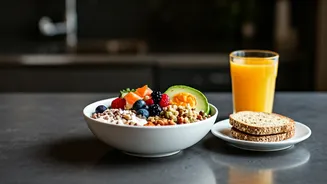
The leisurely, home-cooked breakfast is becoming a casualty of modern urban life. Young professionals in bustling cities like Mumbai, Bangalore, and Delhi are facing long commutes, demanding work schedules, and a nuclear family structure. There is simply no time to prepare, or even sit down for, an elaborate traditional meal. This is where protein-centric breakfasts win on convenience. A protein bar, a ready-to-drink shake, a scoop of whey in a shaker bottle, or a bowl of protein-fortified oats can be prepared and consumed in minutes. This “grab-and-go” culture, long a staple in the West, has found fertile ground in India’s fast-paced corporate corridors. Convenience isn't a luxury anymore; it's a necessity, and protein-based products are filling that need perfectly.
The Market Rushes In
Where there's demand, a market materializes. And in India, it has materialized with incredible speed. A new wave of direct-to-consumer (D2C) startups and established food giants are blanketing the market with options. Brands like The Whole Truth, Yoga Bar, and Kapiva are offering everything from protein bars and breakfast muesli to protein-enriched peanut butter. Even traditional products are getting a protein makeover. You can now find “protein idli” mix and high-protein versions of dosa batter. Global giants like Nestlé and Danone are also heavily invested, recognizing the enormous potential of a market with over 600 million people under the age of 25. This explosion of choice and aggressive marketing has made protein not just accessible, but a prominent fixture on supermarket shelves and e-commerce apps.