


The Journey from Niche to Necessary
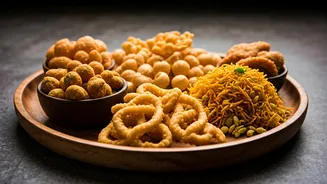
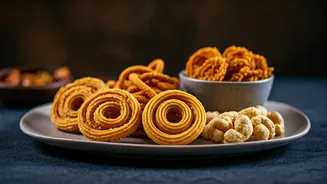
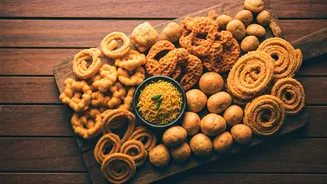
For decades, if you wanted a bag of authentic chakli (a crunchy, spiced spiral of rice flour) or some savory chivda (a classic snack mix), your options were limited. You either had to make them at home, know someone who did, or make a dedicated trip to a specialty
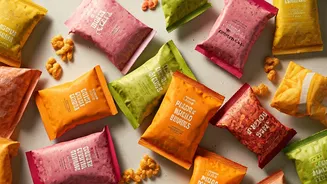
Indian grocery store. These snacks were part of a vibrant culinary world, but one that existed largely outside the mainstream American palate. They were a taste of home for the diaspora, not a go-to for the average snacker. That’s all changing. Suddenly, puffed water lily seeds (makhana) are being touted as the new popcorn. Turmeric-dusted cashews are appearing in curated gift boxes. A new wave of entrepreneurs, many of them second-generation Indian Americans, are building brands that honor traditional recipes while packaging them for a modern, curious consumer. What was once a niche treat is now becoming a necessary part of the new American pantry.
More Than Just Nostalgia
It’s easy to assume this trend is fueled by simple nostalgia, a longing for the flavors of childhood. While that’s part of the story, it’s far from the whole picture. The real engine of this movement is reinterpretation and pride. Second-generation founders aren’t just recreating what their parents and grandparents made; they’re innovating. They’re launching direct-to-consumer websites, designing beautiful, shelf-ready packaging, and experimenting with new flavor profiles that bridge cultures—think peri-peri makhana or masala-lime chickpeas. This isn't about assimilation; it's about confident contribution. Instead of changing the snacks to fit America, these brands are betting that America is finally ready for the snacks as they are: bold, complex, and unapologetically flavorful. They are telling a story of cultural pride, inviting everyone to the table rather than waiting for an invitation.
Meet the New Snack Stars
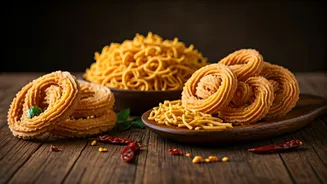
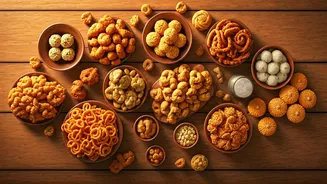
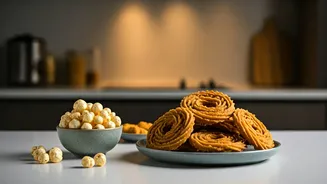
If you’re ready to dive in, a few key players are leading the charge. First, there’s **makhana**. These puffed seeds of the water lily plant are light, airy, and have a texture somewhere between popcorn and a cheese puff. Roasted and seasoned, they become an addictive, low-calorie snack. Then there’s **murukku**, also known as **chakli**. This savory, brittle spiral is typically made from rice and lentil flour, seasoned with things like cumin, sesame, and ajwain. Its intricate shape and deep, satisfying crunch are iconic. Finally, you have modern takes on **chivda** and other snack mixes, often called Bombay Mix. These are glorious medleys of textures and flavors, combining fried lentils, peanuts, crispy chickpea flour noodles (sev), and puffed rice with a signature blend of spices that can be sweet, spicy, and tangy all at once.
The Social Media and Wellness Effect
Two major cultural forces are pouring fuel on this fire: wellness and social media. In a world where consumers are increasingly scrutinizing ingredient lists, many Indian snacks offer a compelling alternative to their ultra-processed counterparts. Makhana is rich in minerals and low in fat. Snacks based on lentils and chickpeas are packed with protein and fiber. Many traditional preparations are naturally gluten-free and vegan, ticking all the boxes for the modern health-conscious shopper. At the same time, platforms like TikTok and Instagram have made these foods photogenic and discoverable. A colorful bowl of chivda or a slow-motion video of someone breaking a crispy murukku can go viral, introducing these snacks to millions who have never set foot in an Indian market. The visual appeal, combined with the story of cultural heritage, creates a powerful and shareable narrative that legacy brands can only dream of.