




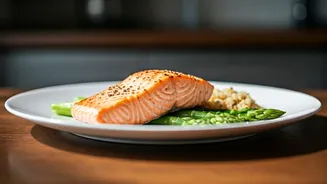


The Unique Chaos of Summer Eating
Unlike the structured rhythm of the school year or the office grind, summer operates on its own time. Vacations, road trips, backyard barbecues, and kids’ camp schedules throw our internal clocks for a loop. One day you’re grabbing a late-night ice cream
cone after a concert, and the next you’re skipping lunch entirely during a long day at the beach. This unstructured grazing and unpredictable meal timing can seem liberating, but it often leads to a cycle of energy crashes, irritability (or “hanger”), and overeating. While the impulse is to embrace spontaneity, our bodies are creatures of habit that thrive on predictability, especially when it comes to fuel.
The Science of Stability
The core benefit of eating at regular intervals—say, every three to five hours—is blood sugar stability. When you eat a balanced meal, your body breaks down carbohydrates into glucose, which enters your bloodstream to be used for energy. Consistent meals provide a steady supply of glucose, preventing the dramatic spikes and crashes that disrupt your energy and mood. A sudden drop in blood sugar can leave you feeling tired, foggy, and craving sugary, high-calorie foods for a quick fix. By keeping your blood sugar stable, you’re not just avoiding a mid-afternoon slump; you’re supporting better concentration, a more even-keeled mood, and sustained energy to actually enjoy all those summer activities you’ve been looking forward to.
Smarter Than a Crash Diet
Each spring, we’re bombarded with messages about getting “beach body ready,” often promoting restrictive diets, punishing workout routines, or quick-fix cleanses. The habit of eating steady meals is the smarter, more sustainable alternative. Crash diets often rely on severe calorie restriction, which can backfire by slowing your metabolism and leading to nutrient deficiencies. They create a scarcity mindset that can trigger binge eating later. In contrast, focusing on regular, balanced meals builds a foundation of health. It’s an approach centered on nourishment, not deprivation. It teaches you to work with your body’s natural hunger cues rather than fighting against them, making it a habit that can last well beyond a single season.
How to Build a Steady Routine
Adopting this habit doesn't mean a rigid, fun-killing schedule. It’s about creating a flexible framework. Start with a “bookend” approach: prioritize a protein-rich breakfast within an hour or two of waking and a satisfying dinner. This anchors your day. For the time in between, think about proactive snacking. Instead of waiting until you’re ravenous at the pool, pack portable, balanced snacks that include protein, fiber, and healthy fats—like an apple with peanut butter, a handful of almonds, or a Greek yogurt cup. If you know a barbecue or party will feature a late dinner, have a substantial snack in the late afternoon to prevent you from arriving starving and overindulging on chips before the main event.
Hydration Is Part of the Equation
In the summer heat, it’s easy to mistake thirst for hunger. Dehydration can cause symptoms like fatigue, headache, and dizziness, which can mimic the feeling of a blood sugar crash and lead you to reach for food when what your body really needs is water. Make hydration a key part of your steady meal habit. Keep a water bottle with you at all times, and incorporate hydrating foods like watermelon, cucumber, and berries into your meals and snacks. By staying properly hydrated, you’ll have a clearer sense of your true hunger signals, making it easier to maintain a consistent and satisfying eating pattern.