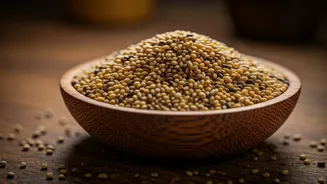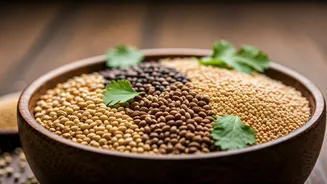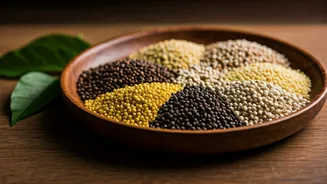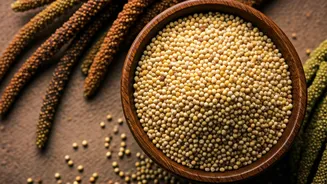

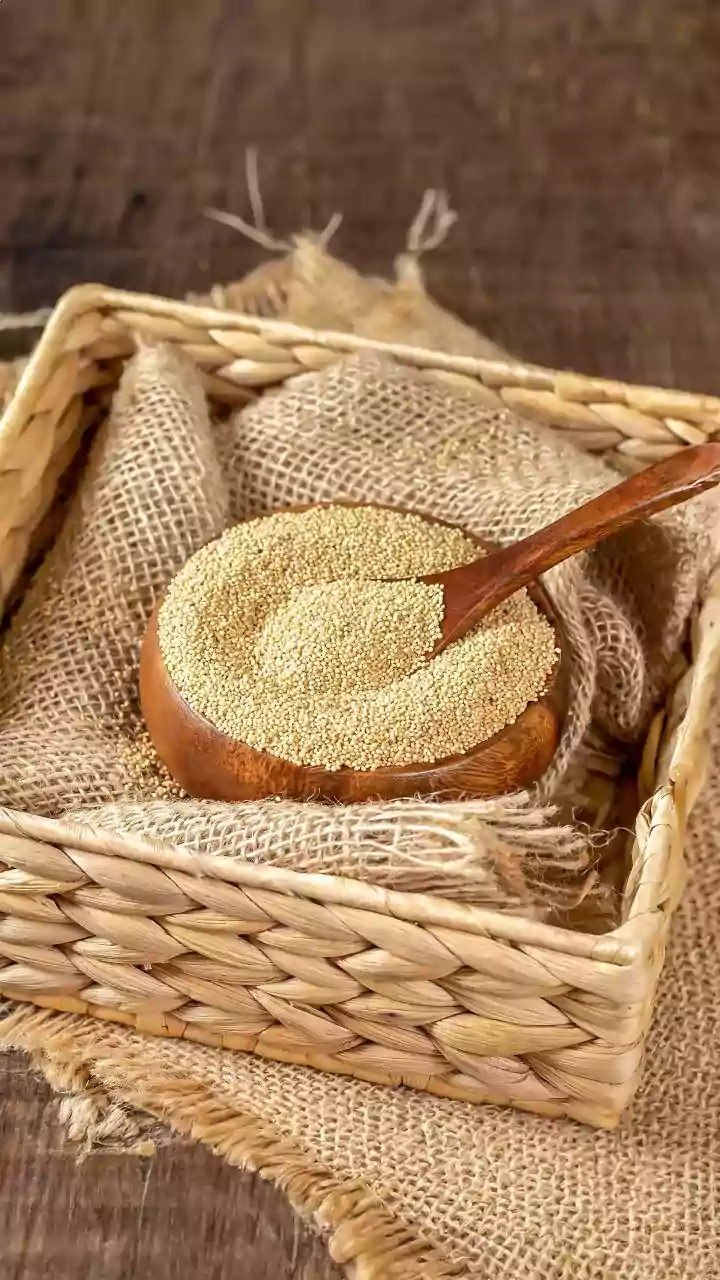


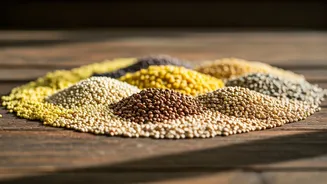
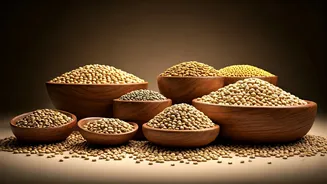
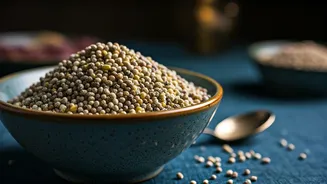
First Off, What Are Millets?
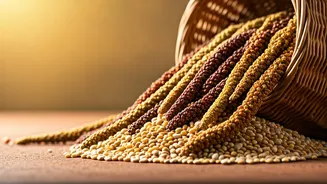
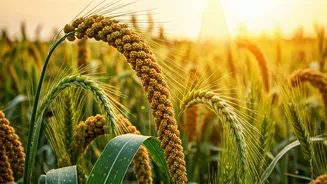
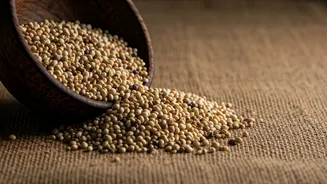
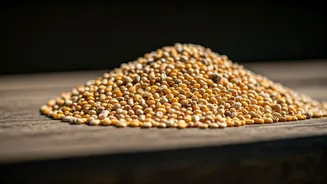
For many Americans, the word “millet” might conjure up an image of birdseed. But in much of the world, millets are a diverse and vital group of small-seeded grasses that have been cultivated for thousands of years. They aren’t one single thing, but a category
of grains that includes sorghum (jowar), pearl millet (bajra), finger millet (ragi), and foxtail millet. For centuries, these were staple foods across India—hardy, nutritious, and deeply woven into regional cuisines. But with the agricultural Green Revolution of the 1960s, government policies and consumer habits shifted dramatically toward high-yield wheat and rice, pushing millets to the margins. They became seen as “poor man’s food,” associated with rural or lean times. Now, a powerful combination of forces is reversing that narrative in a big way.
The Government’s Big Push
This revival isn’t a quiet, grassroots trend; it’s a full-throated national campaign championed at the highest levels. Indian Prime Minister Narendra Modi has personally become the movement’s biggest advocate. His government successfully lobbied the United Nations to declare 2023 the “International Year of Millets,” turning a domestic priority into a global conversation. Why the sudden, intense focus? It’s a strategic solution to several of India’s most pressing problems. The government is promoting millets to boost farmer incomes (especially for those in dry, arid regions), improve national food security by diversifying crops, and tackle public health issues like diabetes and malnutrition. Parliament canteen menus have been updated with millet dishes, and government-sponsored food festivals celebrate the grains. It’s a rare example of a top-down policy initiative that is rapidly reshaping what a nation eats.
A Climate and Health Double-Whammy
The timing for this millet renaissance couldn’t be better. From a climate perspective, millets are what agricultural experts call “climate-smart crops.” They are incredibly resilient, requiring far less water than rice or wheat—a massive advantage in a country facing increasing water scarcity and unpredictable monsoons. They can grow in poor soil with minimal need for fertilizers or pesticides, making them a more sustainable and low-cost option for farmers. On the health front, millets check all the boxes for the modern wellness-conscious consumer. They are naturally gluten-free, high in fiber, packed with protein, and rich in essential minerals like magnesium and iron. With a low glycemic index, they release sugar into the bloodstream slowly, making them an excellent choice for managing blood sugar levels—a critical benefit in a country with a growing diabetes epidemic.
From Old Staple to New 'Superfood'
A government campaign can only go so far if the food itself isn’t desirable. The real proof of the trend’s staying power is how Indian chefs, entrepreneurs, and home cooks are embracing it. Millets are shedding their rustic image and appearing in everything from five-star restaurant tasting menus to everyday consumer products. You can now find millet-based pasta, noodles, cookies, and breakfast cereals in Indian supermarkets. Trendy cafes in Mumbai and Bangalore serve ragi-flour brownies and millet-crepe dosas. Chefs are using puffed sorghum as a crunchy topping and substituting millet flour in everything from pizza crusts to bread. By innovating and adapting the grains to modern tastes, the food industry is making millets cool again, ensuring they’re seen not as a historical artifact, but as a versatile, delicious ingredient for the 21st century.