


The Allure of the Off-Season
Why would anyone willingly book a trip to the tropics during the rainy season or the American Southwest during its summer deluges? The answer is simple: value and serenity. The same luxury resort that costs a fortune in peak season can be surprisingly
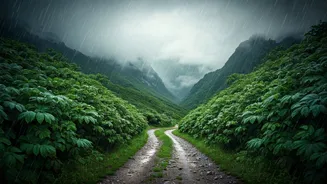
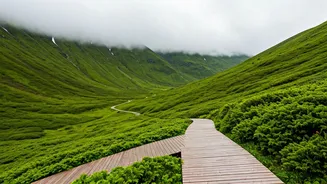
affordable during the monsoon. The swarming crowds that choke popular attractions thin out, leaving you with a more authentic and personal experience. Landscapes, parched during the dry months, explode into a vibrant, almost surreal green. For photographers and nature lovers, the dramatic skies, rolling mists, and thunderous downpours offer a beauty all their own. This isn’t a vacation for someone who needs eight hours of uninterrupted sunbathing every day. It’s for the traveler who craves atmosphere, authenticity, and a little breathing room—both for themselves and their wallet.
Your New Weather Arsenal
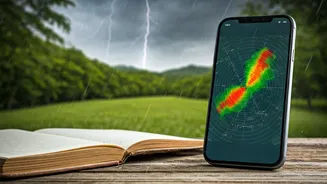
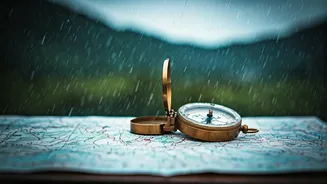
This new travel style is powered by technology. The “forecast game” is won by those who upgrade their weather-watching tools. Your phone’s default weather app is a starting point, but it's not enough for strategic planning. Serious players use a suite of apps that offer hyper-local, minute-by-minute precipitation forecasts. Apps like Windy.com provide detailed visualizations of wind, rain, and pressure systems, allowing you to see a storm front moving in on a map. Services like Dark Sky (now integrated into Apple Weather) pioneered alerts that tell you “light rain starting in 15 minutes.” This level of granular detail transforms your planning. Instead of canceling a whole day, you can plan a museum visit for the two-hour window when a storm is predicted or set out on a hike knowing you have a clear three-hour opening. You’re not just checking the weather; you’re tracking it like an opponent.
Know the Rules: Regional Rundowns
A monsoon isn’t a monolith. The experience varies wildly depending on where you are. In Southeast Asia (think Thailand or Vietnam), the monsoon often means a predictable, intense downpour for a few hours in the afternoon, leaving the rest of the day clear and refreshed. It’s a rhythm you can plan around. In contrast, India’s monsoon can bring days of continuous rain and significant flooding in some areas, requiring much more caution. Closer to home, the North American Monsoon, which affects states like Arizona and New Mexico, is characterized by spectacular but often brief and localized afternoon thunderstorms. These storms can cause flash floods in canyons—a serious danger for hikers—but also create stunning light shows. Before you book, do your research. Understand the specific pattern of the region you’re visiting. Is it a brief daily affair or a week-long washout? Knowing the local “rules” is essential.
The Art of the Pivot
The single most important skill in monsoon travel is flexibility. The forecast is your guide, not your gospel. A perfectly planned beach day can get rained out, and that’s okay if you have a Plan B (and C). This is where you shift from tourist to traveler. A rainy afternoon is a perfect excuse to sign up for a local cooking class, indulge in a long spa treatment, explore an indoor market, or simply find a cozy café with a good book and watch the storm roll in. The best monsoon trips are built with this flexibility in mind. Don’t pack your itinerary from dawn to dusk with outdoor activities. Instead, build in buffer time. Think of your trip in terms of “sun activities” and “rain activities,” and be ready to swap them at a moment’s notice based on your weather app’s latest alert. This mindset turns a potential disruption into a planned part of the adventure.
Pack for Victory
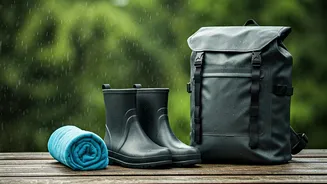
Your suitcase is your game kit, and packing correctly is non-negotiable. Forget the flimsy hotel umbrella. A high-quality, wind-resistant raincoat is your most important piece of gear. Prioritize quick-drying fabrics for your clothes; humidity can make cotton feel damp for days. Footwear is critical: a pair of waterproof trail shoes or sturdy sandals designed for wet conditions (like Tevas or Chacos) will serve you far better than flip-flops or sneakers that will get waterlogged. And in the digital age, protecting your tech is paramount. Invest in a waterproof daypack or at least a few dry bags for your phone, camera, and passport. Packing correctly isn't just about comfort; it's about empowerment. It means a sudden downpour is a minor event you’re prepared for, not a disaster that sends you running for cover.