
1. Walk Across Living Bridges
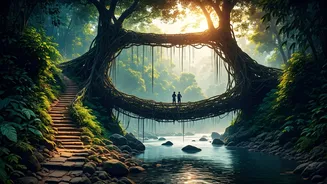
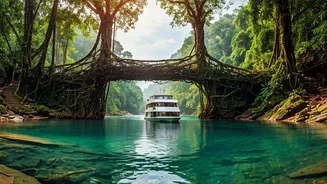
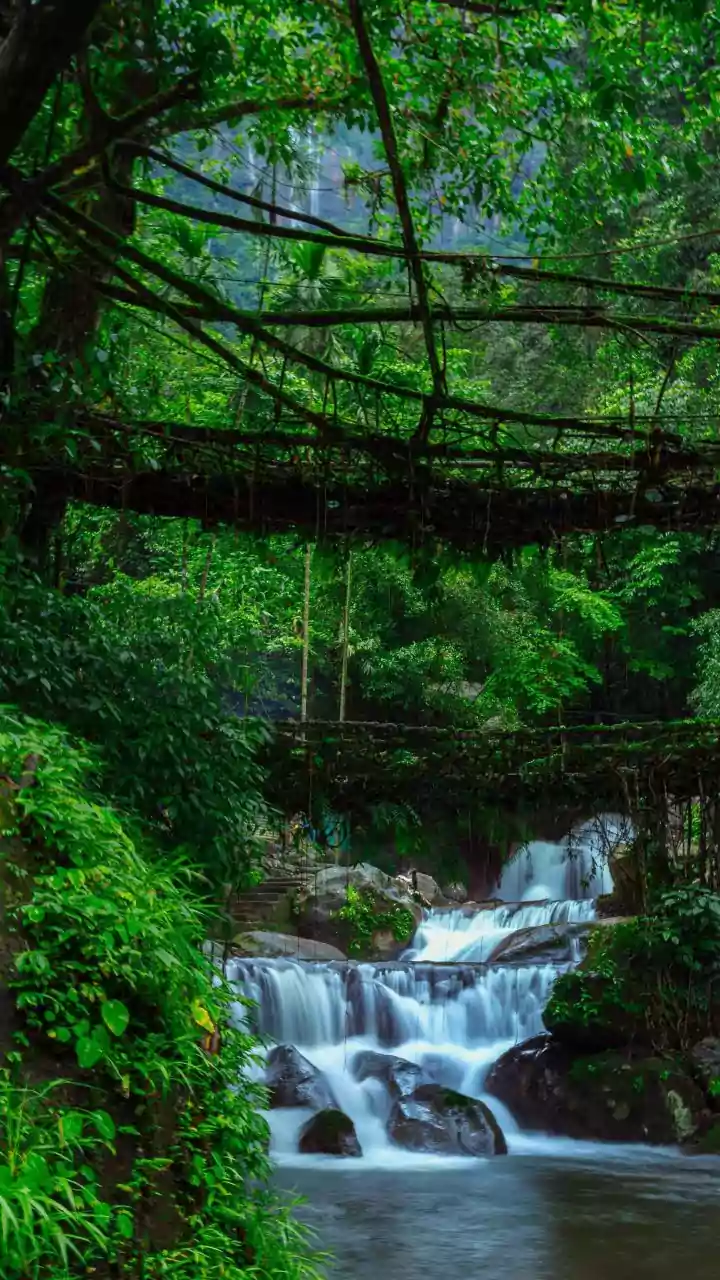
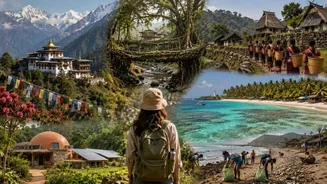
In Meghalaya, one of the wettest places on Earth, the landscape is a constant negotiation between people and nature. Here, the local Khasi and Jaintia peoples don’t build bridges—they grow them. For centuries, they have guided the aerial roots of rubber
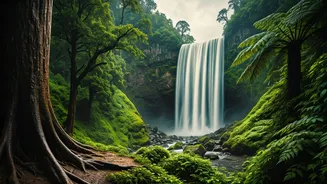
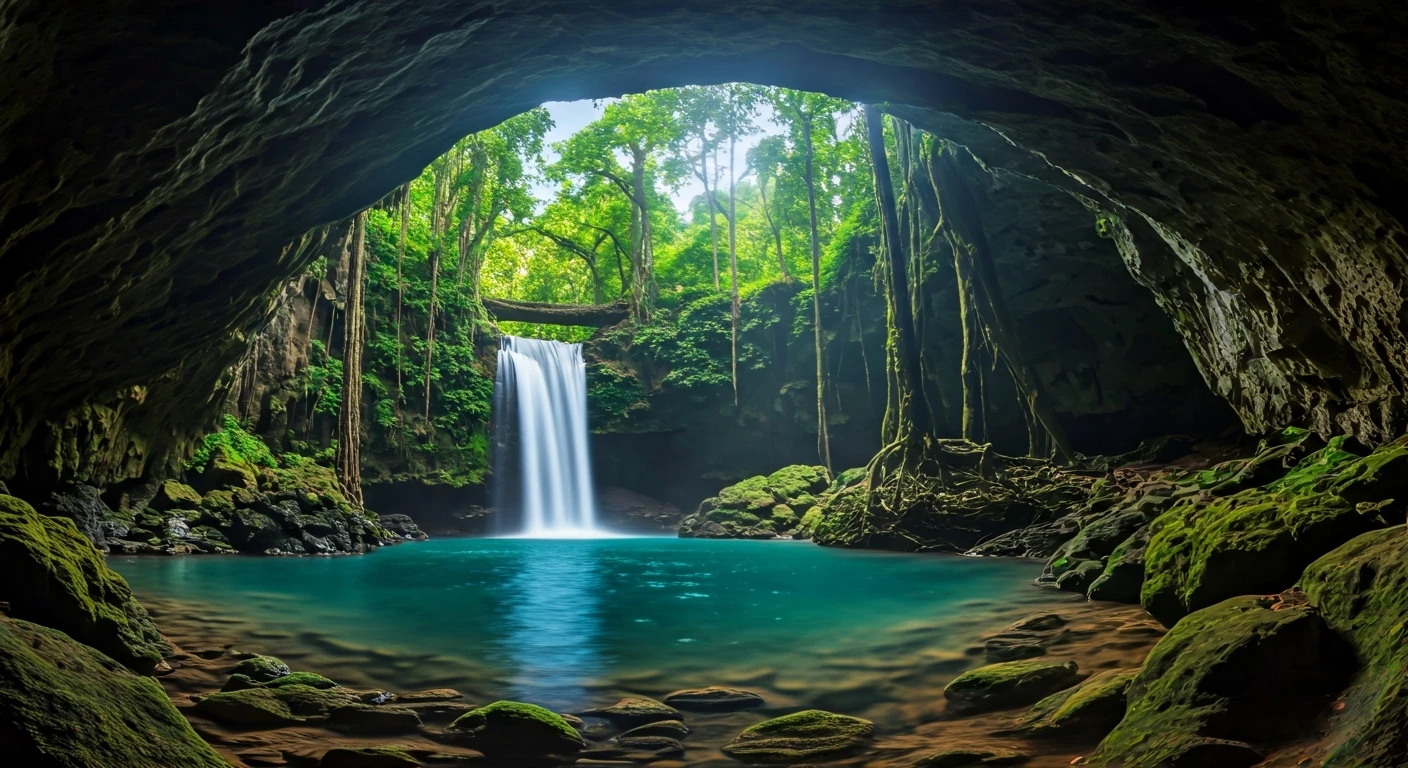
fig trees across rivers and gorges, weaving them into living, breathing structures that strengthen over time. The most famous of these, the Double Decker Living Root Bridge in Nongriat, is a stunning feat of bio-engineering that feels straight out of a fantasy novel. Reaching it requires a steep but rewarding trek through jungle villages and past turquoise waterfalls. It’s an experience that’s less about sightseeing and more about witnessing a profound, generations-old harmony with the environment.
2. Encounter Rhinos and Tea Fields
The state of Assam is the gateway to the Northeast and offers two of India’s most iconic experiences in one place. First, there’s the tea. This is the home of the strong, malty Assam black tea beloved worldwide, and the landscape is carpeted with meticulously manicured plantations as far as the eye can see. Many historic tea estates have opened their colonial-era bungalows to visitors, offering a taste of a bygone era. Just a short drive away is Kaziranga National Park, a UNESCO World Heritage site and the world’s most important stronghold for the greater one-horned rhinoceros. A morning safari here, with mist rising off the grasslands as these armored giants graze peacefully, is an unforgettable wildlife encounter that feels worlds away from India’s bustling cities.
3. Immerse Yourself in Tribal Festivals
Northeast India is one of the most culturally diverse regions on the planet, home to hundreds of distinct indigenous tribes, each with its own language, dress, and traditions. While this diversity is present everywhere, it’s most accessible in Nagaland. Once feared for its headhunting tribes, Nagaland is now known for its warmth and spectacular festivals. The most famous is the Hornbill Festival, held every December. Billed as the “Festival of Festivals,” it brings together more than a dozen Naga tribes to showcase their music, dance, food, and crafts. It’s a vibrant, sometimes overwhelming, spectacle of log drums, colorful beadwork, and warrior traditions—a rare window into ancient cultures that are actively fighting to preserve their heritage in the modern world.
4. Find Serenity in the High Himalayas
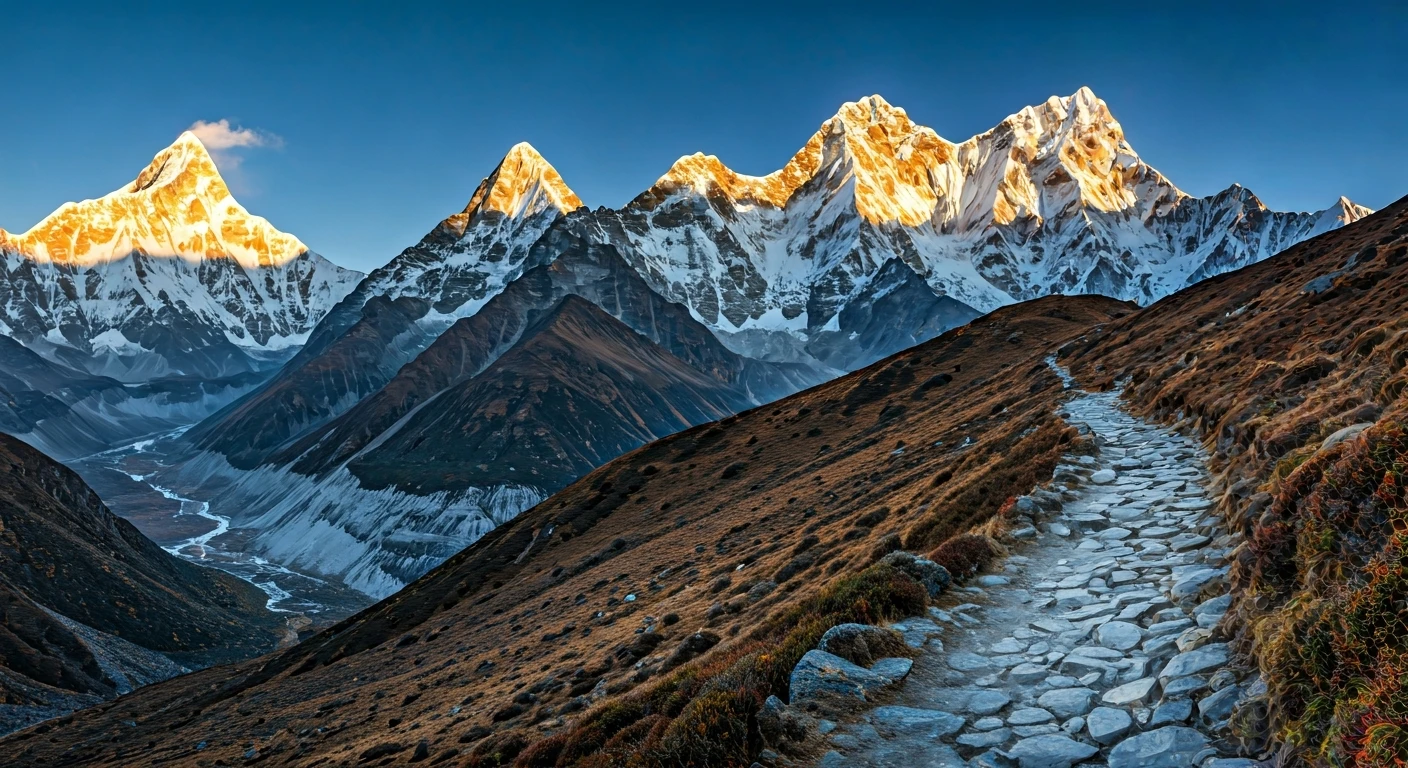
Bordering Tibet and Nepal, the former kingdom of Sikkim is a different world altogether. This peaceful Himalayan state is predominantly Buddhist, and its mountain ridges are dotted with serene monasteries and fluttering prayer flags. While travelers flock to Nepal for Himalayan views, Sikkim offers breathtaking panoramas of Mount Kanchenjunga—the world’s third-highest peak—without the Everest-level crowds. Known for its cleanliness, ban on plastic bags, and pioneering organic farming policies, Sikkim is a haven for trekkers, meditators, and anyone looking to reconnect with nature. From the stunning cliffside perch of the Rumtek Monastery to the blooming rhododendron forests of the Yumthang Valley, it’s a place that calms the soul.
5. Embrace the Spirit of Adventure
A trip to Northeast India isn’t always as seamless as one to more developed tourist regions, and that’s a core part of its appeal. The infrastructure is improving, but journeys can be long, roads can be bumpy, and some states, like Arunachal Pradesh, require special permits for foreign visitors. But for the modern traveler tired of cookie-cutter itineraries, these hurdles are features, not bugs. This is true adventure travel—the kind that requires flexibility, patience, and an open mind. The reward is a trip that feels earned and experiences that are utterly unique, shared with few other tourists and a population known for its incredible hospitality.