
Meet the Bean of the Moment
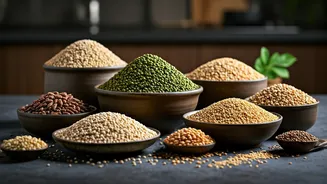
Mention fava beans, and an American foodie might picture a bright green spring salad or a creamy Italian pasta. For decades, Indian cuisine has been globally synonymous with lentils (dal), chickpeas (chana), and kidney beans (rajma). But in the test kitchens
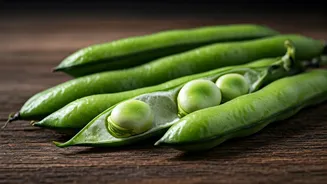
of modern Indian restaurants and the feeds of adventurous home cooks, the fava bean is quietly staging a comeback. Known for its distinct, buttery texture and slightly nutty, sweet flavor, this legume offers a different kind of creaminess than its pantry-staple cousins. When cooked, fava beans have a satisfyingly tender bite that holds its shape, making them a versatile player that can star in a dish without dissolving into the background.
A Forgotten History in India
While it might seem like a novel trend, the fava bean, known as 'bakla' in Hindi and by other regional names, isn't entirely new to the subcontinent. It has a history as a seasonal, rustic vegetable, particularly in parts of northern India like Uttar Pradesh. However, it was never a mainstream staple. Often considered a poor man's food or a simple countryside crop, it was overshadowed by more prolific and easily stored legumes. For many urban Indians, 'bakla' was something their grandparents might have eaten, but it rarely appeared on city menus or in modern cookbooks. This perception as a humble, almost-forgotten ingredient is precisely what makes its current revival so compelling; it’s a culinary treasure hiding in plain sight.
The Modern Culinary Revival
So why now? The fava bean’s resurgence is part of a larger movement in contemporary Indian cuisine. Chefs are increasingly looking to celebrate hyper-local, seasonal, and heirloom ingredients. The fava bean fits perfectly into this philosophy. Its vibrant green color and fresh flavor align with a growing desire for lighter, more vegetable-forward Indian food. Furthermore, as a protein-packed powerhouse, it appeals to health-conscious diners. Innovative chefs in Delhi, Mumbai, and even in diaspora hubs like London and New York are re-evaluating its potential. They’re applying modern techniques to this traditional bean, proving it can be just as sophisticated as any European import. It’s a way to innovate while still being rooted in the agricultural history of the region.
From Simple Sabzi to Gourmet Plates
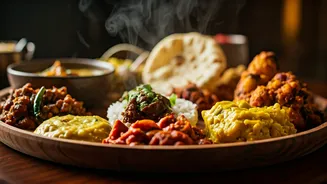
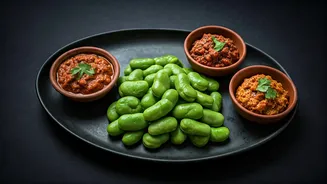
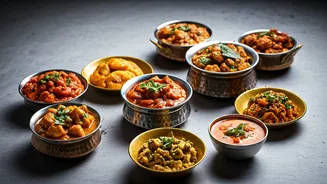
The new wave of fava bean dishes goes far beyond a simple stir-fry (sabzi). Chefs are peeling them twice—once from the pod and a second time to remove the tough outer skin of each bean—to reveal the brilliantly green, ultra-tender jewel inside. This double-peeled bean, often called a 'naked' fava, is being used in exciting ways. You might find it in a creamy 'korma' where its buttery texture complements the nutty sauce, or folded into a modern 'khichdi' (a rice and lentil porridge) for added texture and protein. Some chefs are charring the pods and serving them whole as an appetizer, inspired by Japanese edamame. Others are blending them into vibrant green dips, similar to hummus but with a uniquely fresh, spring-like flavor, served alongside crispy naan or poppadoms.
Trying the Trend at Home
Curious to experiment? The good news is that fava beans are accessible. In the spring, you can find fresh pods at farmers' markets and specialty grocery stores. The rest of the year, look for frozen (often already peeled), canned, or dried fava beans in the international aisle. If you’re starting with fresh pods, be prepared for a little work. The double-peeling process is meditative for some, tedious for others, but the reward is a far superior taste and texture. A simple way to start is by blanching the peeled beans and tossing them with olive oil, chaat masala, lemon juice, and fresh cilantro for a quick, delicious salad. Or, substitute them for chickpeas in your favorite chana masala recipe for a buttery, fresh twist on a classic.