

What Is ‘Fibre-Forward’ Eating?
Forget dusty boxes of bran flakes or chalky supplements. In the Indian context, “fibre-forward” isn’t about artificially adding fiber to processed foods. Instead, it’s a conscious return to the nation’s rich agricultural and culinary heritage, emphasizing
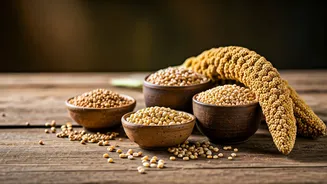
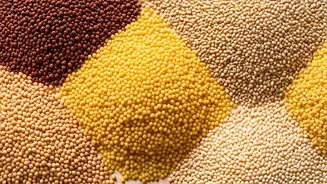
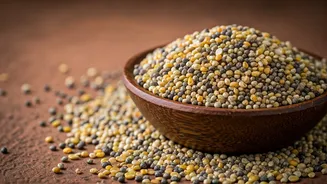
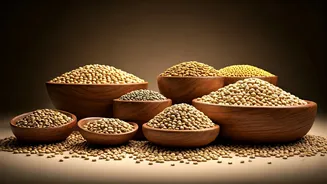
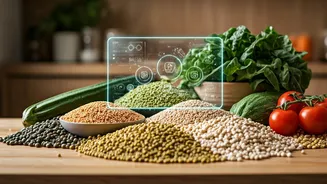
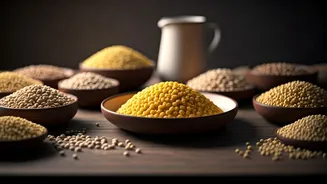
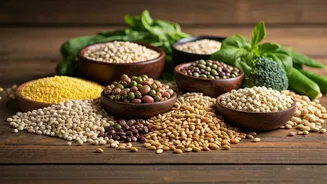
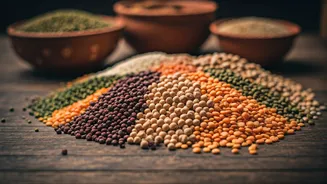
ingredients that are naturally high in dietary fiber. This means centering meals around a diverse array of millets, lentils, legumes, local vegetables, and whole grains that have been staples of the subcontinent for millennia. It’s less a diet and more a culinary philosophy—one that prioritizes whole, unprocessed ingredients and the complex, satisfying flavors they provide. This approach moves beyond the simple carb-loading of refined rice and wheat to embrace a more robust and nutritionally dense plate.
Old Wisdom, New Urgency
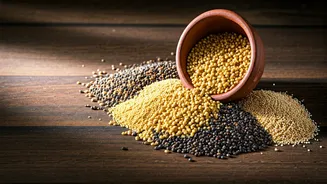
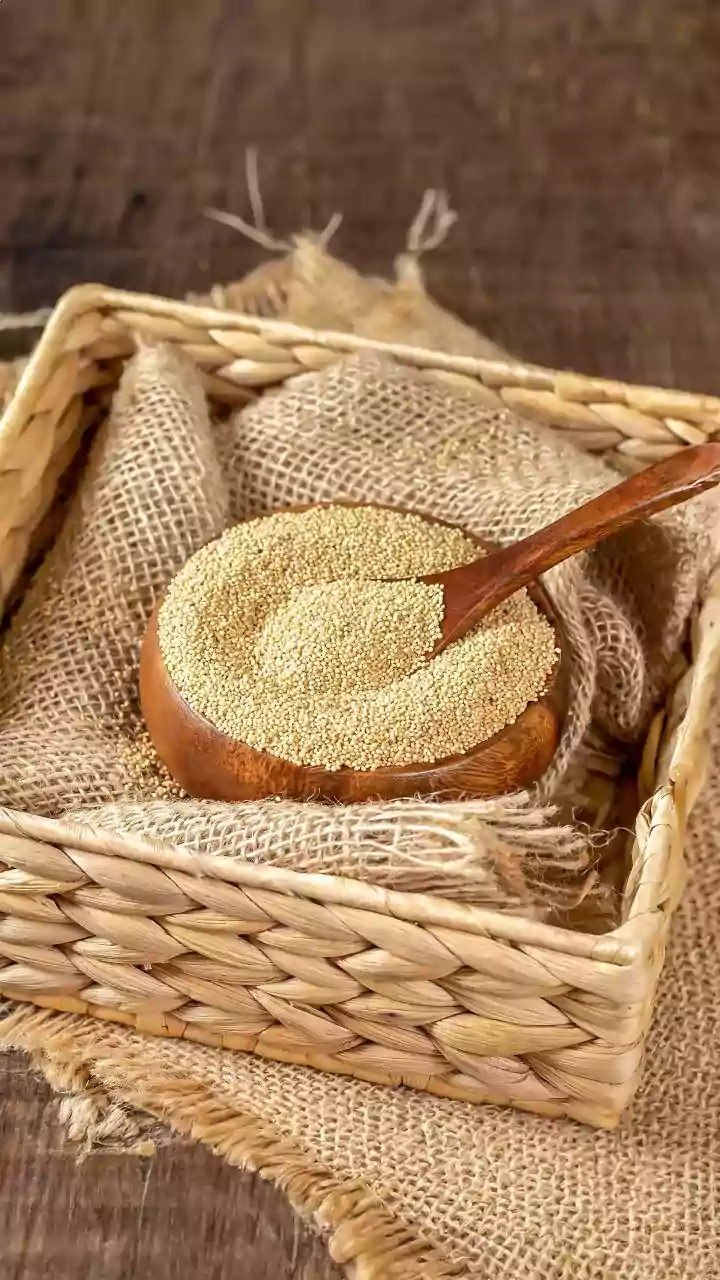
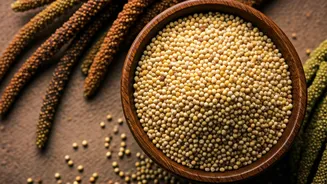
The prediction that this will be a dominant trend by 2026, echoed in prominent industry analyses like the Godrej Food Trends Report, isn’t happening in a vacuum. For years, rapid urbanization and globalization led many in India toward more processed, convenient, and Westernized foods, often at the expense of traditional eating patterns. The fibre-forward movement is a direct response to this shift. It’s driven by a renewed appreciation for ancestral wisdom and a growing public awareness of the health benefits of a high-fiber diet, from improved gut health and digestion to better blood sugar management. This isn’t just about health; it’s also about identity. Championing indigenous grains like ragi (finger millet), jowar (sorghum), and bajra (pearl millet) is a way of reclaiming culinary traditions and supporting local, sustainable agriculture in a food landscape increasingly dominated by a few monoculture crops.
A Look at the Fibre-Forward Plate
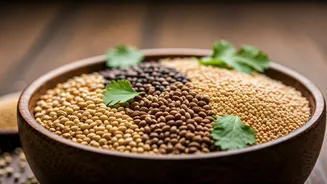
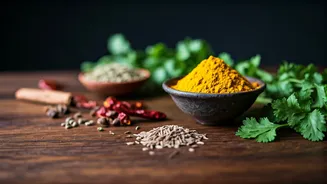
So, what does this trend look like in practice? For an American diner whose experience with Indian food might be limited to creamy curries and fluffy naan bread, the fibre-forward plate is a revelation. Instead of white rice, a meal might feature a savory porridge-like khichdi made with lentils and millet. Instead of plain wheat roti, you might find flatbreads made from nutrient-dense ragi or jowar flour. The focus shifts to the incredible diversity of India’s dals (lentil preparations), with dozens of varieties providing a hearty, fiber-packed base for any meal. Vegetables are not a mere side dish but often the star, showcased in complexly spiced stir-fries (sabzis) or as part of a thali—a platter offering a balanced assortment of different dishes, textures, and flavors. It’s a way of eating that is inherently balanced, satisfying, and deeply flavorful.
Why It Matters in the U.S.
This trend isn’t just an interesting development happening half a world away; it’s a mirror to a conversation we’re already having in the United States. American consumers are increasingly seeking out plant-based options, demanding more from their food than empty calories, and showing a keen interest in gut health. The Indian fibre-forward movement offers a time-tested, delicious blueprint for achieving all of these goals. As this trend solidifies in India, expect its influence to ripple outward. We’re likely to see more of these ancient grains on U.S. grocery shelves, more restaurants highlighting regional Indian cuisines that go beyond the standard Northern Indian fare, and a greater appreciation for the simple, profound wisdom of eating whole foods that have nourished people for centuries.