




The Problem with the Perfect Lawn
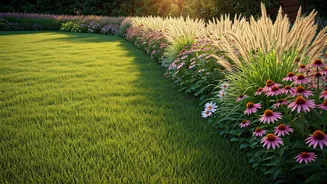
For decades, the ultimate symbol of suburban success was a pristine, emerald-green lawn, free of dandelions and clover. But achieving that sterile perfection comes at a steep ecological cost. Most turf grasses popular in the U.S. are not native to their
regions, creating what scientists call a 'food desert' for local insects and birds. They offer little to no nutritional value or habitat. Worse, maintaining them often requires immense amounts of water, synthetic fertilizers that pollute waterways, and pesticides that can harm pollinators like bees and butterflies. This monoculture landscape, repeated across millions of acres, contributes to a significant loss of biodiversity, turning our yards into decorative voids rather than living ecosystems.
What Does 'Native' Actually Mean?
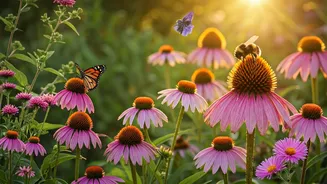
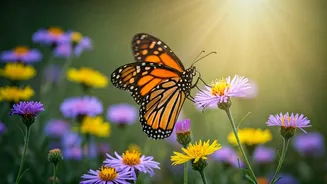
A native plant is one that has evolved over hundreds or thousands of years in a particular region or ecosystem without human introduction. These plants have complex, established relationships with the native wildlife around them. For example, the monarch butterfly caterpillar can only eat milkweed; specific native bees are adapted to forage from the unique shapes of native flowers. Non-native plants, even if they aren't aggressively invasive, often don't provide the right kind of food, shelter, or nesting sites for local fauna. Choosing native species isn't about botanical snobbery; it’s about plugging your garden back into the local food web that has existed for millennia. Think of it as planting with a purpose beyond just aesthetics.
The Powerful Benefits of Going Native
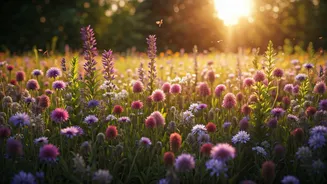
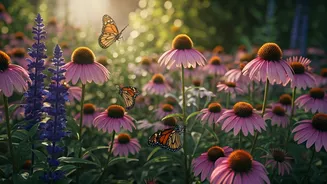
When you choose native species, the rewards extend far beyond your property line. Because these plants are adapted to the local climate and soil conditions, they are naturally hardier and more resilient. This means they typically require far less watering once established, reducing your utility bills and conserving a precious resource. They also thrive without the constant application of chemical fertilizers and pesticides, creating a safer environment for pets, children, and crucial pollinators. By planting even a small patch of native flowers, shrubs, or trees, you are creating a vital pit stop for birds on their migration routes and a nursery for the insects that form the base of the entire food chain. It’s one of the most direct and satisfying ways an individual can take action against habitat loss.
How to Start Your Native Garden
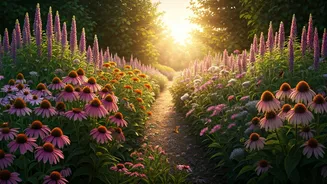
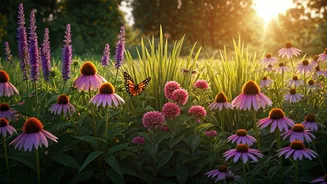
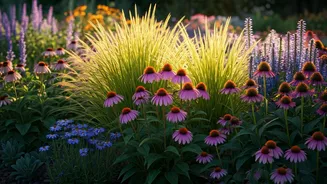
The idea of overhauling your entire yard can be daunting, but you don’t have to do it all at once. Start small. The first step is to identify your region. Organizations like the National Audubon Society and the National Wildlife Federation have online databases where you can enter your zip code to get a list of plants native to your area that benefit wildlife. Begin by replacing a small section of your lawn with native perennials like coneflowers, black-eyed Susans, or local asters. You could also add a native shrub, like a serviceberry or viburnum, which provides flowers in the spring and berries for birds in the fall. Visiting a local native plant nursery is another great way to get expert advice tailored to your specific light and soil conditions. The goal is progress, not perfection.
Rethinking Your Role as a Gardener
Embracing native plants often comes with a fundamental shift in perspective. Instead of being a dominator who imposes perfect order on a landscape, you become a steward who collaborates with nature. This new mindset extends beyond just what you plant. It means being a little more tolerant of imperfection—leaving the leaves on the ground in the fall to provide shelter for overwintering insects, avoiding bug zappers that kill indiscriminately, and seeing a chewed leaf not as a flaw, but as evidence that your garden is successfully feeding wildlife. This approach transforms gardening from a chore into a dynamic, rewarding partnership with the natural world right outside your door.