


Understanding America's Monsoon
When most Americans hear “monsoon,” they think of Southeast Asia’s torrential downpours. But the U.S. has its own version: the North American Monsoon. Typically running from late June through September, this weather pattern brings moisture from the Pacific
Ocean and Gulf of Mexico into the Desert Southwest—primarily Arizona, New Mexico, and parts of Utah, Colorado, and California. Instead of all-day rain, it usually manifests as dramatic, short-lived afternoon thunderstorms. These storms are the key, transforming the landscape and the travel calculus for anyone looking to explore America’s most iconic natural wonders.
The Appeal of Off-Season Pricing
The primary driver of monsoon season deals is simple: heat. Summer is traditionally the off-season for desert destinations like Phoenix, Tucson, and even Sedona. Hotels and resorts, eager to fill rooms during the slower months, roll out their most aggressive deals. You can often find luxury stays for a fraction of their peak winter or spring prices. For example, a high-end Scottsdale resort that commands $800 a night in March might offer rooms for $250 in August, often throwing in dining credits or spa discounts to sweeten the pot. This principle extends to tour operators, vacation rentals, and even airfare, which tends to dip after the initial summer rush in May and June. Your budget for a 3-day trip in peak season might easily cover a 5-day adventure during the monsoon.
Fewer Crowds, More Solitude
The second major perk is the peace and quiet. The same logic that drives down prices also thins out the crowds. Popular hiking trails in places like Saguaro National Park or Red Rock State Park, which can be packed shoulder-to-shoulder in the pleasant spring months, are often blissfully empty. Imagine having a breathtaking sunset viewpoint all to yourself, with no line of cars waiting for a parking spot. This allows for a much more intimate and meditative connection with nature. You can plan your days to beat the heat—an early morning hike, a midday siesta or museum visit, and an evening stroll as the storms clear—and feel like you have the whole desert to yourself.
A Desert Transformed by Rain
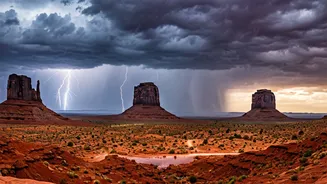
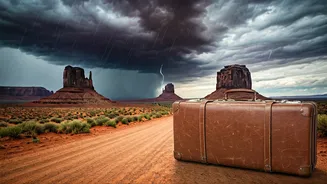
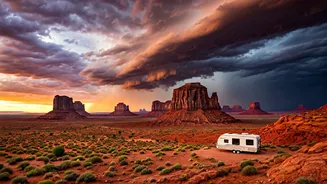
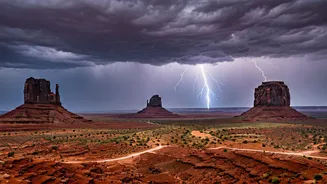
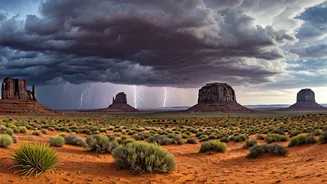
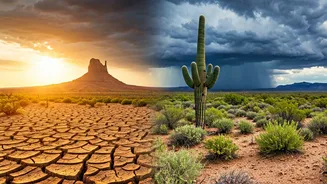
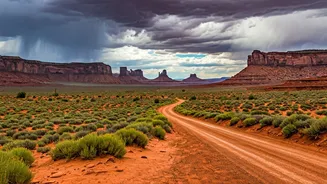
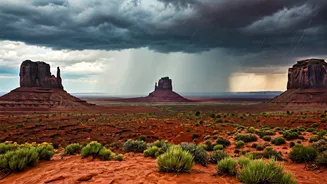
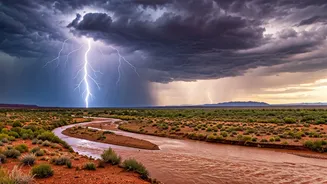
Perhaps the most underrated reason to travel during this season is the sheer beauty. The monsoon brings the desert to life in a way most visitors never see. The parched, brown earth gives way to a surprising carpet of green grasses and vibrant wildflowers. The air, typically bone-dry, becomes thick with the unique, earthy scent of creosote bush after a rainstorm—a smell known as petrichor. The sky puts on a daily show, with fluffy white clouds building into towering, dramatic thunderheads that produce spectacular lightning displays in the distance. Sunsets are supercharged, with dust and moisture in the air painting the clouds in fiery shades of orange, pink, and purple. It's a photographer's dream and a feast for the senses.
Know Before You Go: Monsoon Safety
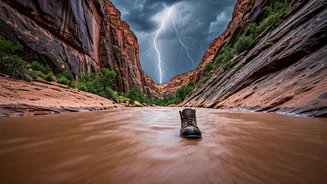
This budget-friendly paradise does come with a few crucial caveats. Monsoon storms are powerful and unpredictable. Flash floods are a very real and serious danger. A sunny canyon can become a raging torrent in minutes from a storm miles away. Never hike or park your car in a dry wash (arroyo) during this season. Always check the weather forecast before heading out, and heed any flash flood warnings from the National Weather Service. Lightning is another significant risk; if you hear thunder, seek shelter immediately and avoid high ground or isolated trees. The best strategy is to embrace the local rhythm: get your outdoor activities done in the morning and be prepared to watch the spectacular storms from a safe, covered location in the afternoon.