




Understanding the Archipelago's Rhythm
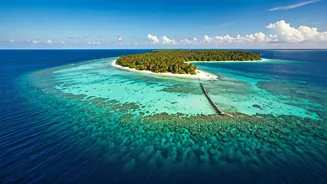
Lakshadweep, an archipelago of 36 islands floating in the Laccadive Sea off the coast of Kerala, India, is a place of breathtaking, fragile beauty. Unlike year-round destinations, its accessibility and enjoyment are dictated almost entirely by the monsoon.
The islands are connected to the mainland and to each other primarily by sea and a limited air service to the island of Agatti. When the weather turns, transportation can grind to a halt, leaving travelers either stranded or unable to reach their destination. This isn't a place for spontaneous, last-minute gambles with nature. Smart planning is the foundation of any successful trip here, transforming a potential logistical headache into the trip of a lifetime.
The Prime Window: October to Mid-May
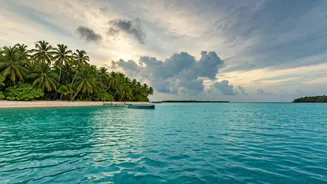
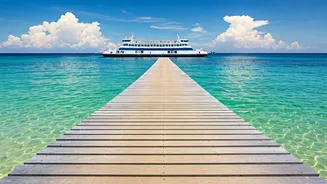
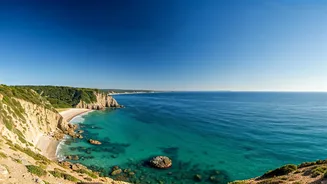
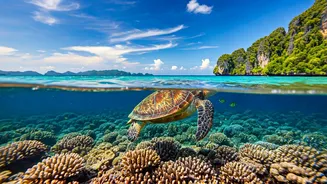
This is the golden period for visiting Lakshadweep. Following the retreat of the heavy monsoon rains, the islands enter a long stretch of sublime tropical weather. From October through mid-May, you can expect clear blue skies, calm seas, and excellent underwater visibility. This is the season when the islands are fully open for business. All water sports—from scuba diving and snorkeling to kayaking and glass-bottom boat tours—are operational. The inter-island ferries and helicopter services run on schedule, allowing you to explore beyond the main entry point of Agatti. The temperature is pleasant, typically hovering between 72°F and 90°F, with gentle sea breezes keeping the humidity in check. If you envision yourself diving among vibrant coral reefs, sunbathing on pristine beaches, and enjoying uninterrupted island life, this is unequivocally the time to book your trip. The downside? This is also peak season, so expect higher prices and the need to book flights, accommodations, and entry permits well in advance.
The Monsoon Gamble: Mid-May to September
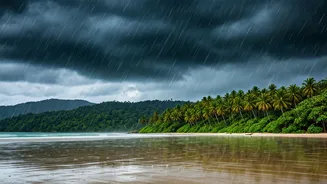
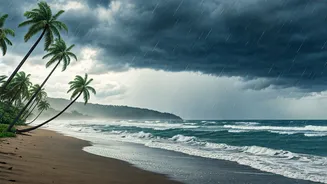
From mid-May, the southwest monsoon begins its dramatic arrival, bringing with it heavy rainfall, high winds, and rough, churning seas. This period, lasting through September, is considered the off-season for a reason. Tourism effectively shuts down. Most private resorts close, and ship-based tourism packages are suspended. Sea transport becomes perilous and unreliable, with most passenger ships and ferries ceasing operations. Even if you could fly into Agatti, you might find it impossible to get to other islands like Bangaram or Kavaratti. The sea is too choppy and murky for diving or snorkeling, and persistent rain would confine you indoors. While the islands take on a lush, green beauty, the logistical challenges and lack of activities make visiting during the monsoon highly inadvisable for tourists. It's a time for the islands to rest and rejuvenate, not for exploration.
Navigating the Shoulder Seasons
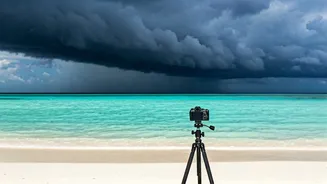
The periods just before and after the main seasons offer a potential sweet spot for some travelers, but they come with risks. Late September and early October mark the transition out of the monsoon. While the rains may have subsided, the seas can still be choppy, and some services may not have fully resumed. The reward, however, is witnessing the archipelago at its most verdant, with fewer crowds. Conversely, late May can offer a few final weeks of calm before the monsoon fully sets in, but it’s a gamble. An early onset of rain could disrupt your plans. If you are considering a shoulder-season trip, flexibility is key. Have backup plans, confirm all services are operational before you book, and be prepared for the possibility of less-than-perfect weather. It’s a trade-off between fewer crowds and a higher degree of uncertainty.
Key Planning Essentials
Regardless of when you go, a trip to Lakshadweep requires some bureaucratic navigation. All visitors, including Indian citizens, need an entry permit. This is typically arranged through your tour operator or the resort where you’ve booked your stay. Flights to Agatti (AGX), the only airport, are limited and can be expensive, so booking early is crucial, especially during peak season. Remember that this is a remote, ecologically sensitive area. Pack light, bring reef-safe sunscreen, and be prepared for a more rustic, nature-focused experience than you might find at other heavily commercialized beach destinations. The beauty of Lakshadweep is its simplicity and pristine nature—a reward best enjoyed when you work with its natural rhythms, not against them.