






More Than Just Being Tired
First, let’s call burnout what it is: not just a case of the Mondays, but a state of profound emotional, physical, and mental exhaustion caused by prolonged stress. It’s the feeling of running on empty, where your cognitive battery is so drained that
focus becomes a struggle and cynicism starts to creep in. Your brain’s “executive functions”—the tools for planning, decision-making, and regulating emotions—are overtaxed. In this state, the thought of planning a complex, week-long vacation can feel like another exhausting task on an already impossible to-do list. The pressure to 'relax perfectly' can paradoxically add more stress, creating a cycle where the very idea of a break feels burdensome. This is precisely why the 'short-haul' trip is so effective; it sidesteps the paralysis of planning and offers restoration without the administrative overhead.
Why Your Brain Loves Green Space
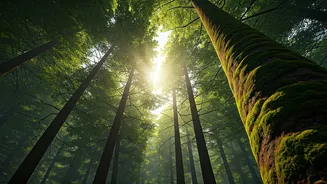
There’s a powerful science behind why nature feels so restorative. Urban environments constantly bombard us with stimuli that require “directed attention”—crossing busy streets, ignoring ads, focusing in a loud office. This mental muscle gets fatigued, leading to that signature brain fog of burnout. Nature, however, engages a different system. The gentle rustling of leaves, the pattern of light through trees, or the sound of a flowing stream captures our attention effortlessly, a phenomenon known as “soft fascination.” This allows our directed-attention muscle to rest and recover. Simultaneously, exposure to natural settings has been shown to lower cortisol, the body’s primary stress hormone. Your blood pressure may drop, your mood can lift, and feelings of anxiety can recede. It’s a physiological reset, not just a mental one.
The Power of the 'Micro-Dose' Vacation
The magic of the short-haul nature trip lies in its accessibility. It’s a low-investment, high-reward strategy. By definition, it’s a trip you can take with minimal planning: a Friday-to-Sunday cabin rental, a day trip to a state park, or even an overnight campout just an hour or two from home. This low logistical barrier is crucial. When you’re burned out, your capacity for complex decision-making is shot. A short trip removes the friction points—no need for extensive packing lists, complex flight bookings, or weeks of advance scheduling. You can often decide on a Thursday to leave on a Friday. This spontaneity is liberating, providing a dose of adventure and escape without the associated stress, making it the perfect tool for someone who needs relief *now*, not in six months.
Redefining Your Getaway
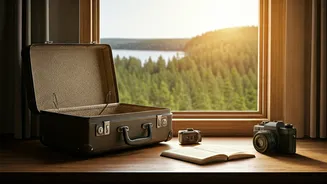
Forget the pressure of an epic, Instagram-worthy expedition. A restorative nature trip is defined by its effect, not its distance or duration. It can be whatever is accessible to you. For some, it’s renting a small A-frame cabin in the woods for two nights. For others, it’s simply driving to the nearest national forest for a long day-hike, packing a lunch, and leaving the phone in the car. It could be a visit to a coastal town to walk along the beach, an afternoon at a botanical garden, or finding a quiet lakeside spot to read a book. The key is to intentionally place yourself in a natural environment and disconnect from the sources of your stress. The goal isn’t to conquer a mountain; it’s to let the quiet, green world restore your peace.
Your Simple Action Plan
Ready to try it? Keep it simple. First, identify a spot within a one-to-three-hour drive that offers trails, trees, or water. State and national parks are obvious choices, but don't overlook local preserves or conservation areas. Second, commit to disconnecting. Let people know you’ll be offline, and then actually do it. The goal is to give your brain a break from the constant ping of digital life. Third, focus on your senses. Instead of trying to 'do' anything, just 'be.' Pay attention to the smell of the damp earth, the feeling of the sun on your skin, and the sounds of the world that aren't man-made. Pack light, bring water and snacks, and release any expectation other than to just wander and breathe. That’s it. That’s the entire plan.