








1. Master Your Gutters and Downspouts
If you do only one thing to prepare your home, make it this. Clogged gutters are the number one cause of rainy-day misery, leading to water seeping into your foundation or walls. The 'easiest' approach is preventative. Twice a year—once in the spring,
once in the late fall—spend 20 minutes clearing leaves and debris. Check that your downspouts are aimed away from your home's foundation, extending them if necessary. A clean gutter system effortlessly channels thousands of gallons of water away from your house, preventing costly damage with minimal, seasonal effort. Think of it as the simple, unsung hero of your home's entire rain defense strategy.
2. Assemble a 'Rainy Day' Go-Bag
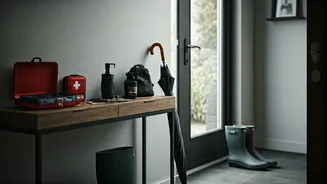
We have go-bags for emergencies, so why not for the guaranteed inconvenience of rain? The idea is to stop the frantic search for your gear. Get a tote bag and designate it your official 'Rain Bag.' Inside, place a sturdy, high-quality umbrella (not the flimsy one that will collapse in the wind), a lightweight waterproof jacket or poncho, and perhaps a spare pair of socks sealed in a plastic bag. For parents, add a few kid-sized ponchos. Keep this bag by your main exit, in your coat closet, or in the trunk of your car. The next time the skies open up, you won't be rummaging through closets; you'll just grab the bag and go, fully prepared.
3. Rain-Proof Your Car in 5 Minutes
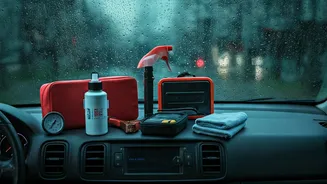
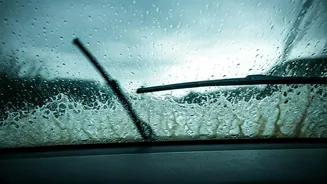
Your car is your mobile shelter, but it's useless if you can't see out of it. The easiest prep here involves your windshield wipers. Once a year, replace the blades. It's a cheap and simple DIY task you can do in any auto parts store parking lot. Next, top off your wiper fluid—ideally with a rain-repellent formula that helps water bead up and roll off the glass. Finally, check your tires. Proper tire pressure and adequate tread are crucial for maintaining grip on wet roads. Use the 'penny test': stick a penny into your tire's tread, Lincoln's head down. If you can see the top of his head, your treads are worn and it's time for new tires. These simple checks prevent the most common rainy-day driving hazards.
4. Designate a 'Landing Zone'
One of the biggest rainy-day annoyances is what happens when you get home: dripping coats, muddy boots, and wet umbrellas creating a mess in your entryway. The easiest solution is to create a dedicated 'landing zone.' Place a durable, absorbent mat (like a water-hog mat) just inside your most-used door. Next to it, have a boot tray to contain muddy shoes and an umbrella stand or a simple bucket to catch drips. A few sturdy hooks nearby for wet jackets completes the system. This small, designated area contains the mess, keeping your floors clean and dry while allowing your wet gear to air out properly without cluttering your home.
5. Set Up Smart Weather Alerts
The ultimate easy preparation is knowing when the rain is actually coming. While looking at the weekly forecast is fine, the most practical information comes from real-time alerts. Most default weather apps on smartphones allow you to set up notifications for precipitation starting or stopping in your immediate area. Enable these 'next-hour' or 'hyper-local' rain alerts. This isn't about tracking massive storm systems; it's about getting a simple push notification that says, 'Light rain starting in 15 minutes.' This tiny bit of digital prep gives you just enough time to grab your rain bag, move patio furniture under cover, or simply decide to leave work five minutes earlier to beat the worst of it.