



The Backlash to 'Go-Go-Go' Tourism
Remember “revenge travel”? The urgent, almost frantic need to make up for lost time by cramming as many trips and experiences as possible into one calendar year. It was a global phenomenon, but the bill is coming due. Travelers are increasingly reporting
a sense of exhaustion not just from the journey, but from the planning, the expense, and the sheer density of people at major tourist destinations. Iconic European cities sweltered under record heat and unprecedented crowds. National parks in U.S. required reservation systems booked months in advance. The result? A vacation that feels more like a competitive sport than a chance to recharge. This widespread fatigue is the primary driver behind the search for something different—something gentler on our schedules, our wallets, and our nervous systems.
What Defines a 'Softer Escape'?
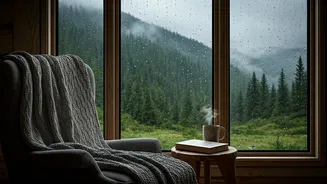
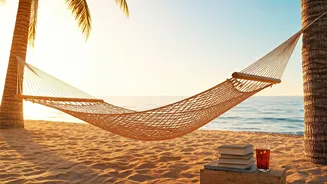
A “softer escape” isn’t defined by a specific location, but by a mindset. It’s the intentional choice to prioritize rest over a packed itinerary and connection over consumption. Instead of a checklist of sights to conquer, the goal is simply to be. This can mean embracing a slower pace, staying in one place longer, or choosing destinations known for tranquility rather than fame. Key elements often include a connection to nature, a focus on wellness (whether that’s a spa or just uninterrupted reading time), and an opportunity for authentic, low-pressure cultural immersion. It’s about swapping the pressure of seeing the “Top 10 Sights” for the simple pleasure of discovering a local bakery, taking a long walk with no destination, or finishing a book by a lake. The measure of success isn't how many photos you post, but how rested you feel when you return home.
Embrace Second-City Charm
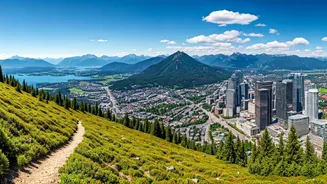
One of the easiest ways to soften a trip is to skip the overwhelmingly popular capital and head for a “second city.” These are smaller, less-frequented urban areas that offer rich culture without the crushing crowds. Instead of fighting for a restaurant reservation in Rome, you can enjoy a leisurely meal in Bologna, Italy’s culinary heartland. Rather than navigating the masses in Paris, you could explore the vibrant food scene and historic passageways of Lyon. In the U.S., this might mean choosing Portland, Maine, over Boston, or Sacramento over San Francisco. These cities often provide a more authentic glimpse into daily life, are more affordable, and allow for a level of spontaneous discovery that’s nearly impossible in their more famous counterparts.
Chase Cooler Climates, Not Hotspots
As summer temperatures soar globally, a new type of trip is gaining traction: the “coolcation.” Instead of joining the throngs sweating it out on Mediterranean beaches, travelers are intentionally seeking out milder, more comfortable climates. Think of destinations like the Scandinavian fjords, the coast of Ireland, the Canadian Rockies, or the Pacific Northwest. These places offer breathtaking scenery and plenty of outdoor activities without the risk of heat exhaustion. A coolcation swaps the stress of finding shade and air conditioning for the simple joy of needing a cozy sweater in the evening. It’s a practical response to a changing climate that also happens to align perfectly with the desire for less crowded, more restorative travel.
Find Your Zen in Nature's Backyard
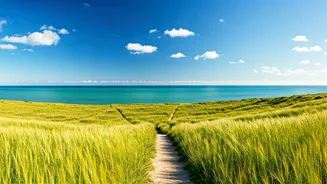
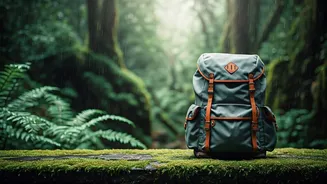
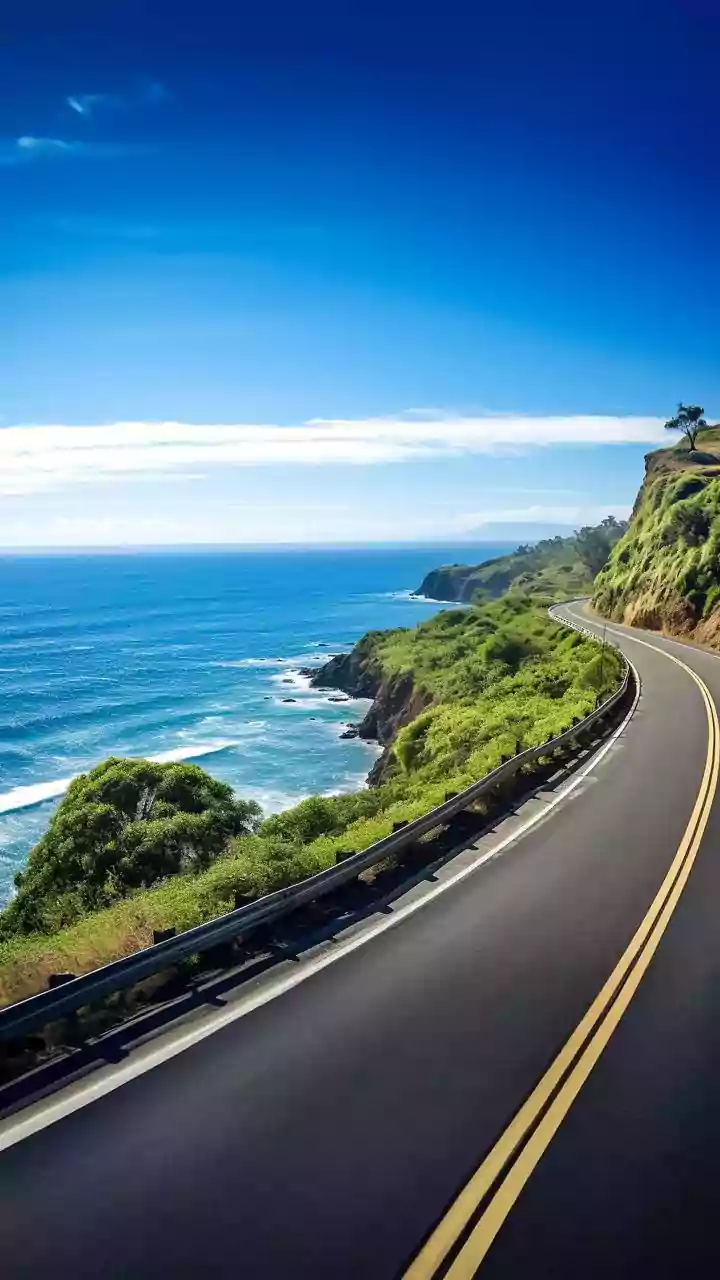
The ultimate soft escape often involves trading cityscapes for landscapes. This trend moves beyond just visiting a national park to making nature the entire point of the trip. It’s about renting a cabin by a quiet lake, finding a hiking trail that isn’t overrun, or taking a scenic drive through a state park you’ve never visited. The goal isn't to summit the highest peak but to disconnect from digital noise and reconnect with the natural world. These trips are inherently slower and more contemplative. They require less planning and offer more flexibility, replacing a rigid schedule with the simple rhythm of sunrise and sunset. Whether it’s stargazing in a dark-sky park or simply enjoying the quiet of a forest, nature-centric trips are a powerful antidote to modern burnout.