



The Emerald Allure
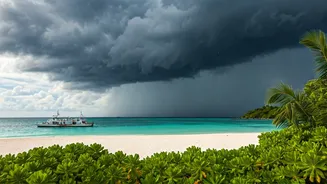
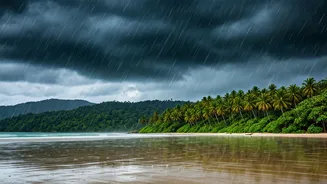
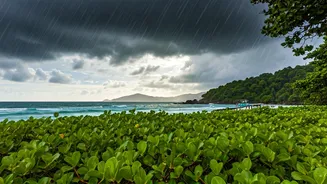
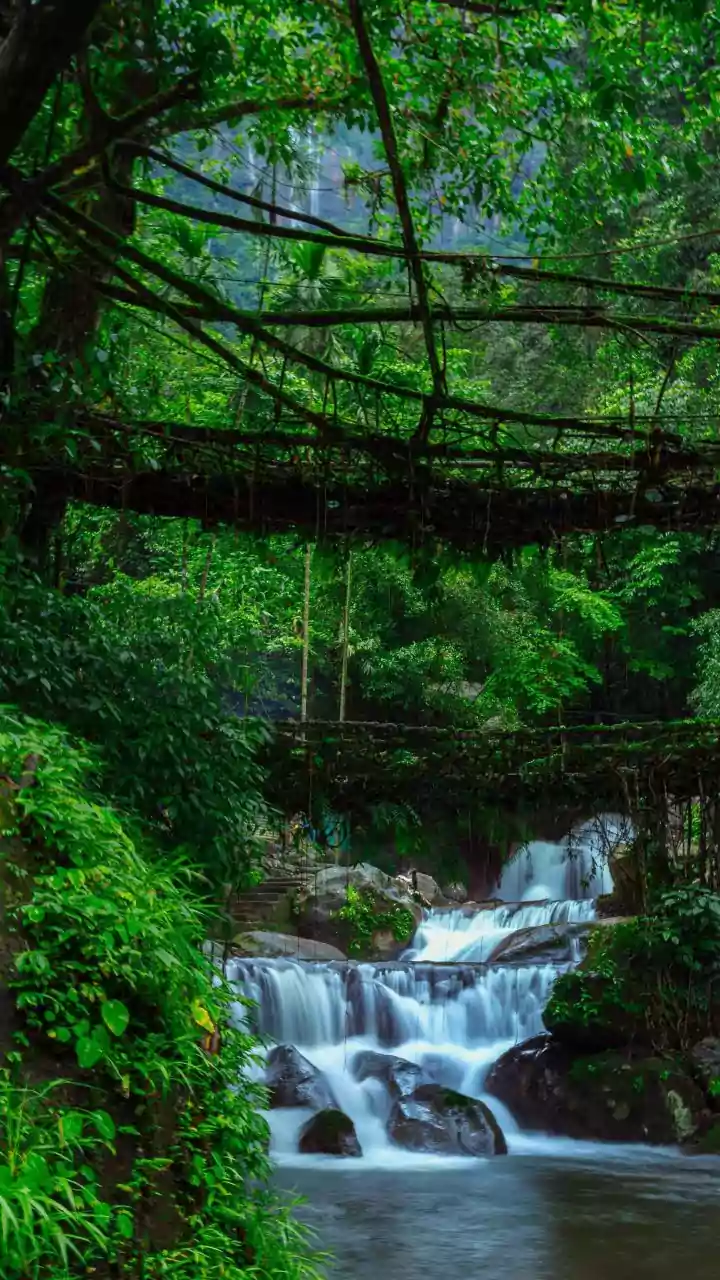
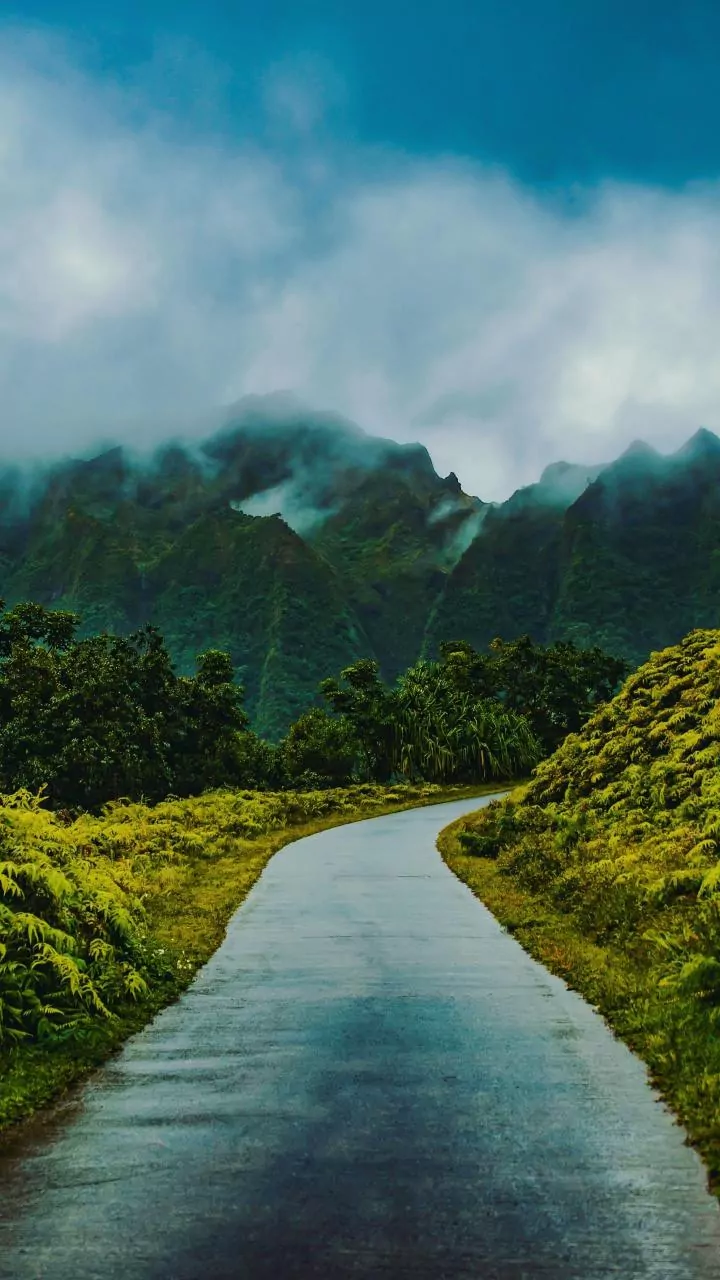
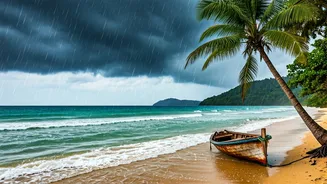
The primary draw of a monsoon trip is the sheer, unadulterated beauty. From May to September, the islands shed their dry-season persona and transform into a lush, emerald world. The foliage becomes intensely vibrant, waterfalls that are mere trickles
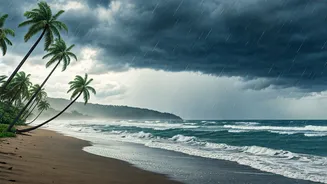
for most of the year roar back to life, and the landscape is constantly washed clean, leaving behind a fresh, earthy scent. The sky puts on its own dramatic show, with heavy, rolling clouds creating a moody, atmospheric backdrop perfect for photography. For travelers seeking a romantic, contemplative escape, watching the rain sweep across the sea from a cozy balcony is an experience in itself. It's the Andamans at their most raw, wild, and introspective.
The Tourist-Free Tranquility
Peak season in the Andamans means crowded beaches, fully booked hotels, and a constant jostle for ferry tickets and tour slots. The monsoon season is the complete opposite. This is the off-season, and with it come two major perks: solitude and savings. Popular spots like Radhanagar Beach, which can feel like a festival in December, might be almost entirely yours. You can experience the islands without the commercial hum, connecting more deeply with the natural environment. This lull in tourism also translates to significant discounts on flights and accommodations, with hotels often slashing their rates by as much as 30-50%. For budget-conscious travelers who prioritize peace over a packed itinerary, the monsoon offers unparalleled value.
The Ferry Fiasco: Getting Around is Tricky
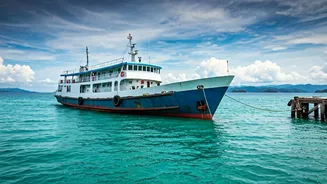
Here is the most significant catch: getting between the islands becomes a gamble. The Andaman archipelago relies on a network of government and private ferries to connect Port Blair with popular islands like Havelock (Swaraj Dweep) and Neil (Shaheed Dweep). During the monsoon, rough seas are the norm, not the exception. This leads to frequent and often last-minute ferry cancellations. You might get to Havelock, but find yourself stuck there for an extra day or two, potentially missing your flight home. Itineraries must be built with immense flexibility and buffer days. Relying on a tight schedule is a recipe for frustration. While government ferries tend to be more reliable in rough weather, they are also harder to book. This unpredictability is the single biggest logistical hurdle of a monsoon trip.
Water Sports Take a Back Seat
If your primary reason for visiting the Andamans is to explore its world-famous underwater life, the monsoon is not your season. Most scuba diving and sea-walking operators shut down completely. The same goes for many snorkeling outfits. Rough seas make boat journeys to coral reefs unsafe, and heavy runoff from the rain clouds the water, drastically reducing visibility. While some sheltered coves might offer limited snorkeling opportunities on a clear day, you cannot count on it. Your activities will be land-based: exploring the revitalized greenery, visiting the Cellular Jail in Port Blair, reading a book through a rain-streaked window, or enjoying the local cuisine. This is a trip for landscape lovers, not adrenaline junkies.
So, Should You Go?
Ultimately, the decision depends entirely on your travel personality. A monsoon trip to the Andamans is perfect for a certain type of traveler: the patient, the flexible, the one who finds beauty in a storm. If you are a writer, an artist, a couple on a romantic getaway, or a seasoned traveler looking for solitude and a bargain, you might find it to be the most magical time to visit. However, if you are traveling with children, have a fixed and limited schedule, or have your heart set on diving and island-hopping, you should absolutely book your trip for the peak season (December to March). The monsoon demands a go-with-the-flow attitude; if you can’t embrace uncertainty, you're better off waiting for the sun.