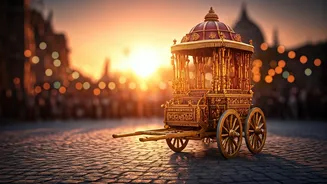










First, What Is a Chariot Festival?
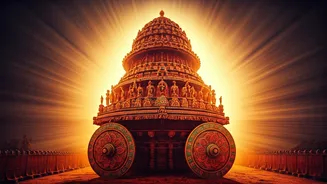
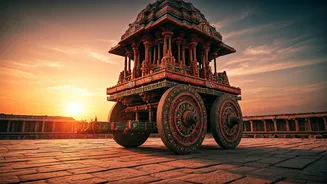
At its heart, this trend is rooted in ancient Hindu tradition, most famously the Rath Yatra, or 'Chariot Journey.' Originating in Puri, India, this festival is one of the oldest in the world. The central event involves devotees pulling enormous, elaborately
decorated chariots carrying deities—typically Lord Jagannath (a form of Vishnu/Krishna), his brother Balabhadra, and sister Subhadra—from their main temple to another temple nearby. The act of pulling the chariot's ropes is considered deeply auspicious, a symbolic act of bringing God into the streets and closer to the people. For believers, it’s a moment of profound spiritual connection and public devotion. But the festival's public nature—a massive, colorful, musical parade—has always given it a broader cultural appeal beyond the strictly religious.
The Social Media Megaphone
So why is it 'trending' now? The answer lies in the potent combination of ancient spectacle and modern technology. Chariot festivals are incredibly photogenic. The towering, brightly colored chariots, the sea of people in traditional and modern attire, the dancing, and the music create a feast for the senses that is perfectly suited for visual platforms like Instagram and TikTok. Young attendees, phone in hand, are documenting and sharing their experience, not as detached observers but as proud participants. A single event can generate thousands of posts, stories, and reels under hashtags like #RathYatra, #FestivalofChariots, or #Jagannath. This digital footprint transforms a local one-day event into a global, ongoing conversation. It allows a young Indian-American in New Jersey to share a cultural moment with a cousin in London and a follower in Mumbai, creating a sense of shared identity that transcends geography.
More Than Religion: A Quest for Roots
For many young Americans of South Asian descent, participation is less about theology and more about a tangible connection to their heritage. Often called 'third-culture kids'—raised in a culture different from their parents'—they navigate a complex identity. While they may have grown up with stories, food, and language at home, they can feel disconnected from the deeper cultural or spiritual practices of their ancestors. A chariot festival offers a powerful, immersive experience. It's a way to step into the culture, not just hear about it. Pulling the rope of a chariot is a physical act that links them to generations of ancestors who did the same. It’s a loud, proud, and public declaration of identity in a country where they may have previously felt like their culture was a private, home-based affair. It provides a sense of belonging and an answer to the quiet question, 'Where do I come from?'
An Invitation to the Entire Community
Another key factor in their growing popularity is their incredible inclusivity. While rooted in Hinduism, organizations like the International Society for Krishna Consciousness (ISKCON), which hosts many of the largest festivals in the U.S. and around the world, frame them as open cultural celebrations. The message is one of universal love and unity. You don't have to be Hindu to enjoy the parade, savor the free vegetarian feast (prasadam) that is often distributed, or feel the infectious joy of the crowd. This open-door policy turns the festival into a powerful form of cultural diplomacy. It allows non-Hindu friends, neighbors, and curious passersby to experience a piece of the culture without pressure. For young heritage lovers, this is a point of pride; they can share a meaningful part of their identity with their friends in a welcoming, celebratory, and distinctly American public square.