




The Pink City’s Renaissance
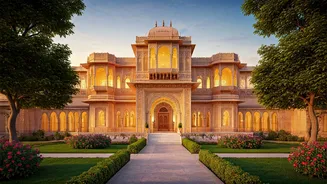
For centuries, Jaipur has been a cornerstone of Indian tourism, famous for the blushing terracotta hue of its old city walls that earned it the nickname “The Pink City.” Its magnificent forts and opulent palaces, built by Rajput maharajas, have long drawn
history buffs and architecture enthusiasts. But a fresh wave of energy is sweeping through these historic grounds. Meticulous restoration projects are breathing new life into these structures, transforming them from dusty relics into dazzling showcases of craftsmanship. The result isn't a museum piece kept behind velvet ropes, but an immersive world that feels both ancient and incredibly current.
More Than Just a Facelift
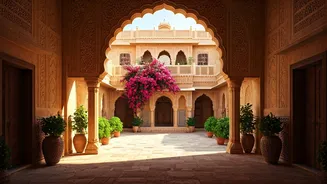
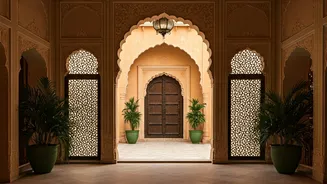
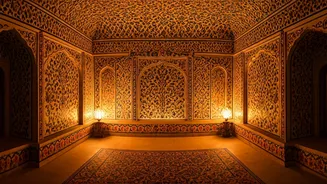
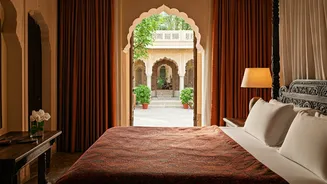
The work being done at sites like Amer Fort, the City Palace, and Hawa Mahal goes far beyond simple repairs. These are comprehensive restorations focused on reviving the original artistic intent. Artisans are painstakingly restoring intricate frescoes, polishing ornate mirror work (sheesh mahal), and reviving the complex geometric patterns of inlaid marble. At the City Palace, for example, private wings once closed to the public have been reopened after stunning restorations, offering access to courtyards painted in brilliant peacock blues and canary yellows. This renewed vibrancy makes the history tangible. You don't just learn about the past; you can walk through its most beautiful, fully-realized expressions, feeling the coolness of the stone and seeing the way light filters through hand-carved latticework (jali screens).
An Aesthetic for the Digital Age
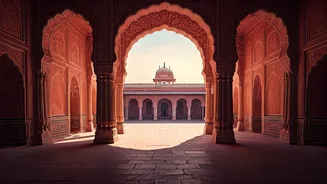
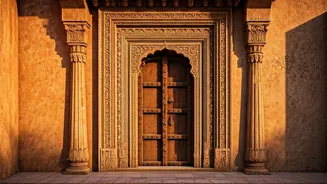
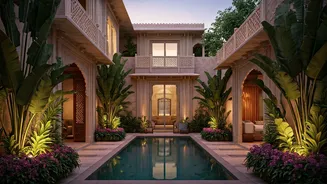
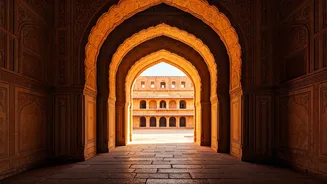
So, why is this resonating so strongly with a younger, global audience? Because this historic aesthetic is perfectly suited for the digital age. Jaipur’s masterpieces offer a visual language that is rich, symmetrical, and deeply photogenic. Think of the iconic nested windows of the Hawa Mahal, designed to allow royal women to observe street life unseen—today, each one is a perfect frame for a portrait. Or consider the striking blue rooms of the City Palace, which provide a dramatic, monochromatic backdrop that feels both royal and radically modern. The city’s visual appeal lies in this blend of grandeur and detail: sweeping archways, pastel-colored walls, and the texture of centuries-old sandstone create a ready-made palette that is both authentic and incredibly appealing to the curated sensibilities of platforms like Instagram.
Where History Meets the Hashtag
This isn't just about taking a pretty picture. The rise of Jaipur as a youth-focused destination is a fascinating case study in how social media is changing travel. A visit is no longer a passive experience of consuming historical facts from a guidebook. Instead, it’s an active process of engagement: finding the perfect angle, capturing the light, and sharing a personal vision of a public space. For many young travelers, sharing an image from the stepwell at Panna Meena Ka Kund or a serene shot from the gardens of Amer Fort is a way of participating in a global conversation about beauty, history, and wanderlust. It turns them from mere tourists into curators of their own experience, using these ancient stages to tell a modern story. Jaipur's restored wonders aren't just being seen; they're being broadcast, reinterpreted, and celebrated by a new generation on a global scale.