




From Looking Good to Feeling Powerful
For decades, the mainstream fitness narrative, particularly for women, revolved around aesthetics. Workouts were a tool for weight loss, and success was measured in inches lost or dress sizes dropped. The aspirational body was often a lean, delicate one.
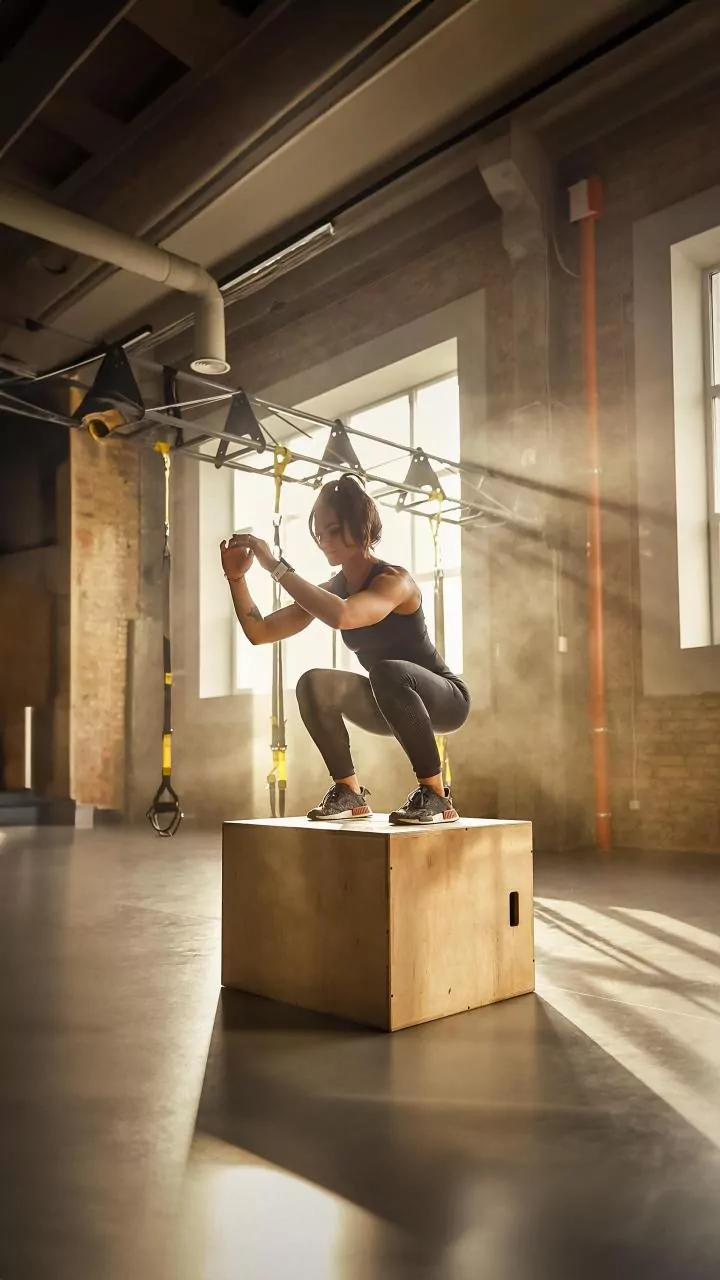
But a significant cultural shift is underway. Across gyms and social media feeds, the focus is pivoting from what the body looks like to what it can *do*. This new wave of fitness is defined by performance. The goal might be to deadlift twice your bodyweight, master a pull-up, complete a triathlon, or hold a handstand for 30 seconds. It’s a transition from passive, appearance-based goals to active, capability-based ones. This movement redefines fitness not as a state of being skinny, but as a state of being strong, skilled, and resilient. It prioritizes function over form, celebrating the body as an instrument of power rather than just an object to be admired.
The Social Media Effect
While social media platforms once fueled a culture of “thinspiration” and unrealistic body comparisons, they have ironically become a key driver of this new strength-focused movement. The visual nature of Instagram and TikTok is perfectly suited for showcasing feats of strength. Instead of just static before-and-after photos, users now share dynamic videos of themselves hitting a new personal record on a squat, climbing a rock wall, or nailing a complex yoga pose. This content has a profoundly different impact. It demystifies strength training, showing people of all shapes, sizes, and genders engaging in powerful activities. Influencers in this space are often celebrated for their athletic achievements and positive messaging, not just their physique. Seeing a relatable person progressively get stronger week after week offers a more engaging and empowering narrative than a simple weight-loss transformation. It provides a blueprint for progress that feels attainable and focuses on the journey of building capacity.
The Psychology of a Tangible Goal
Part of the appeal of performance goals is their objective, measurable nature. The pursuit of aesthetic ideals can be a frustrating, demoralizing cycle. The scale fluctuates, body dysmorphia can distort perception, and progress often feels subjective and slow. In contrast, strength goals offer clear, undeniable wins. You either lift the weight or you don’t. You either run the mile faster or you don’t. Each small victory—adding five pounds to the bar, holding a plank for ten seconds longer, completing an extra rep—provides a powerful hit of dopamine and a tangible sense of accomplishment. This process builds a different kind of confidence, one rooted in competence and self-efficacy rather than external validation. It teaches discipline, patience, and resilience. Failing to lift a weight becomes a data point for improvement, not a judgment on your self-worth. This reframes the entire relationship with exercise from a form of punishment to a practice of self-empowerment.
Redefining Health and Community
This shift also has broader implications for how we define health. It moves the conversation beyond BMI and body fat percentage to include metrics like cardiovascular endurance, mobility, and muscular strength—all of which are better indicators of long-term well-being and quality of life. Embracing strength helps build bone density, improve metabolic health, and enhance functional movement for everyday tasks, from carrying groceries to playing with your kids. Furthermore, this trend is fostering new kinds of communities. Powerlifting meets, CrossFit boxes, and climbing gyms are spaces where mutual support and shared achievement are the currency. The collective energy of a group cheering for someone to hit their personal best creates a bond that transcends physical appearance. It’s a community built on effort and respect, where the focus is on celebrating what our bodies are capable of, together.