





The Universe Became an Art Gallery
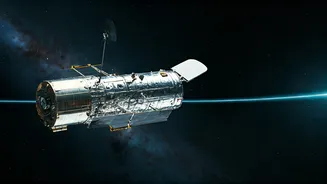
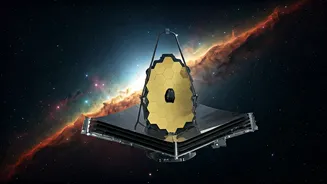
The single biggest catalyst for our renewed love affair with the cosmos is the James Webb Space Telescope (JWST). Before Webb, deep space images were fascinating but often abstract. Now, they’re breathtaking masterpieces. When NASA released the first
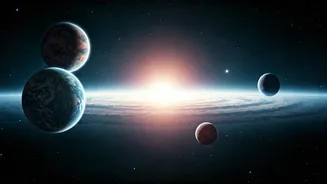
images in 2022, they didn't just appeal to astronomers; they went viral. The “Cosmic Cliffs” in the Carina Nebula and the shimmering galaxies of Stephan's Quintet look less like data points and more like celestial paintings. For the first time, millions of people who’d never picked up a physics textbook could experience the universe's beauty on an immediate, emotional level. Webb’s images are shared on Instagram and set as phone backgrounds. They transformed astronomy from a complex science into a shared cultural experience, proving that a picture is indeed worth a thousand light-years.
We’re Actually Going Back to the Moon
For decades, returning to the Moon was a vague, far-off promise. The Apollo program was a source of nostalgia, a story our parents or grandparents told. But with the Artemis program, it’s happening now. The thunderous launch of the uncrewed Artemis I mission in 2022 wasn't just a test flight; it was a powerful statement of intent. It made the goal tangible. News coverage now focuses on the astronauts who will make the journey and the technologies that will get them there. This isn’t a dusty history lesson; it's a live, unfolding adventure story. By setting a clear, audacious goal that harkens back to a moment of national unity and pride, NASA has given the public a compelling narrative to follow, complete with heroes, high stakes, and a destination we can all see in the night sky.
Rocket Launches Became a Spectator Sport
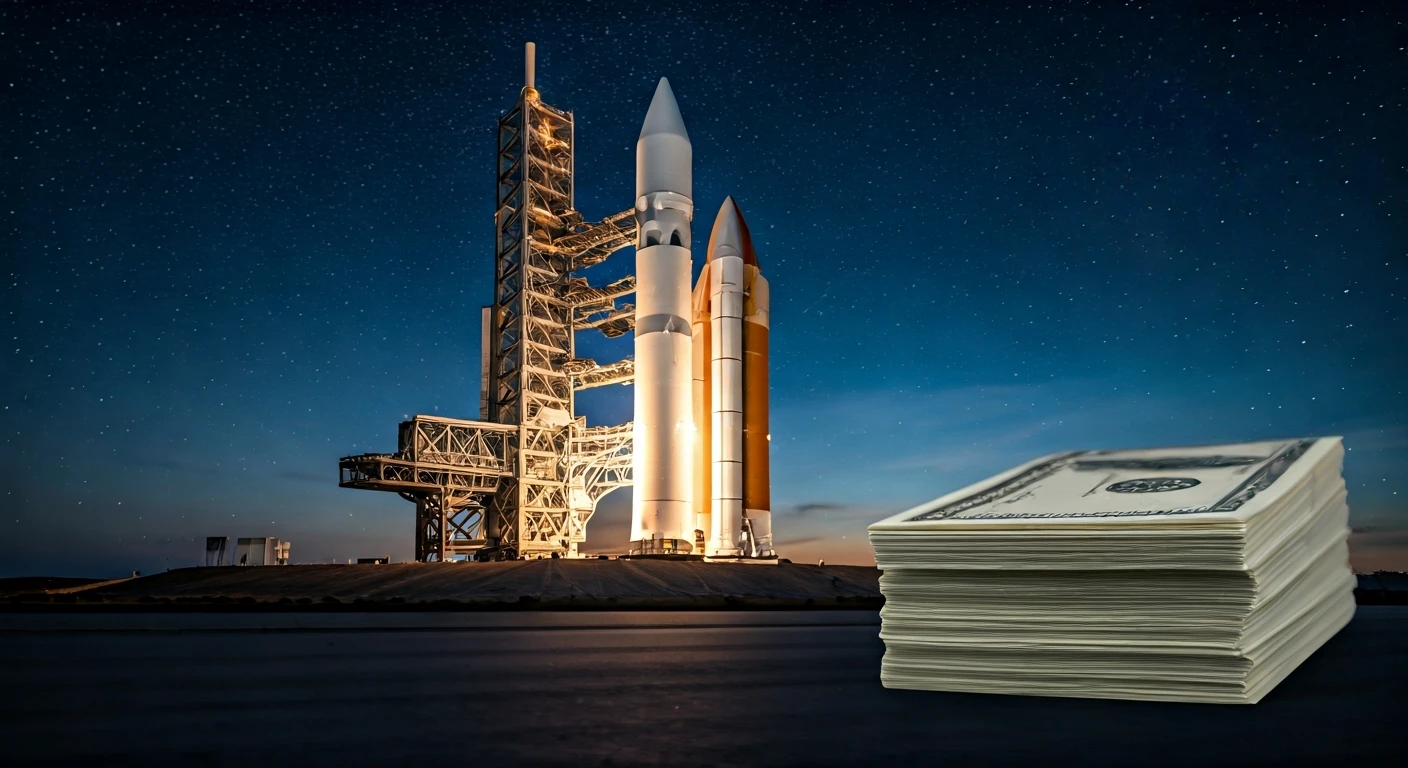
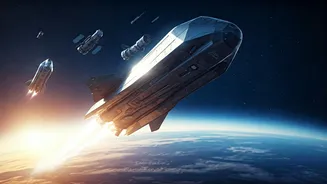
The rise of private companies, most notably SpaceX, has fundamentally changed the rhythm and accessibility of spaceflight. Government-led launches were once rare, formal affairs. Today, SpaceX livestreams nearly every launch, complete with slick production, expert commentary, and dramatic booster landings on ocean platforms. They’ve turned rocket science into a recurring, high-drama spectator sport. People host launch parties. Online communities buzz with anticipation before every Starship test. This constant, public-facing activity makes space feel dynamic and fast-moving, not slow and bureaucratic. The sheer frequency of launches by SpaceX and others has kept space in the news cycle, making the impossible feel routine and giving the public a steady diet of technological marvels to cheer for.
It’s an Antidote to Earthly Chaos
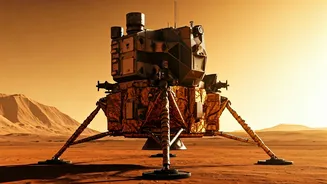
In an era of deep political division, social anxiety, and a relentless 24-hour news cycle focused on conflict, space science offers a rare dose of perspective and unity. Staring at an image of a galaxy born billions of years ago has a way of making today's squabbles feel small. Watching a rover navigate the desolate landscape of Mars is a reminder of human ingenuity and our shared capacity for curiosity. Space exploration is one of the few endeavors that can, even for a moment, transcend national and political boundaries. It’s a source of genuinely good news—a story of discovery, not division. For many, following the latest from NASA or JWST is a form of self-care, a way to connect with something vast, beautiful, and hopeful.
Pop Culture Made Space Cool Again
Hollywood and television have always loved space, but the current wave of science-grounded storytelling has helped prime the public for the real thing. Movies like *The Martian* and *Interstellar* didn't just entertain; they celebrated the problem-solving grit of scientists and astronauts. TV series like *For All Mankind* re-imagine the space race with compelling human drama. This cultural backdrop makes the real-world science more relatable. When you’ve been emotionally invested in a fictional mission to Mars, the real-life tests of the rockets designed to get us there feel more significant. This symbiotic relationship between science fiction and science fact has created a feedback loop, where entertainment fuels interest in the reality, and the reality inspires even more compelling stories.