




A Kingdom in the Clouds
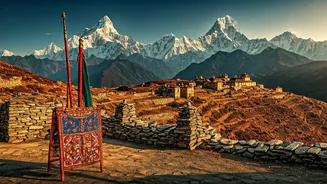
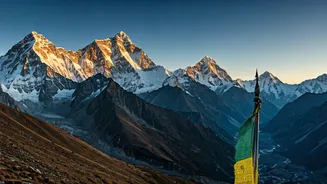
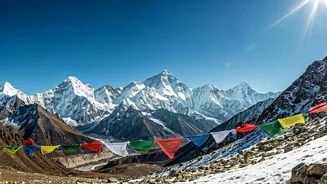
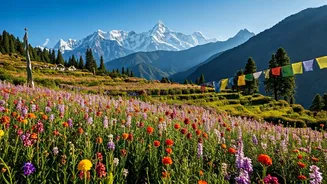
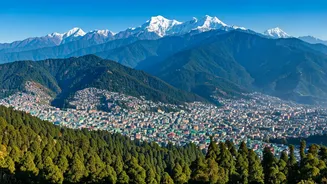
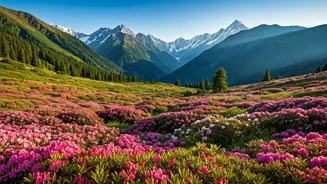
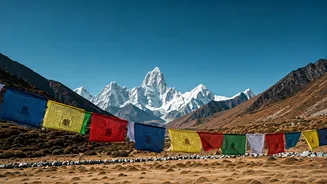
For most Americans, Sikkim is a mystery, if it’s known at all. Tucked between Nepal, Bhutan, and Tibet, this tiny state in northeastern India was an independent Buddhist kingdom until it merged with India in 1975. Its geography is breathtaking, dominated
by Kangchenjunga, the world's third-highest peak. But its true treasure is its culture—a delicate, resilient blend of traditions carried by its Lepcha, Bhutia, and Nepali communities. For centuries, this remote land has been a sanctuary for a unique form of Tibetan Buddhism, and that faith animates every aspect of life, especially its vibrant summer festivals.
The Sacred Summer Calendar
While the rest of the world might be planning beach vacations, summer in Sikkim marks a season of profound spiritual importance. The lunar calendar dictates a series of festivals that transform monasteries and public squares into open-air stages. One of the most significant is Saga Dawa, typically falling in late May or early June. This holy month culminates in a day celebrating the Buddha’s birth, enlightenment, and passing into nirvana. Monks lead solemn processions, carrying sacred texts through the streets of the capital, Gangtok. Villagers line the routes, offering prayers and receiving blessings in a quiet, deeply felt public spectacle.
The Dance of Gods and Demons
The most visually stunning element of these festivals is the Chaam dance. Far from a simple performance, this is a religious tradition enacted by monks wearing elaborate masks and brilliantly colored silk costumes. Each mask represents a deity, a demon, or a historical figure, and the dance itself is a slow, hypnotic-moving meditation. Performed in monastery courtyards to the clang of cymbals and the deep drone of long horns, the Chaam dances tell epic stories of the triumph of good over evil. The fearsome, scowling faces of protector deities whirl alongside serene, enlightened figures, acting out a spiritual drama that is believed to cleanse the land of evil spirits and bestow blessings upon the audience.
A Living, Breathing Heritage
What makes these events so compelling is their authenticity. While they are a magnificent draw for travelers, they are not performances staged for outsiders. They are deeply ingrained rituals of faith and community. Another summer festival, Drupka Teshi, commemorates the Buddha's first sermon. On this day, prayers are offered at Deer Park in Gangtok, reenacting the sermon at the historical site in Sarnath. For the people of Sikkim, attending these festivals, lighting butter lamps, and turning prayer wheels are ways of making merit and reaffirming their connection to their heritage. The air is thick with the scent of juniper incense and the murmur of mantras—a sensory map of a culture that has endured for centuries.