



Why Your Pots Are Prime Real Estate
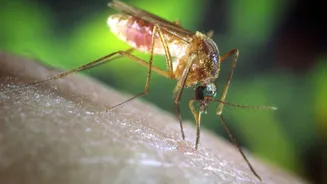
It’s not the plants themselves that mosquitoes are after; it’s the water. Mosquitoes don’t need a pond or a lake to lay their eggs. In fact, some of the most bothersome species, like the Aedes aegypti (the primary vector for Zika, dengue, and chikungunya),
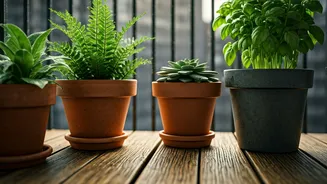
are known as “container breeders.” They specialize in finding small, man-made pockets of standing water to lay their eggs. A female mosquito can lay over 100 eggs in a volume of water as small as a bottle cap. Enter your potted plants. The saucers or trays placed under pots to catch excess water are the most obvious culprits. After you water your plants or after a rain shower, these saucers can hold just enough stagnant water for several days—the perfect amount of time for mosquito larvae to hatch and mature. Even self-watering planters can become a problem if their reservoirs aren't managed properly.
The Hidden Dangers Lurking in Water
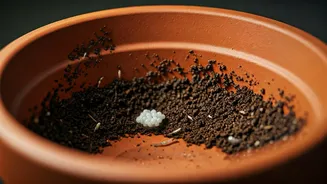
The problem extends beyond the saucers. Compacted soil in a pot can prevent proper drainage, leaving a layer of standing water on the surface. Decorative pots without drainage holes are essentially creating a permanent mosquito pond. Even the pot's rim can have a lip that traps a small ring of water.
While the itchy, red bite is the most immediate annoyance, mosquitoes are also the deadliest animal in the world due to the diseases they transmit. In the United States, the most common mosquito-borne illness is West Nile virus. Though severe cases are rare, it’s a potent reminder that controlling the mosquito population around your home is about more than just comfort; it’s a public health measure. By eliminating their breeding grounds, you protect yourself, your family, and your neighbors.
Your Action Plan for a Bite-Free Zone
Reclaiming your yard from these pests doesn’t require expensive equipment or harsh chemicals. It’s about diligence and disrupting the mosquito life cycle. Here’s a simple checklist to follow:
1. **Tip and Toss:** At least once or twice a week, make a habit of emptying any and all standing water from pot saucers, trays, and decorative outer pots. This simple act is your single most effective strategy.
2. **Check Your Drainage:** Ensure every pot has adequate drainage holes. If a pot is clogged, gently poke the soil at the bottom through the holes to clear the blockage. If you have decorative pots without holes, consider drilling some yourself or using them only for plants housed in a second, inner pot that can be easily removed for draining.
3. **Use Larvicides (Safely):** For larger water features that you can't easily empty, like birdbaths or ponds, consider using a product containing Bti (Bacillus thuringiensis israelensis). Sold as “mosquito dunks” or “bits,” Bti is a naturally occurring bacterium that kills mosquito larvae but is harmless to humans, pets, birds, and other wildlife.
4. **Elevate Your Pots:** Use “pot feet” or small bricks to lift your containers slightly off the ground. This improves air circulation and helps water evaporate more quickly from the saucer underneath, making it a less inviting environment.
Look Beyond the Flowerpots
Once you’ve secured your pots, turn a critical eye to the rest of your yard. Mosquitoes are opportunistic. A discarded tire, a forgotten children’s toy, a clogged gutter, a wrinkled tarp, or even an upturned frisbee can collect rainwater and become a five-star mosquito nursery. Think like a mosquito: where can a small amount of water sit undisturbed for a week? Go to those places and eliminate the water. Regular patrols of your property, especially after it rains, are the key to maintaining a mosquito-hostile environment.