






The Great Pet Humanization
The single biggest driver behind the rise of pet spas is the profound shift in how Americans view their animals. For a growing number of people, particularly Millennials and Gen Z, pets are not property; they are family. The term “pet parent” has replaced
“pet owner,” and with that comes a change in spending priorities. According to the American Pet Products Association, Americans spent over $136 billion on their pets in 2022, a figure that consistently climbs year over year. This “humanization” trend means that if services like massages, organic meals, and spa treatments are considered essential for human well-being, they are increasingly seen as a valid, if not necessary, indulgence for our four-legged children. A weekend spa booking becomes a way to express love and provide care in a way that mirrors how we care for ourselves.
The Weekend Make-Up Session
Why the weekend specifically? The answer lies in modern work culture and a healthy dose of “paw-rent” guilt. For the millions of Americans working long hours Monday through Friday, weekends are the primary time for connection, errands, and personal care. For pet parents, it’s also the time to make up for long days spent at the office or on Zoom calls. A trip to the luxury spa isn't just about getting a wash and trim; it's a dedicated block of time for pampering that alleviates the guilt of leaving a pet home alone. It’s an activity that says, “This weekend is for you.” Spa owners report that their Saturday and Sunday schedules fill up weeks in advance, booked by loving owners determined to give their pets the best of their limited free time.
The Experience Economy for Paws
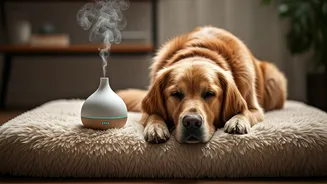
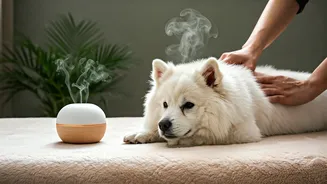
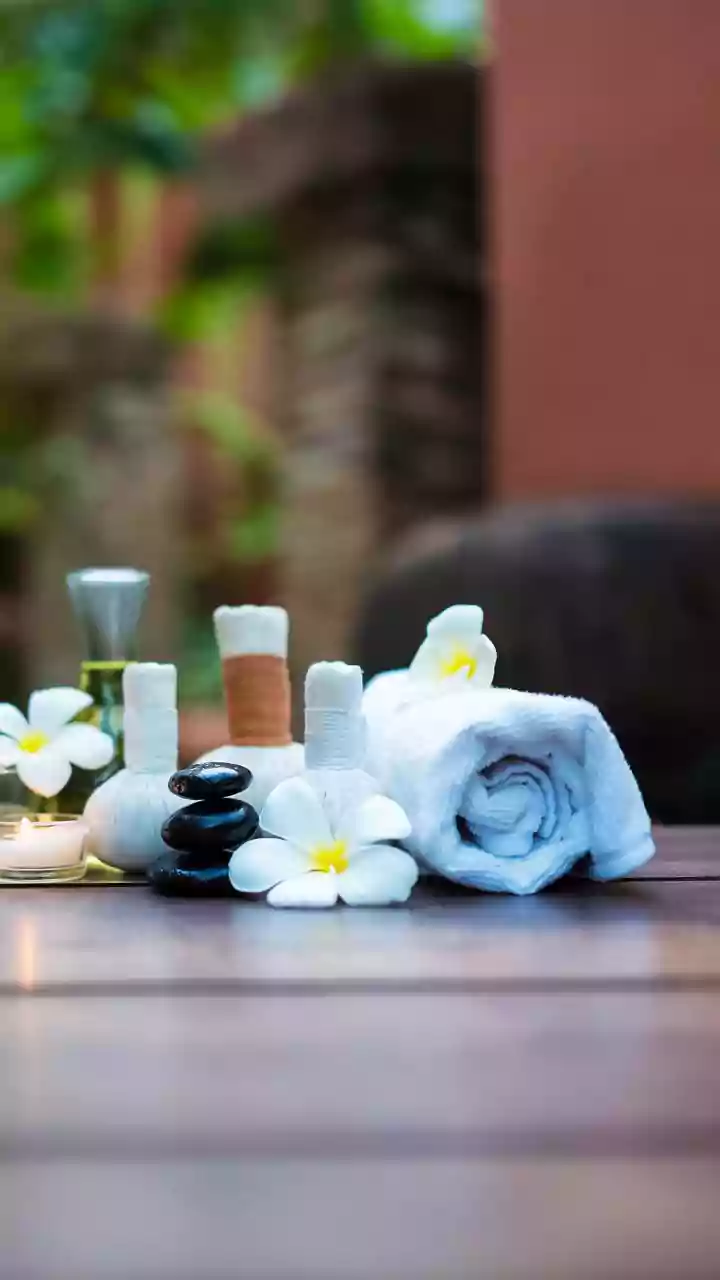
We no longer just buy things; we buy experiences. This principle now extends to our pets. A bag of high-end kibble is one thing, but a day of social play, aromatherapy, and a professional blowout is an event. Pet spas are tapping directly into the experience economy by offering not just a service, but a memorable and shareable outing. These facilities are designed to look and feel like human spas, complete with calming aesthetics, soothing music, and a menu of services ranging from a simple “pawdicure” to complex hydrotherapy sessions. The booking is less a chore (like a trip to a standard groomer) and more a treat—an enjoyable experience for both the pet who gets pampered and the owner who gets the satisfaction of providing it.
A Picture-Perfect Pampering
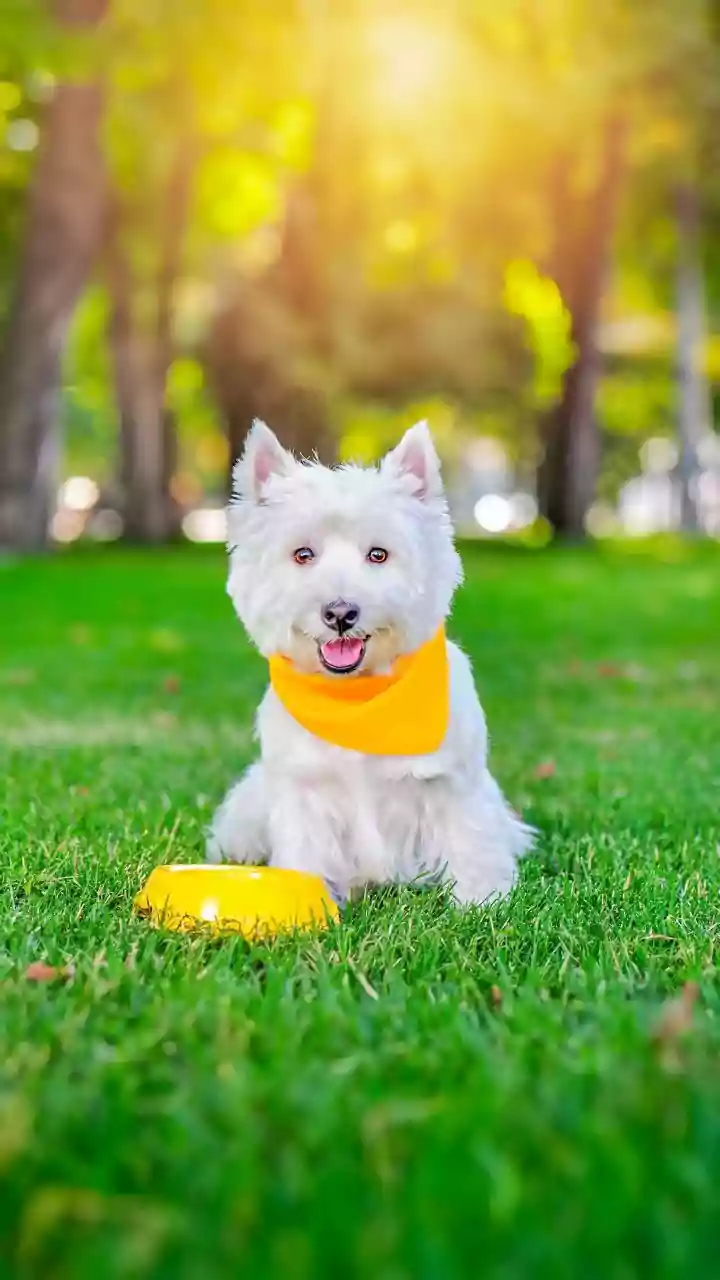
In the age of social media, if you didn't post it, did it even happen? A well-groomed, happy, and photogenic pet is prime content for Instagram, TikTok, and Facebook. Luxury pet spas have become a crucial part of this ecosystem. They provide the perfect “after” shot: a fluffy coat, a neat trim, and perhaps a festive bandana to complete the look. Some spas even lean into this, creating photo-ready backdrops for owners to capture the moment. This social pressure—or pleasure—to present a well-cared-for pet to the world is a powerful motivator. A weekend spa trip ensures your furry companion is camera-ready for the week ahead, turning a simple grooming appointment into an investment in one’s personal (and pet’s) brand.
Wellness Beyond the Human Realm
The wellness trend has completely saturated modern life, and it was only a matter of time before it spilled over into the pet bowl. We’re obsessed with organic foods, mental clarity, and low-stress living for ourselves, so we project those desires onto our pets. Luxury pet spas market their services using the language of wellness. A bath isn’t just for cleaning; it’s for “skin health.” A massage isn’t just a rubdown; it’s to “reduce anxiety.” Grooming helps prevent painful matting and skin conditions. By framing their services as essential to a pet's physical and mental well-being, these businesses elevate themselves from a simple luxury to a perceived necessity for responsible pet parenting. The weekend rush is a symptom of this larger belief: that a healthy pet is a happy pet, and happiness can be booked from 9 to 5.