





The Great Cool-Down
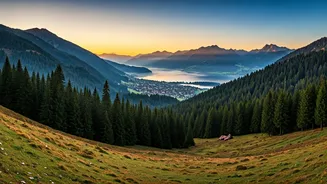
The most compelling argument for mountains is perhaps the simplest: the weather. As summer temperatures across the country continue to climb, the idea of baking on scorching sand has lost some of its luster. Enter the mountain ‘cool-cation.’ The promise
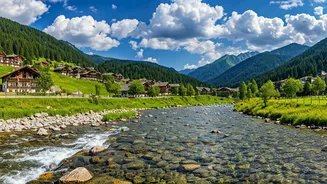
of crisp, dry air, shady forests, and temperatures that dip into comfortable sleeping weather at night is a powerful draw. While coastal cities sizzle in humidity, mountain towns from Asheville, North Carolina, to Telluride, Colorado, offer a natural form of air conditioning. This isn't just about comfort; it's a strategic retreat from the oppressive heatwaves that are becoming a more common feature of American summers. For families and travelers sensitive to extreme heat, swapping a sweltering beach for a breezy mountain peak is less a preference and more a practical necessity.
An Appetite for Adventure
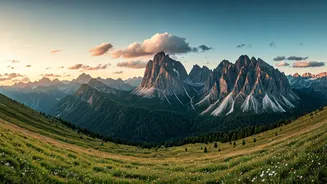
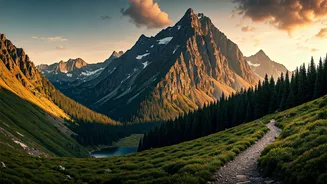
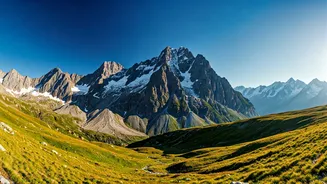
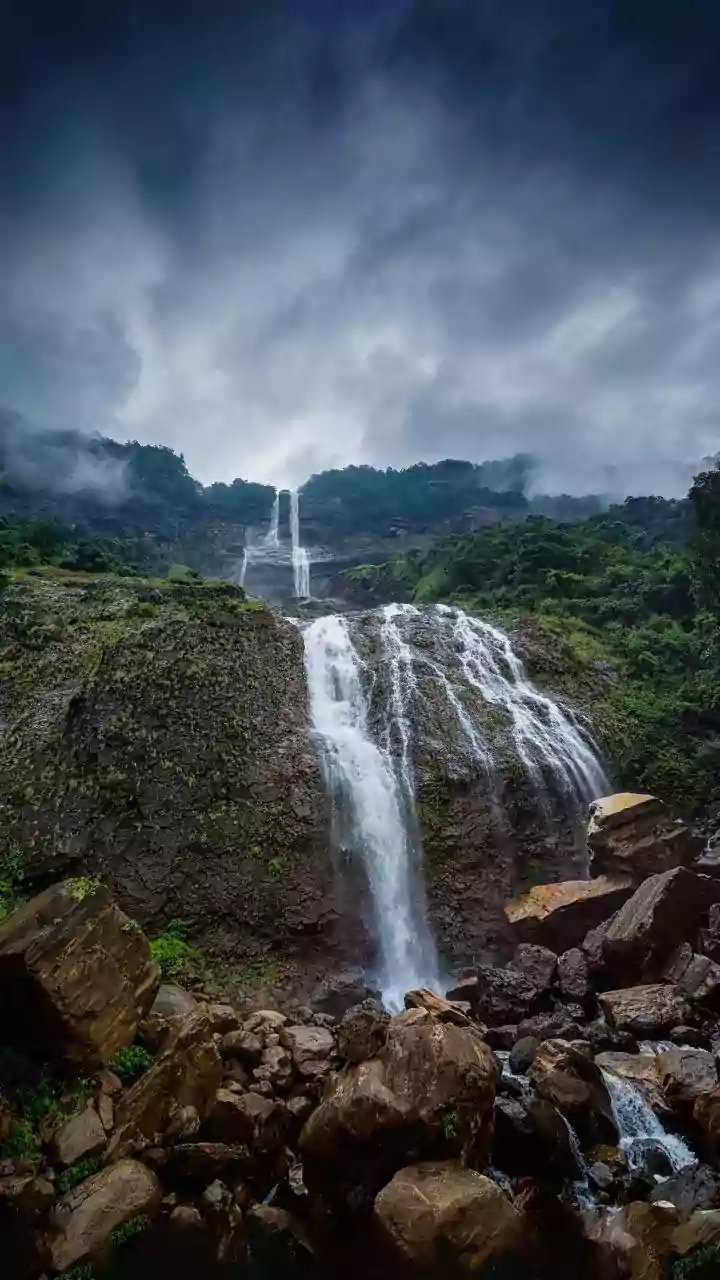
Beaches promise relaxation, a chance to unplug and recline. Mountains, on the other hand, promise action. The post-pandemic era has cemented a widespread desire for outdoor, active vacations that engage the body as well as the mind. While a beach day might involve a casual swim or a game of frisbee, a mountain trip opens up a vast menu of activities: hiking to a waterfall, kayaking on an alpine lake, mountain biking down a scenic trail, or simply exploring a charming town nestled in a valley. This shift reflects a change in what we want from our time off. It’s no longer just about escaping work, but about actively pursuing new experiences, challenging ourselves, and returning home with a story to tell—not just a sunburn.
The Quest for Quiet
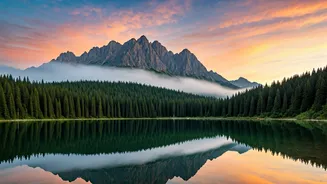
If you’ve ever tried to find a 10-foot-square patch of sand on a popular beach in July, you understand the appeal of solitude. Coastal hotspots are often synonymous with crowds, traffic, and packed restaurants. Mountains, by their very nature, offer more room to breathe. While popular national parks and trailheads can certainly be busy, it’s far easier to find a quiet corner of the woods than an empty stretch of prime shoreline. This desire for personal space, a lingering preference from the social-distancing era, has fundamentally altered vacation calculus. Travelers are increasingly willing to trade the vibrant chaos of a boardwalk for the quiet hum of a forest, seeking a mental reset that feels more attainable when you’re not competing for a parking spot or a dinner reservation.
A Different Kind of Value
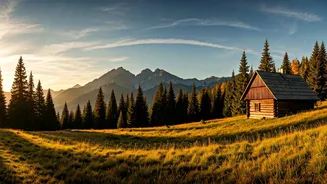
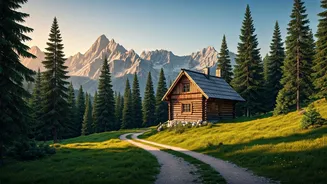
Cost is always a factor, and the economics of a mountain trip can be surprisingly favorable. While luxury ski towns have their premium price tags, the overall ecosystem of a mountain vacation can offer better value. A charming cabin rental often costs less per square foot than a cramped, ocean-view condo. Activities like hiking are free, and cooking meals in a rental is often a more central part of the cabin experience than it is in a hotel-dominated beach town. Furthermore, the shoulder seasons in the mountains (early and late summer) provide significant discounts, while beach destinations often maintain peak pricing from Memorial Day through Labor Day. For travelers looking to maximize their budget without sacrificing experience, the mountains present a compelling financial case.