

SUJÁN Rajmahal Palace, Jaipur
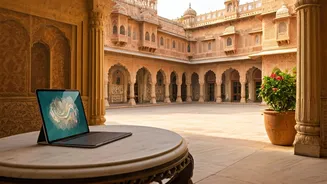
Once a private playground for Jaipur's glamorous royal family, the Rajmahal Palace is a masterclass in reviving history with audacious style. The restoration, led by designer Adil Ahmad, didn't just polish the past; it reimagined it. Instead of a dusty
museum piece, you find yourself in a whirlwind of color. Each room features custom-designed wallpapers with bold, oversized motifs that narrate the history of the palace and the city of Jaipur itself. The original marble staircases, chandeliers, and family portraits remain, but they're now framed by shocking pinks, turquoise, and emerald greens. It’s a space that feels both historically significant and incredibly alive, proving that restoration can be a vibrant, forward-looking conversation with the past, not just a whisper.
Samode Palace, near Jaipur
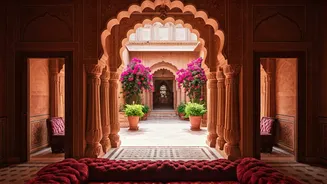
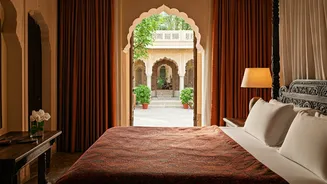
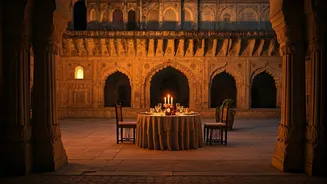
If you dream of the classic, opulent romance of princely India, Samode Palace is your destination. Tucked away in the Aravalli Hills, this 475-year-old palace is less a hotel and more a labyrinth of historical splendor. Its crown jewel is the Sheesh Mahal, or Hall of Mirrors. Unlike modern imitations, this is the real deal: a breathtaking room where thousands of tiny, hand-cut mirrors are embedded in intricate plasterwork. When a single candle is lit, the entire chamber glitters like a diamond, a technique designed to amplify light in the age before electricity. The restoration here was about painstaking preservation. Artisans spent years reviving the delicate frescoes that cover the walls and ceilings of the Durbar Hall, depicting legends and courtly life in stunning detail. To walk through Samode is to feel the weight and beauty of centuries of artistry.
RAAS Jodhpur
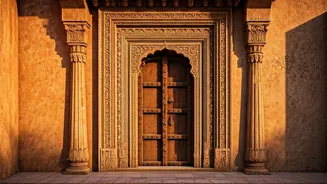
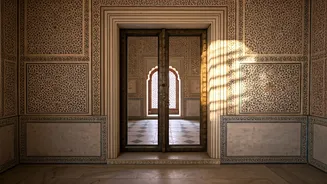
What happens when you blend an 18th-century haveli (a traditional nobleman’s mansion) with sharp, contemporary design? You get RAAS Jodhpur. Set at the foot of the colossal Mehrangarh Fort, this hotel is a brilliant exercise in contrast. The original structures, built from Jodhpur’s iconic red sandstone, have been meticulously restored. But woven between them are new buildings of steel and glass, and interiors that favor a clean, minimalist aesthetic. The standout feature is the latticework. The designers created modern versions of the traditional 'jaali' screens, which historically provided shade and privacy for women. These contemporary screens, made from sandstone, cast intricate shadows that dance across polished floors, connecting the new architecture directly to the old. It’s a thoughtful dialogue between ancient materials and modern sensibilities, creating a space that feels both rooted and refreshingly current.
Mihir Garh, near Jodhpur
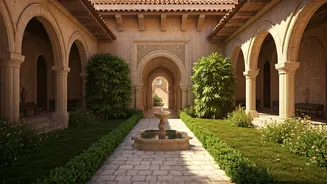
While most heritage properties restore old buildings, Mihir Garh—the "Fort of the Sun"—restored a tradition. Built from the ground up less than two decades ago, this incredible structure was conceived as a tribute to Rajasthan's local artisans. Owner Sidharth Singh wanted to create an authentic fort using only traditional techniques that were in danger of being lost. Over 150 craftsmen, from carpenters to plasterers, were employed to build its nine magnificent suites. The interiors are a showcase of rustic luxury. The walls are finished with a mix of cow dung and clay, a natural cooling method. Fireplaces are shaped by hand, textiles are locally woven, and mirrors are framed with painstakingly recreated patterns. It's a living gallery of vernacular architecture, proving that the most profound restoration project isn't always about saving a building, but about preserving the skills that built a civilization.