

A Different Corner of India
First, let’s get our bearings. Tripura is one of India's smallest states, a finger of land nestled between Bangladesh and the rest of Northeast India. For decades, this region, known as the 'Seven Sisters,' was geographically and politically isolated,
preserving a cultural identity distinct from the Indian mainland. Tripura, once a princely kingdom ruled by the Manikya dynasty for centuries, is a unique tapestry of Bengali culture and the traditions of 19 different tribal communities, including the Tripuri, Reang, and Jamatia peoples. This isn't the India of sprawling megacities or desert forts. It's a land of rolling hills, lush bamboo groves, and serene lakes. And while its quiet beauty is a draw, the real magic happens when the state erupts in celebration. For any traveler seeking authenticity over curated tourist experiences, Tripura's festival calendar is the ultimate guide.
Where Gods and Communities Mingle
The state’s signature festival, Kharchi Puja, perfectly encapsulates its unique spiritual landscape. Held over ten days in July near the old capital, Agartala, it’s a stunning example of syncretism. The festival honors the fourteen deities of the royal family, a mix of tribal gods and Hindu figures. Priests chant, drums beat incessantly, and thousands of devotees—both tribal and non-tribal—gather to pay respects to what is, fascinatingly, a collection of heads representing the gods. Animal sacrifices are still part of the ritual, a raw and powerful link to ancient practices. But the event quickly blossoms into a massive fair, with food stalls, artisan crafts, and cultural performances. It’s a spiritual event and a community block party rolled into one, offering a window into a belief system that beautifully merges different traditions. Another highlight is Garia Puja, a major festival for the Tripuri people. Celebrated in April to ensure a good harvest, it’s an explosion of energy, marked by dancing, singing, and the rhythmic beat of drums around a symbolic bamboo pole representing the deity.
Living History, Not a Museum Piece
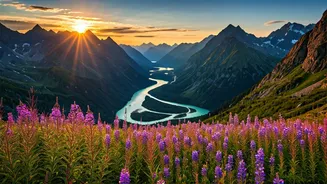
What makes these festivals so compelling is that they are not relics performed for tourists. They are the living, breathing soul of the community. Attending one is to step into a celebration that has been passed down through generations, shaped by royal patronage and tribal folklore. The Neermahal Water Festival, for instance, takes place at the stunning Neermahal palace, a crimson-and-white art deco marvel sitting in the middle of a lake. The festival, with its boat races and swimming competitions, activates this historical site, turning it from a static monument into a vibrant public space. Similarly, the Orange & Flower Festival in the Jampui Hills isn't just a harvest celebration; it's an assertion of local identity, showcasing the region's agricultural pride and the close-knit nature of its communities against a backdrop of breathtaking mountain scenery. This is where travel becomes more than sightseeing—it becomes participation.
The Promise of Immersive Travel
In an era where 'authentic travel' is often a marketing buzzword, Tripura delivers the real thing. Visiting during a festival means you’re not just an observer; you’re a guest. The warmth and hospitality of the Tripuri people are legendary. You’ll be invited to share in the food, swept up in the music, and treated to stories that you won’t find in any guidebook. The infrastructure is still developing, which means it’s not the easiest place to travel, but that’s part of the appeal. It has resisted the homogenizing effects of mass tourism. A trip here requires a bit more planning and an adventurous spirit, but the reward is an experience that feels personal, profound, and genuinely connected to the place and its people.