








The New American Dream Has a Dog Run
For generations, the checklist for a dream home was straightforward: a good school district, a two-car garage, and a white picket fence. Today, for a massive and growing segment of the population, that list has been revised. Proximity to a high-quality
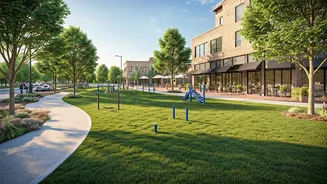
dog park is now weighed as heavily as school ratings, and a walkable neighborhood isn’t just for exercise—it’s for the daily dog walk. This shift is primarily driven by Millennials and Gen Z, who have delayed marriage and children but embraced pet ownership with unprecedented enthusiasm. They don’t see their pets as animals; they see them as family. And you don’t leave family cooped up at home. This redefines a “good neighborhood” from one that simply has houses to one that offers a complete, integrated lifestyle for both humans and their four-legged companions. The backyard is no longer enough; the entire community is now expected to be part of the pet’s world.
From Niche Perk to Real Estate Driver
Real estate agents have taken notice. What was once a minor preference has become a major selling point. Listings now prominently feature “pet-friendly amenities.” New apartment complexes are being built with “pet spas” for washing muddy paws, rooftop “bark parks,” and even on-site dog walkers. In the single-family home market, a fenced-in yard is table stakes. Buyers now ask about the location of the nearest 24-hour vet, the quality of local groomers, and whether nearby trails allow dogs off-leash. According to studies from real estate platforms like Zillow, homes located near dog parks can command a premium. This “pet-friendly premium” reflects a simple market reality: a significant portion of buyers will pay more for a home that caters to the needs of their entire family, including its furriest members. It’s a tangible economic impact stemming from an emotional bond.
The Pandemic Pet Boom’s Lasting Legacy
While the trend was already building, the COVID-19 pandemic threw gasoline on the fire. Millions of Americans, isolated at home, adopted pets for companionship. The American Pet Products Association reported a surge in ownership, with the number of pet-owning households reaching all-time highs. Now, as life has returned to a new normal, those pandemic puppies and kittens are a permanent part of the family. The remote and hybrid work revolution also means people are spending more time in their local neighborhoods than ever before. This combination has created a super-charged demand for communities that don't just tolerate pets but actively welcome them. The midday dog walk has become a fixture of the workday, making sidewalks, local parks, and nearby green spaces essential infrastructure, not just nice-to-haves.
How Cities and Businesses Are Adapting
Forward-thinking city planners and entrepreneurs are recognizing this shift as an opportunity. A city that is good for pets is often a city that is good for people—more parks, cleaner streets, and more vibrant public spaces benefit everyone. Municipalities are investing in creating and upgrading dog parks, recognizing them as crucial third spaces where neighbors connect. Small businesses are also leaning in. The sight of water bowls outside storefronts has become ubiquitous. Cafes and breweries are reconfiguring their patios to be explicitly dog-friendly, understanding that allowing a well-behaved dog means capturing the business of its owner. Some businesses have even created a new category of service, offering “pup-puccinos” and special menu items for dogs. It’s a smart strategy that builds loyalty and fosters a sense of community, proving that catering to pet parents is simply good business.