



The Ripple Effect Begins at Home
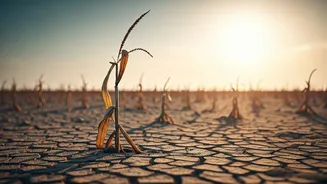
The most immediate costs of a dry spell often show up in your own backyard. That lush, green lawn is one of the first victims. As municipal water restrictions tighten in response to low reservoirs, homeowners face a choice: let the grass go brown, or
pay significantly more for water. The cost of maintaining a vibrant garden skyrockets as you're forced to water more frequently, often during more expensive peak hours. Many turn to drought-resistant landscaping, but the upfront cost for xeriscaping—replacing turf with rocks, mulch, and hardy native plants—can run into the thousands of dollars.But the real budget-buster is often unseen, hiding beneath your feet. Prolonged dry conditions cause soil to shrink and pull away from a home's foundation. This can lead to significant structural problems, including cracks in walls, sticking doors, and, in severe cases, major foundation shifts that require tens of thousands of dollars in repairs. For homeowners, a period of 'weak rains' isn't just an inconvenience; it’s a direct threat to their largest investment.
The Price at the Grocery Store
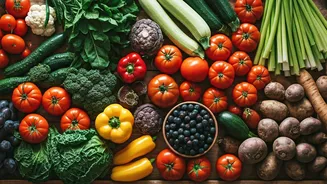
While you may not be a farmer, you certainly buy what they grow. Insufficient rainfall is a direct hit to the agricultural sector, and those costs are passed on to consumers. Key agricultural regions, like California's Central Valley, rely on a delicate balance of rain and snowmelt to irrigate crops that feed the nation. When precipitation is low, farmers must rely more on expensive groundwater pumping or purchase water at premium prices, if it's available at all. These increased production costs translate directly to higher prices for everything from almonds and avocados to lettuce and tomatoes.It’s not just produce. Livestock farming is also heavily impacted. Less rain means less natural grass for grazing, forcing ranchers to buy more hay and feed, the prices of which also increase due to drought. The result is a higher price tag on beef, poultry, and dairy products at your local supermarket. A dry spring in the Midwest can mean more expensive corn, which in turn raises the cost of countless processed foods that use corn syrup and other derivatives.
Your Town's Mounting Tab
Individual households aren't the only ones feeling the pinch; entire communities see their budgets strained. Municipal water departments face a dual challenge during dry spells. First, their primary revenue source—selling water—can paradoxically decline as residents heed conservation warnings. Second, their costs increase as they may need to find and treat alternative water sources, such as deeper wells or even expensive desalination projects. To cover this shortfall and fund necessary infrastructure upgrades, cities often have no choice but to raise water rates for all customers.Furthermore, dry conditions increase the risk of wildfires. Even in areas not directly in the fire zone, municipalities may need to spend more on preventative measures like clearing brush and on maintaining a larger firefighting force. These are public costs, funded by taxes, that rise in direct response to the lack of rain.
The Hidden Costs in Energy and Recreation
The economic impact of weak rains even extends to your utility bill. Many regions, particularly in the Pacific Northwest, rely heavily on hydropower. When river levels drop due to low rain and snowpack, hydroelectric dams produce less electricity. To make up the difference, utilities must turn to more expensive power sources, like natural gas or coal. This increase in generation cost is often passed through to consumers in the form of higher electricity bills or fuel surcharges.And while travel itself is the most obvious casualty, the broader recreation industry also suffers. Low water levels in lakes and rivers can devastate local economies built around boating, fishing, and watersports. Marinas see their docks sitting on mud flats, boat rental businesses close, and restaurants and shops that cater to summer tourists lose their customer base. A canceled fishing trip is a personal disappointment, but for a small town dependent on that seasonal income, it’s an economic crisis.