

More Than Just Old Stuff
When we talk about nostalgia in design, we're not just talking about filling a room with antiques or vintage finds. It’s about the emotional resonance of an object or an atmosphere. In a world that often feels chaotic and hyper-modern, nostalgia offers
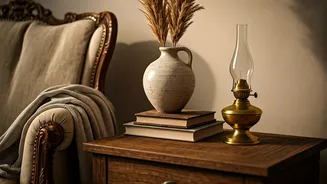
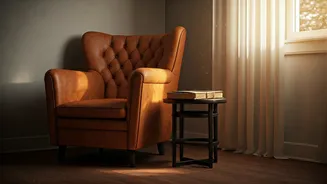
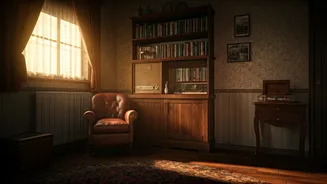
an anchor. It’s the psychological comfort of a memory made tangible. Think of the current obsession with “Grandmacore” or the resurgence of 70s decor; it's less about historical accuracy and more about capturing a feeling of safety, warmth, and simpler times. That worn armchair isn't just a piece of furniture; it's a stand-in for every cozy afternoon spent at your grandparents' house. This is design that soothes the nervous system, creating a sanctuary that feels uniquely, personally yours because it’s built from the fragments of your own story.
Finding Your Personal History
Unlike a catalog-perfect room, a nostalgia-driven space can’t be bought off the shelf. It has to be excavated from your own life. The first step isn’t a mood board; it’s a memory. Close your eyes and think about the places where you’ve felt most at home. Was it the scent of your mother’s baking in a sun-drenched kitchen? The specific shade of deep green in your childhood bedroom? The jumbled, happy chaos of a family lake house? These sensory details are your true style guide. The goal is not to perfectly replicate the past, but to identify the elements that spark a feeling of deep comfort and belonging. This is about curating your own happiness, using your personal history as the ultimate design brief. Your home becomes a living scrapbook of the moments and feelings that shaped you.
Layering in the Memories
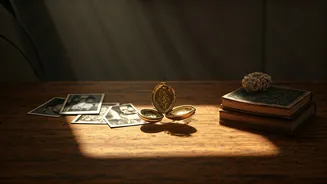
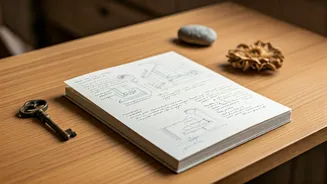
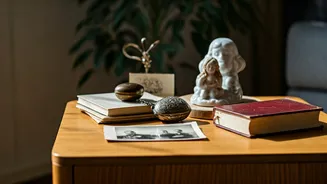
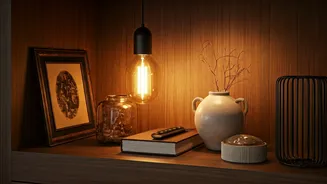
Once you've identified your nostalgic touchstones, the fun begins. The key is to layer them in gently, rather than creating a time-capsule room. Start small. Frame a collection of family recipes and hang them in the kitchen. It’s a beautiful, personal piece of art that tells a story of heritage and love. Did your dad love a particular musician? Hunt down a vintage concert poster or album cover. Use a color palette inspired by a favorite vacation spot. Display a collection that feels meaningful, whether it’s your grandmother's teacups, your childhood collection of seashells, or stacks of books you’ve loved. These aren't just decorations; they are conversation starters and daily reminders of your personal journey. The effect is a space that feels collected and authentic, not decorated.
Embrace Imperfect Charm
Nostalgia’s biggest gift to design is permission to be imperfect. The things we love from our past are rarely flawless. The favorite quilt has a patch. The wooden table has a water ring from a forgotten glass of lemonade. The ceramic mug has a tiny chip on the rim. These imperfections are part of the story. In an age of mass production and flawless finishes, embracing the worn, the mended, and the slightly faded is a quiet rebellion. It says that history matters more than perfection. So, don't be afraid to display that slightly goofy school portrait or use the mismatched silverware you inherited. These items have a warmth and character that new things simply can't replicate. They prove the home is lived-in, loved, and real.
Engage All the Senses
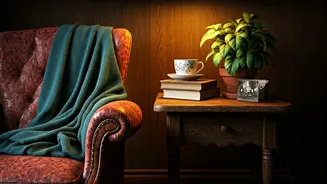
A truly nostalgic environment goes beyond the visual. Think about how you can incorporate sound, scent, and touch. A scent can be the most potent time machine of all. Find a candle that smells like a Christmas tree from your childhood or the specific floral scent of a family garden. Create a playlist of songs that were the soundtrack to a formative time in your life and play it on a vintage-style record player. For touch, focus on textures that feel familiar and comforting—a nubby wool blanket, a soft velvet cushion, a sturdy linen tablecloth. These sensory layers work together to create a deeply immersive and comforting atmosphere that a purely visual design can never achieve. It’s the final, softest touch in making a house feel like home.