







The Traditional Lunchbox Dilemma
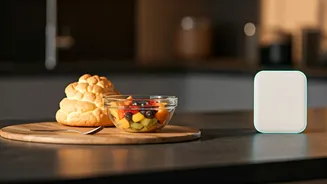
For generations of South Asians in America, the lunchbox was a non-negotiable link to home. It was often a stainless-steel ‘tiffin’ packed with the morning’s labor: warm roti or paratha, a portion of dal (lentils), a sabzi (vegetable curry), and perhaps
a side of rice or yogurt. These meals are nutritionally balanced, delicious, and deeply comforting. But in the fast-paced, open-plan world of American corporate life, they come with logistical baggage. The preparation is time-consuming, a luxury many dual-income households can’t afford. Then there’s the office politics of scent. The fragrant aroma of cumin, coriander, and garam masala, so welcome in a home kitchen, can feel conspicuous in a sterile office environment, leading to self-consciousness. Finally, these traditionally carb-rich meals can often lead to a post-lunch slump, the enemy of afternoon productivity and back-to-back meetings.
Enter the Efficiency Mindset
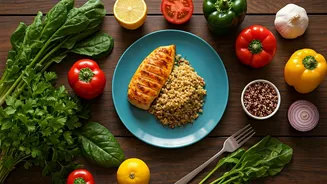
Parallel to this quiet lunch dilemma, a different food culture has been taking over the American workplace: the religion of optimization. Fueled by Silicon Valley bio-hacking and general wellness trends, the new ideal for a work meal is not comfort, but fuel. It’s about quantifiable metrics: How many grams of protein? What’s the net carb count? Is it keto-friendly? This data-driven approach to eating resonates powerfully with the analytical mindset common in corporate fields like tech, finance, and consulting, where many Desi professionals have built successful careers. The goal is no longer a satisfying meal, but sustained energy and peak mental performance. The language of food has shifted from flavor profiles to macronutrient ratios.
The Protein Bar as a Cultural Bridge
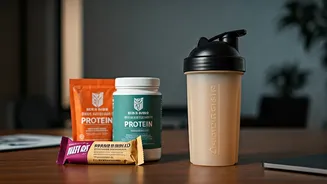
This is where grab-and-go protein becomes the hero of the story. Protein bars, ready-to-drink shakes, and high-protein Greek yogurt cups are the perfect answer to the modern Desi professional’s needs. They require zero prep time, can be consumed discreetly at a desk in under five minutes, have no lingering odor, and deliver a clean, measurable dose of the day’s most prized macro: protein. They effectively solve every single problem presented by the traditional lunchbox. This isn't just about choosing a Quest Bar over aloo gobi; it's a strategic cultural and professional choice. It’s an embrace of an American workplace norm that prioritizes efficiency above all else, allowing individuals to blend in seamlessly while meeting their personal health goals.
An Upgrade, Not a Replacement
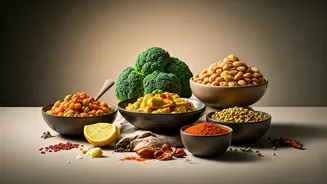
The term ‘upgrade’ might seem harsh, as if it’s casting judgment on the rich culinary heritage of South Asia. But for many, this shift isn't about abandonment. Instead, it’s about strategic compartmentalization. By outsourcing the midday meal to the world of convenient protein, professionals free up time and mental energy. This allows them to save the elaborate, traditional cooking for dinner and weekends—times when food can be properly savored with family, without the pressure of a looming deadline or the subtle judgment of the office microwave line. In this context, the protein bar isn't replacing the home-cooked meal; it's protecting it. It ensures that those cherished food traditions remain a source of joy and connection, rather than a daily logistical burden. The corporate diet is ‘upgraded’ for efficiency, which in turn preserves the integrity of the home diet.