





From the Stars to the Soil
So, what exactly is Mithuna Sankranti? In simple terms, it’s an astronomical event. Vedic astrology divides the sun's path into twelve zodiac houses, and a ‘Sankranti’ marks the moment the sun transitions from one house to the next. Mithuna Sankranti occurs
when the sun enters Mithuna, the zodiac sign of Gemini, which typically happens around mid-June. While many cultures note these celestial shifts, in parts of India, this specific transit signals the start of the monsoon season and kicks off a multi-day festival deeply connected to agriculture, nature, and community. It’s a moment when the cosmos feels incredibly close, directly influencing life on the ground.
A Celebration of Earth and Femininity
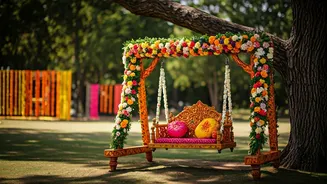
In the eastern state of Odisha, Mithuna Sankranti is the heart of a three-day festival called Raja Parba (pronounced Raw-jaw Par-baw). The belief is that during this time, Mother Earth, or Bhudevi, undergoes her annual menstruation. This beautifully symbolic concept frames the earth as a fertile woman who needs rest to prepare for the coming agricultural season. Consequently, all activities that might ‘hurt’ her are paused. There’s no plowing, no tilling, no digging. It’s a system-wide holiday for the land itself. This respect extends to the women of the household, who are also encouraged to rest, wear new clothes, play on swings, and enjoy themselves, freed from their daily chores in a celebration of femininity and future fertility.
The Ingenuity of a No-Cook Holiday
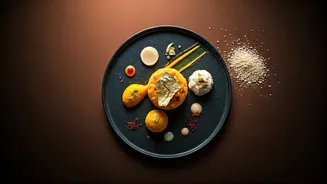
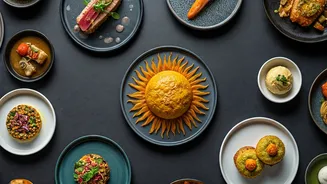
If no one is supposed to work—and that includes cooking—how does everyone eat? This is where the culinary genius comes in. In the days leading up to Raja Parba, kitchens are buzzing with activity as families prepare a variety of foods that can be enjoyed for several days without requiring fresh cooking. This practical necessity has given rise to a whole category of special festival foods, particularly different kinds of ‘pitha.’ These are essentially cakes or dumplings, which can be steamed, fried, or baked, and come in both sweet and savory forms. The entire festival menu is a masterclass in planning, designed to facilitate rest and celebration while still ensuring everyone is exceptionally well-fed.
The Star of the Show: Poda Pitha
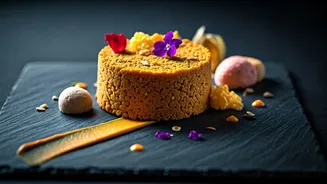
Among the dozens of pithas, one stands supreme during Raja Parba: Poda Pitha, which translates to ‘burnt cake.’ But don't let the name fool you; this isn't a kitchen mistake. It’s a delectable, slow-baked cake made from a batter of ground rice and black gram, sweetened with jaggery (unrefined cane sugar), and enriched with coconut, cardamom, and sometimes cashews or raisins. Traditionally, the batter was wrapped in banana leaves and slow-cooked in an earthen hearth overnight, buried in embers. This process gives the cake a slightly burnt, caramelized crust on the outside while the inside remains moist, soft, and fragrant. Each family has its own slight variation, a treasured recipe passed down through generations. Enjoying a slice of Poda Pitha is tasting the very essence of the festival.
A Tapestry of Regional Flavors
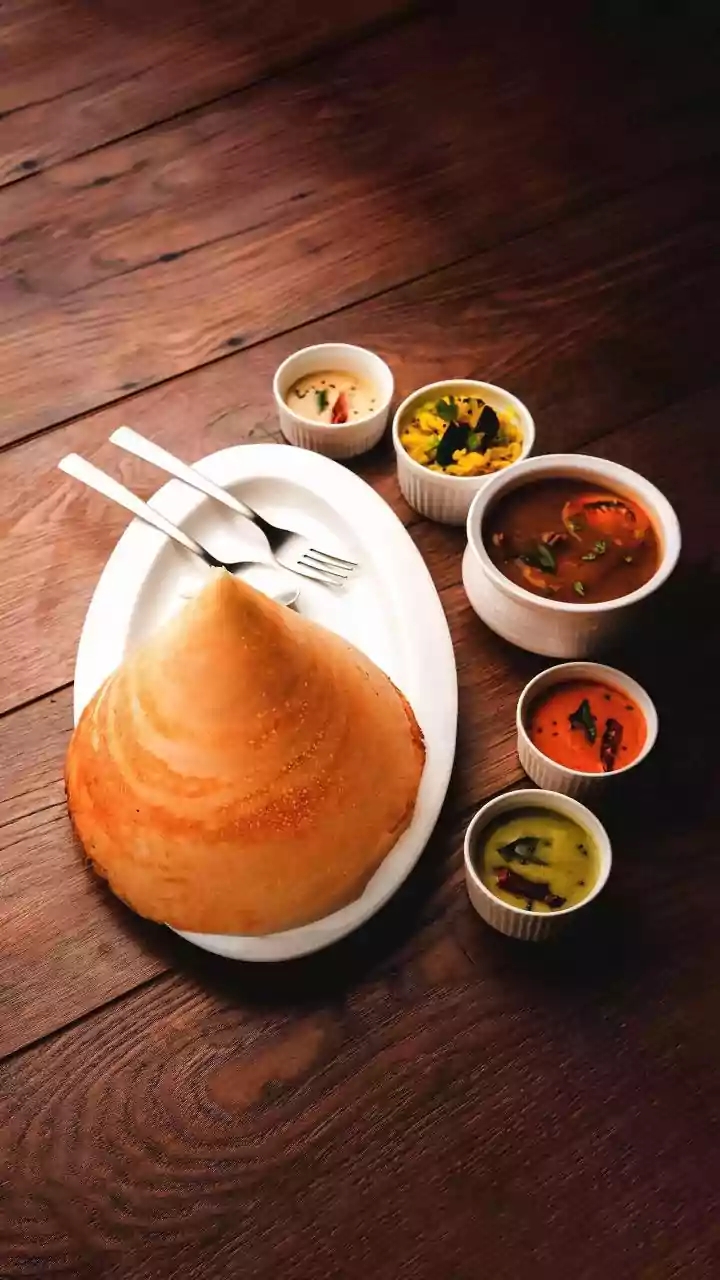
While Odisha’s Raja Parba is the most famous celebration tied to Mithuna Sankranti, the solar transition is observed with unique culinary traditions in other regions as well. In parts of South India, the day might be marked with special rice-based dishes or sweets that honor the changing season. These aren't so much ‘experiments’ in the modern sense but are time-tested recipes that represent each region’s unique agricultural bounty and cultural identity. From sweet rice puddings to savory lentil preparations, the foods eaten during this period are a delicious reflection of a shared astronomical event interpreted through a local lens. It's a reminder that food is more than just sustenance; it's a story of who we are, where we come from, and our relationship with the world around us.