






The Magic of the Surprise Bloom
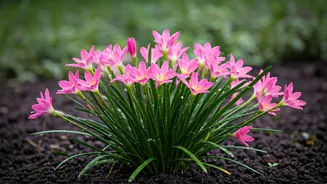
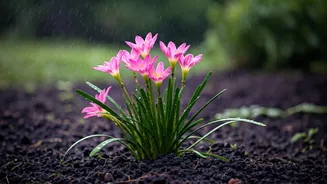
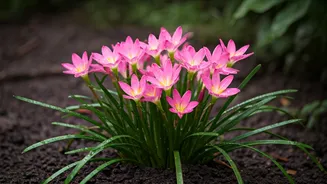
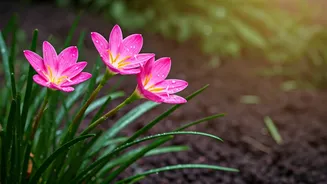
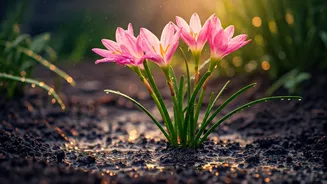
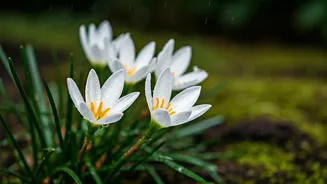
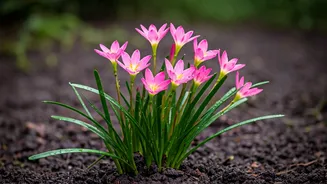
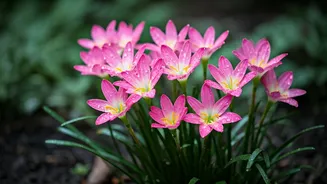
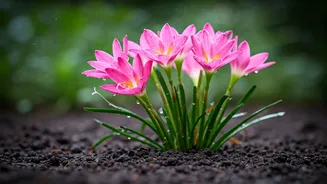
Imagine this: your garden, refreshed from the rain, looks much the same as it did the day before. But then, seemingly out of nowhere, you spot them. Delicate, crocus-like flowers on slender stems, studding the landscape in pops of white, pink, or yellow.
This isn't a dream; it's the signature move of the rain lily. These flowers are masters of the dramatic entrance. One day you have nothing but grassy foliage, and the next—often just 24 to 48 hours after a soaking rain—you have a carpet of blooms. This sudden, ephemeral beauty is what gives them their almost mythical reputation and names like fairy lily, zephyr lily, and storm lily. They are nature’s ultimate surprise party, a fleeting reward for enduring the heat.
What Exactly Are Rain Lilies?
The stars of this sudden show belong to the genus *Zephyranthes*, a group of perennial bulbs native to the Americas. Despite their common name, they aren't true lilies but are actually members of the amaryllis family. Their foliage is often fine and grass-like, making them easy to overlook for much of the year. This is part of their charm; they blend in quietly, demanding little, until the conditions are just right for their stunning performance. The bulbs act as underground storage units, holding all the energy needed to push up a flower stalk at a moment's notice. This efficient design is what allows them to capitalize on the rain so quickly, ensuring their moment in the sun before the ground dries out again.
The Science Behind the Spectacle
While it feels like pure magic, there is some clever botanical science at play. Rain lilies are adapted to climates with distinct wet and dry seasons. During dry periods, the bulbs lie dormant deep in the soil, conserving energy and waiting for a signal. A heavy drenching of rain provides that signal. The influx of water, combined with the change in soil temperature, triggers a hormonal response in the bulb, essentially screaming, "It's go time!" This biological alarm clock prompts the bulb to rapidly send up a flower stalk and bloom, a survival strategy designed to maximize the chances of pollination and seed production during a brief window of favorable conditions. It's less magic and more a brilliant evolutionary trick for thriving in a boom-or-bust water economy.
Bringing This Magic to Your Garden
The best part about rain lilies is that they are incredibly easy to grow, asking for very little in exchange for their spectacular show. They thrive in USDA zones 7-11 and are perfect for gardeners looking for a high-impact, low-effort plant. Simply plant the small bulbs in the fall or spring, about one to two inches deep in a spot that gets full to partial sun. The single most important requirement is well-draining soil; like most bulbs, they will rot if left in standing water. Once established, they are remarkably drought-tolerant and will happily wait for the rain. You can also trigger a bloom cycle yourself by giving them a deep watering after a dry spell, though there’s something special about letting nature time the show.
Top Varieties and Design Ideas
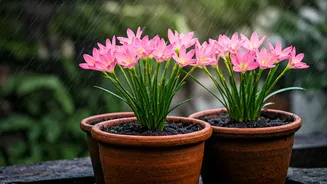
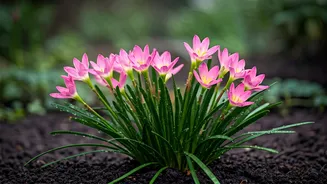
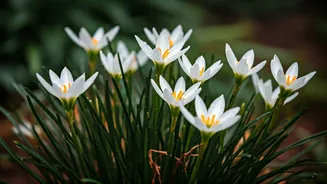
There are several popular species to choose from. *Zephyranthes candida*, the white rain lily, is a robust and prolific classic. *Zephyranthes grandiflora* offers larger, vibrant pink blooms, while *Zephyranthes citrina* provides a cheerful splash of bright yellow. Don't be afraid to mix them. Because of their fine foliage and modest size, they are perfect for planting in generous drifts along borders, tucking into rock gardens, or even naturalizing in a lawn that isn't mowed too frequently. They also perform beautifully in containers, where you can appreciate their sudden appearance up close on a patio or balcony. Plant them in large numbers for the most dramatic effect; a single rain lily is lovely, but a hundred appearing overnight is an unforgettable event.