
More Than Just a Mango
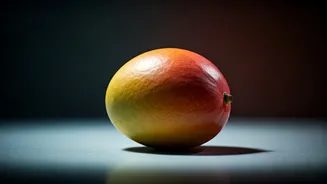
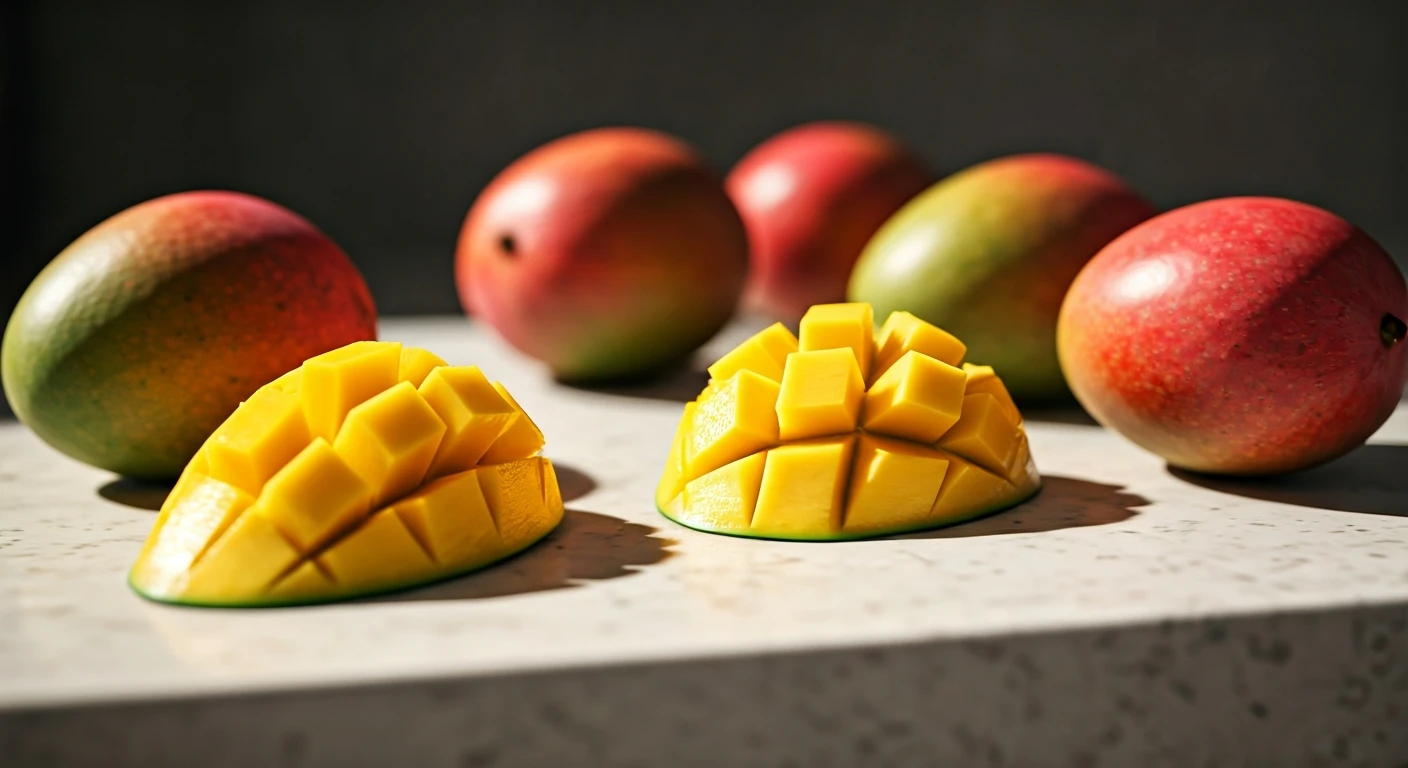
If your primary experience with mangoes involves the firm, stringy, and mildly sweet red-and-green varieties common in American supermarkets (likely the Tommy Atkins), then your first taste of an Indian mango is a revelation. The most prized among them,
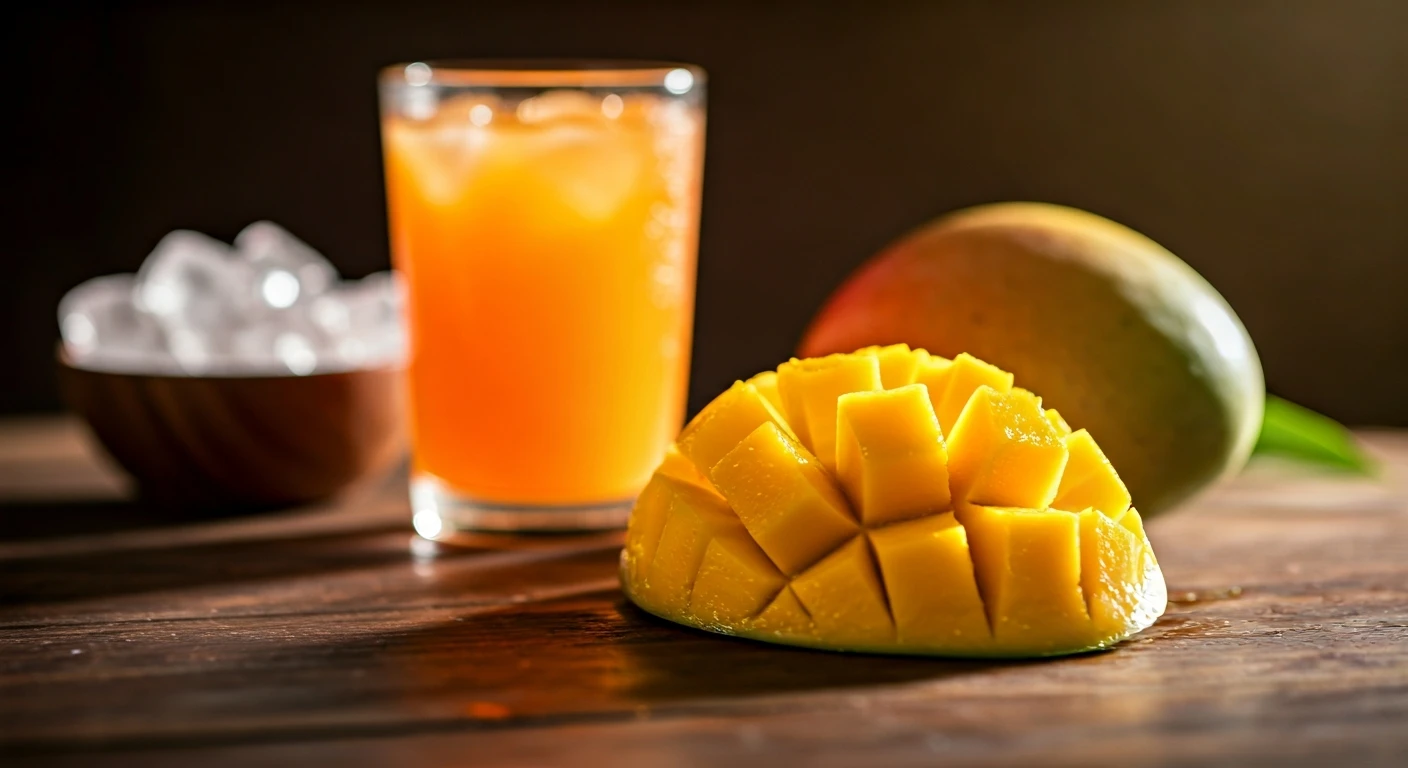
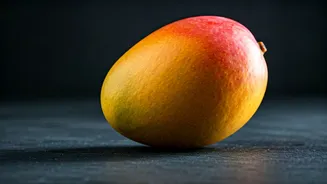
the Alphonso, is a different beast entirely. Its skin is a delicate saffron yellow, its flesh is buttery and completely fiberless, and its flavor is a complex explosion of honey, citrus, and a floral perfume that lingers long after the last bite. It doesn't just taste like a mango; it tastes like the *idea* of a mango, perfected. Other varieties, like the intensely fragrant Kesar or the uniquely sweet Langra, each offer a distinct personality. This isn't a single product, but a whole category of fruit, each with a terroir and heritage as complex as that of fine wine.
A Long Journey to America
So if these mangoes are so good, why were they missing from U.S. shelves for so long? The answer is a tiny, persistent pest: the fruit fly. For decades, starting in 1989, the U.S. Department of Agriculture (USDA) banned the import of Indian mangoes over concerns that non-native pests could hitch a ride and devastate American agriculture. The ban became a point of contention in trade diplomacy, a small but symbolic barrier between the two nations. The breakthrough finally came in 2007, when the countries agreed on a solution: low-dose irradiation. Before being shipped, the mangoes pass through a specialized facility where they are zapped with cobalt-60 gamma rays. This process, approved by the FDA and USDA, effectively sterilizes any potential pests without making the fruit radioactive or compromising its iconic taste and texture. This scientific handshake reopened the door for the "king of fruits" to finally make its official U.S. debut.
The Culture of a Fruit
In India, the mango is more than a snack; it's a cultural institution. Its arrival each spring signals the end of the harsh winter and the beginning of a season of joy. It’s woven into art, poetry, and religious traditions. Families have fiercely held loyalties to specific varieties and even particular orchards. Gifting a box of the season’s first Alphonso mangoes is a gesture of deep respect and affection. The annual mango harvest is a time of celebration, with every part of the fruit being used, from unripe green mangoes for pickles and chutneys to the sweet, ripe flesh for desserts like *aamras* (mango pulp) or simply eaten fresh, with juice dripping down to the elbows. For the vast Indian diaspora in the U.S., the return of these mangoes was more than a culinary event; it was a taste of home, a potent symbol of nostalgia and cultural pride that could finally be shared with their neighbors.
The Price of Perfection
Finding these mangoes often means a trip to a specialty Indian grocery store or a high-end market, and they come with a price tag to match. A single Alphonso can cost anywhere from $5 to $10, and a box can easily run upwards of $50. This isn't just marketing hype. The cost reflects a complex and delicate supply chain. The fruit has a very short season, typically from late March to June. They must be picked at the perfect stage of ripeness, carefully transported to the irradiation facility, undergo the treatment, clear customs, and then be air-freighted to the U.S. to ensure they arrive in pristine condition. The expense of the irradiation process and the high cost of air shipping contribute significantly to the final price. For connoisseurs, however, the price is a small barrier to entry for an experience that is seasonal, fleeting, and utterly unforgettable.