





The Bathroom Counter Goes to the Dogs
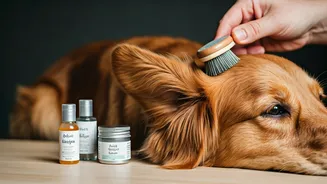
Once confined to medicated shampoos for fleas and ticks, the world of pet grooming has exploded into a full-fledged skincare aisle. We’re talking snout balms with shea butter, paw soothers infused with vitamin E, and even dog-safe sunscreens for those
long days at the park. This isn't just about a 'spa day' for your pet; it's the logical endpoint of the 'pet humanization' trend that has seen our furry companions elevated from backyard dwellers to cherished family members who sleep in our beds and have their own Instagram accounts. Market data backs this up. The American Pet Products Association reports that owners are spending more than ever on their pets, with the wellness category—encompassing everything from premium foods to, yes, skincare—seeing explosive growth. Companies are launching entire lines dedicated to pet cosmetology, borrowing language directly from the human beauty industry with promises of 'hydration,' 'protection,' and 'soothing relief.'
Why Now? It's All About Us
The boom in pet skincare is a perfect mirror of our own cultural anxieties and priorities. As millennials and Gen Z, who grew up with the language of self-care, become the dominant group of pet owners, they are projecting their wellness values onto their animals. If a ten-step routine is good for their own skin, the thinking goes, then their beloved French bulldog, prone to dry nose, surely deserves a little TLC, too. Social media plays an enormous role. A cute dog is one thing; a cute dog enjoying a luxurious 'pawdicure' is primo content. Influencers in the pet space have created a powerful visual marketplace where pampering is normalized and even celebrated as a sign of responsible, loving ownership. It taps into a powerful emotional driver: the desire to nurture and provide the absolute best for a creature who offers unconditional love.
The Vet's Verdict: Need vs. Niche
So, is this all just clever marketing preying on our emotions? Not entirely. Veterinarians and veterinary dermatologists are quick to point out that some animals have legitimate skin health needs. Many breeds are prone to allergies, dry skin, hot spots, or cracked paws and noses (a condition known as hyperkeratosis). For these pets, specialized moisturizers and balms can provide genuine relief and improve their quality of life. Sun protection is also a real concern, especially for light-colored or thin-coated animals who can be susceptible to sunburn and skin cancer. However, vets also issue a strong word of caution. The single most important rule is never to use human skincare products on your pet. Many ingredients that are perfectly safe for us—like zinc oxide (found in many sunscreens and diaper creams) or certain essential oils—are toxic to dogs and cats if ingested, which is highly likely when they groom themselves. The key is to distinguish between a medical need and a desire to pam-purr. Your cat probably doesn't need an anti-aging serum, but your dog's cracked paws might benefit from a vet-approved balm.
How to Be a Smart Pet Parent
Navigating this new market requires a discerning eye. If you believe your pet could benefit from a skincare product, the first step should always be a conversation with your veterinarian. They can help diagnose the underlying issue—is it a simple dryness, or a sign of a larger allergy or medical condition?—and recommend products that are safe and effective. When shopping, read labels carefully. Look for pet-specific formulas from reputable brands. Avoid products with artificial fragrances, harsh chemicals, and ingredients known to be toxic to animals. Simple, natural ingredients like shea butter, coconut oil, and calendula are often found in safe formulations, but 'natural' doesn't always mean safe, so expert guidance is paramount. The goal should be to enhance your pet's comfort and health, not just to participate in a trend.