




More Than Just Taste
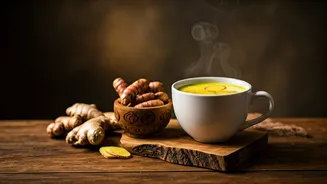
So, what exactly are functional flavours? Think of them as ingredients on a mission. They’re not just there to make your food taste good; they’re selected for their perceived health benefits. We're talking about the vibrant yellow of turmeric, known for its anti-inflammatory
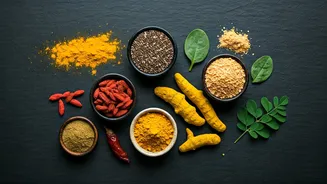
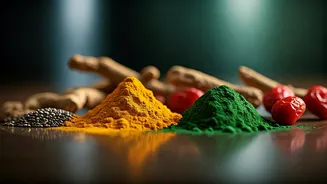
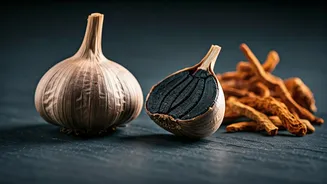
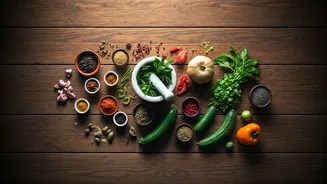
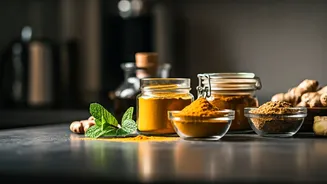
properties; the earthy notes of ashwagandha, an adaptogen believed to help the body manage stress; and the rich depth of lion's mane mushroom, touted for cognitive support. This isn't about simply sprinkling cinnamon on oatmeal. It's about consciously incorporating ingredients like ginger, maca root, moringa, and even certain types of algae like chlorella and spirulina into daily routines. The goal is to make every sip and every bite work a little harder for your well-being, transforming a simple meal into an act of strategic self-care.
The Kitchen as a Status Symbol
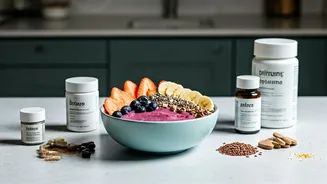
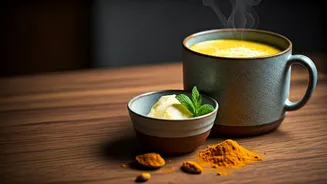
Here's where the 'flex' comes in. For a generation fluent in the visual language of TikTok and Instagram, wellness isn't just a private practice—it's a shareable aesthetic. A carefully curated pantry shelf, lined with aesthetically pleasing jars of exotic powders and dried roots, is the new 'shelfie.' Crafting a brightly colored turmeric latte or a deep green smoothie isn't just about the health benefits; it’s a low-key performance of competence and care. It signals you’re in the know, prioritizing your health in a sophisticated, photogenic way. In a world saturated with hyper-processed foods, having a kitchen stocked with 'clean,' powerful, and slightly obscure ingredients from nature is a way to signal taste, knowledge, and a commitment to a certain lifestyle. It’s a quiet rebellion against the convenience culture of previous generations.
Ancient Roots, Modern Feeds
While the trend might feel brand new, the ingredients themselves are anything but. Many of these functional powerhouses have been staples in traditional medicine systems for centuries. Ashwagandha and turmeric are cornerstones of Ayurveda, the ancient Indian system of medicine. Medicinal mushrooms have long been used in traditional Chinese medicine. What Gen Z is doing is not discovering these ingredients, but rather re-contextualizing them for the digital age. They are pulling ancient wisdom out of traditional texts and into their daily lives, often learning about them through a 60-second TikTok video or an influencer’s 'What I Eat in a Day' post. This fusion of ancient practice and modern wellness culture creates a powerful narrative: one that feels both grounded in history and perfectly tailored for contemporary life.
Why Now? The Wellness Generation
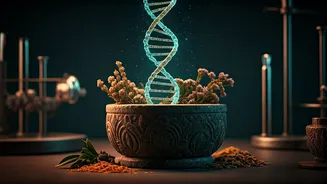
The rise of functional flavours is a direct reflection of Gen Z's unique relationship with health. Having grown up online, they are hyper-aware of wellness information (and misinformation) and show a deep-seated skepticism toward large corporations and the processed food industry. They crave authenticity and control. Functional ingredients offer a tangible way to exert that control—a DIY approach to health that feels more personal and transparent than simply taking a multivitamin. This is the 'food as medicine' philosophy made accessible. It’s less about treating sickness and more about proactive optimization: boosting focus before studying, calming anxiety after a long day, or supporting gut health. It’s a form of bio-hacking for the masses, stripped of its Silicon Valley jargon and remade into a warm, inviting, and highly Instagrammable ritual.