








So, What Makes a Jump Rope 'Smart'?
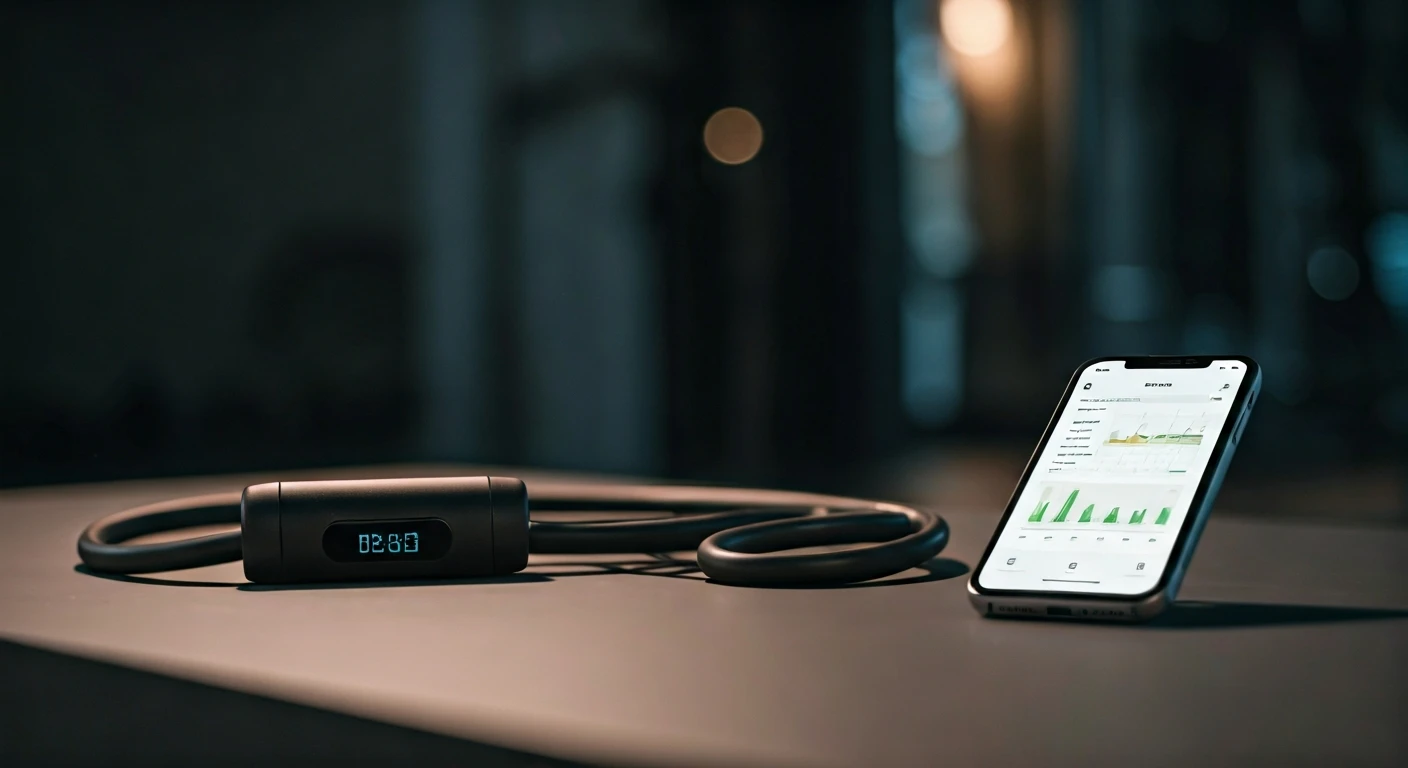
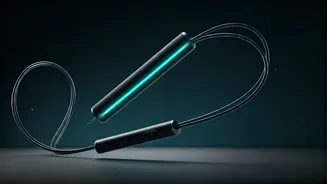
At first glance, a smart jump rope looks a lot like its classic counterpart. It’s a rope with two handles. The magic, however, is packed inside those handles. At their core, smart jump ropes use magnetic sensors to detect each full rotation of the rope.
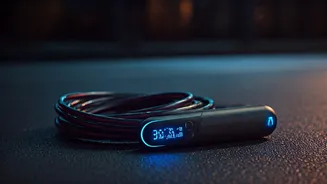
This allows them to do something your old plastic rope could never do: count your jumps automatically and with near-perfect accuracy. But the 'smart' part goes much further than simple counting. Most of these devices connect via Bluetooth to a dedicated app on your smartphone. This app becomes your workout dashboard, logging not just your jump count, but also your session duration, estimated calories burned, and even trip-ups. Some advanced models embed tiny LED lights in the rope itself, making the jump count appear to float in mid-air in front of you as you skip. It’s a futuristic feature that feels straight out of a sci-fi movie, designed to keep your eyes up and your form correct instead of staring at a phone screen.
The Gamification of Cardio
The real reason smart jump ropes are gaining traction isn’t just the data—it's the motivation. For many, the monotony of cardio is the biggest barrier to consistency. Skipping in place while staring at a garage wall gets old fast. Smart ropes transform this solitary activity into an interactive experience.
Their companion apps are built around gamification. You can participate in guided interval workouts, where a virtual coach tells you when to speed up and when to rest. You can unlock achievement badges for hitting milestones, like your first 1,000-jump session. Many apps feature leaderboards, letting you compete against friends or other users around the world. Suddenly, you’re not just jumping; you’re trying to beat your personal best, climb a global ranking, or complete a 30-day challenge. This layer of engagement and community provides the digital nudge that many people need to turn a sporadic habit into a consistent routine.
Classic vs. Connected: The Trade-Offs
So, should you toss your old $10 rope? Not so fast. The classic jump rope still holds some major advantages. First is its beautiful simplicity and durability. A standard PVC or leather rope can be thrown in a gym bag, stepped on, and left in a car with zero consequences. It requires no batteries, no charging, no Bluetooth pairing, and no software updates. Its second advantage is cost. A high-quality speed rope can be had for under $20, while smart ropes typically start around $40 and can climb well over $100 for premium models with weighted handles and advanced features.
The smart rope’s value proposition is data and motivation. If you’re the kind of person who lives by your fitness tracker’s metrics and thrives on seeing measurable progress, a smart rope can be a game-changer. Knowing your exact jump speed (jumps per minute) or seeing your calorie burn in real-time can push you to work harder. For beginners who struggle with consistency, the app-based challenges and guided workouts provide a structure that a simple rope can't offer.
Is the Upgrade Right for You?
Deciding whether to invest in a smart jump rope comes down to your personality and fitness goals. Ask yourself what currently holds you back in your cardio routine.
If your main problem is boredom and a lack of motivation, the answer is likely yes. The interactive features can provide the hook you need to stick with it. If you are a data-driven athlete looking to optimize your performance—tracking interval speeds, endurance, and consistency—a smart rope is an invaluable training tool.
However, if you’re a purist who loves the meditative rhythm of jumping and finds apps and notifications distracting, the classic rope remains undefeated. If you just need a quick, no-fuss tool to get your heart rate up for 10 minutes, the added tech might feel more like a chore than a feature. The 'best' jump rope isn’t about the technology; it’s about the one you’ll actually use.