



The New Rules of Eating
It starts subtly. You see a TikTok video about adding adaptogenic mushroom powder to your latte for 'clarity.' Then a friend swaps her Diet Coke for a can of Poppi, citing its benefits for 'gut health.' Before you know it, you’re staring into your pantry,
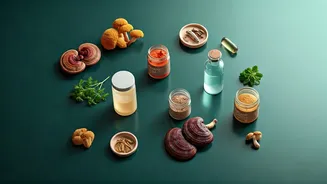
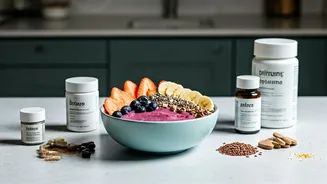
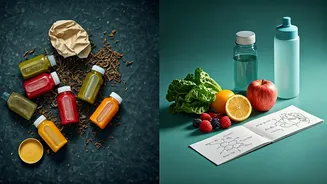
wondering if your simple bowl of oatmeal is a missed opportunity. This is the wellness side quest: the pervasive belief that every food and drink item can—and should—be upgraded with a functional ingredient. It’s no longer enough for food to provide energy or pleasure. Now, it must also deliver clearer skin, a balanced microbiome, reduced inflammation, or enhanced focus. The meal itself has become secondary to the mission it accomplishes. Your smoothie isn’t just fruit and yogurt; it’s a delivery system for sea moss gel. Your water isn’t for hydration; it’s a canvas for electrolyte powders and liquid chlorophyll. This gamification of eating turns every plate into a checklist of bio-hacks.
From Your Plate to Your Feed
This trend isn’t happening in a vacuum; it’s being amplified and accelerated by social media. The wellness side quest is perfectly formatted for the visual, aspirational world of Instagram and TikTok. The ritual of scooping vibrant green powder into a glass, the satisfying stir of collagen peptides dissolving into coffee, the aesthetic lineup of pastel-canned 'healthy' sodas—it’s all highly shareable content. Influencers post 'What I Eat in a Day' videos that aren’t just about food, but about the meticulous curation of wellness-boosting additives. These posts create a powerful feedback loop. We see someone with glowing skin attribute it to their daily scoop of AG1, and the connection is instantly made in our minds. The algorithm rewards this content, pushing it into more feeds and normalizing the idea that a 'naked' meal is somehow incomplete or lazy. It’s a performance of health, a public declaration that you are actively working on yourself, one supplemented meal at a time.
The Billion-Dollar Boost
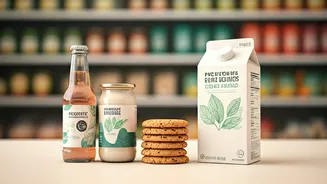
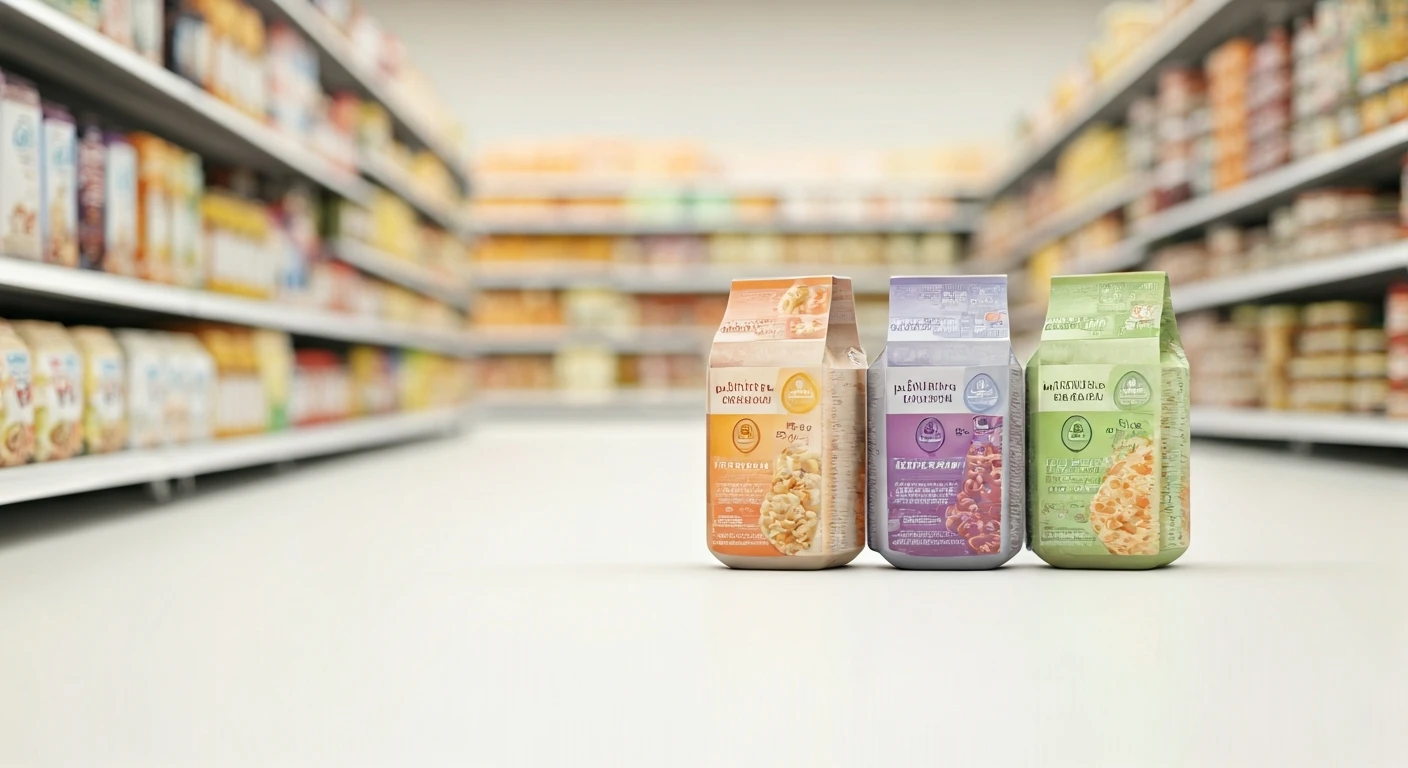
Where there’s a cultural anxiety, there’s a market ready to sell a solution. The global functional foods market is a multi-hundred-billion-dollar industry and growing rapidly. Brands are no longer just selling food; they're selling optimization in a jar. The language is intentionally vague yet alluring: 'boost,' 'support,' 'balance,' 'detox.' These terms exist in a gray area, often without needing the rigorous scientific backing required for medical claims. It’s a brilliant marketing strategy that taps into a desire for self-improvement. Companies have successfully reframed these additives not as niche supplements for the ultra-health-conscious, but as essential, everyday upgrades for anyone who wants to feel better. They’ve turned a simple grocery run into a series of strategic decisions: Do you buy the regular pasta, or the chickpea pasta with more protein? The plain yogurt, or the one fortified with extra probiotics? This constant upselling has made 'good enough' feel like a failure.
A Quest for Control
Ultimately, the obsession with wellness side quests is about more than just health; it’s about control. In a world filled with economic uncertainty, political division, and ambient anxiety, micromanaging the nutrients in our food offers a tangible sense of agency. You may not be able to control global events, but you can control whether your afternoon snack is fighting free radicals. This impulse is deeply human. The problem arises when this quest for control becomes another source of stress. The pressure to optimize every meal can lead to food anxiety, orthorexic tendencies, and a strained relationship with eating. It can also be an expensive habit, creating a class divide between those who can afford the latest wellness powders and those who can’t. The constant search for a magic bullet in a supplement jar distracts from the less glamorous, but far more effective, foundations of health: balanced meals, consistent sleep, regular movement, and social connection.