


The Rise of the Edible Balcony
In cities across America, a quiet revolution is taking place a few stories up. The humble balcony, long the domain of dusty furniture and forgotten bicycles, is being reclaimed as a productive green space. This isn't about elaborate, prize-winning horticulture.
It's about something far more practical and satisfying: growing your own food. Fueled by a desire for freshness, concerns over grocery prices, and a post-pandemic craving for tangible, grounding hobbies, urbanites are embracing container gardening like never before. The trend isn't just a niche quirk; it reflects a broader shift in how we think about our food sources and personal spaces. It’s about empowerment—the simple, profound act of cultivating a salad from a handful of seeds on a 4x6 foot patch of concrete.
Why Lettuce and Tomatoes Reign Supreme
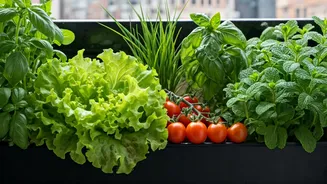
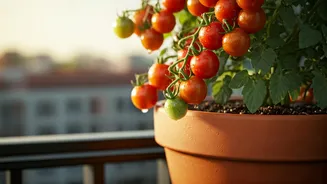
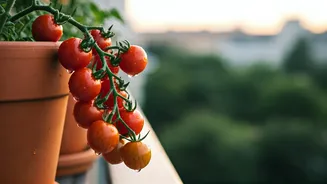
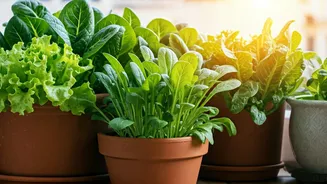
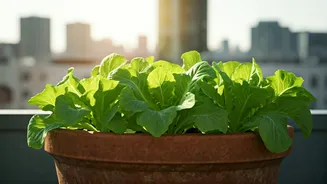
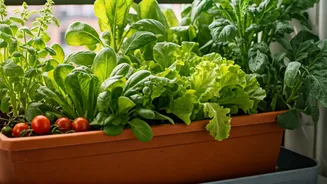
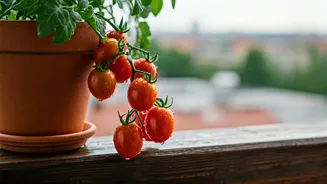
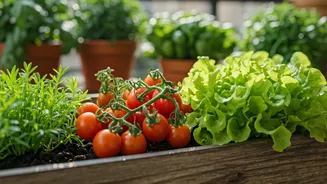
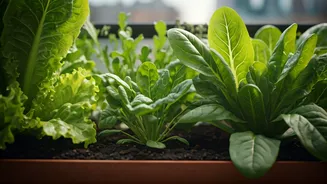
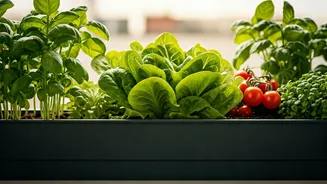
Walk past any apartment building in the summer, and you’re likely to spot two specific stars of this movement: trailing cherry tomato vines and leafy heads of lettuce. There’s a good reason these two have become the unofficial mascots of balcony farming. They are, in a word, forgiving. Cherry tomatoes are famously prolific and well-suited to container life, rewarding even novice gardeners with hundreds of sweet, sun-ripened fruits from a single plant. They deliver that unmistakable taste of summer that store-bought versions can rarely match. Loose-leaf lettuce varieties, meanwhile, are the gift that keeps on giving. They grow quickly and can be harvested leaf by leaf—a method called 'cut and come again'—providing a steady supply for salads and sandwiches over several weeks. Unlike fussy crops that require perfect conditions, these two offer a high rate of return for minimal fuss, building a gardener’s confidence with every harvest.
Your Balcony, Your Grocery Aisle
The idea of starting a garden can feel intimidating, but the barrier to entry for a balcony setup is surprisingly low. You don't need a sprawling yard, just a few key elements. First, assess your light. Most vegetables, including tomatoes, need at least six hours of direct sunlight. If you have a shadier spot, focus on lettuce and other leafy greens. Next, think containers. A five-gallon bucket or pot is perfect for a single tomato plant, while a rectangular window box can host a dense patch of lettuce. Ensure any container has drainage holes. Good soil is non-negotiable; don't just dig up dirt from a park. Buy a quality potting mix designed for containers—it's lightweight and formulated to retain moisture while preventing compaction. Finally, the most crucial step: watering. Container soil dries out much faster than garden beds, so plan to water daily, especially during hot weather. The best way to check is to stick your finger an inch into the soil; if it feels dry, it's time to water.
Beyond the First Harvest
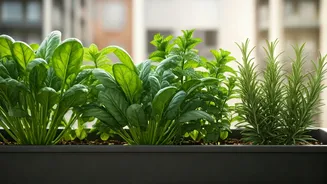
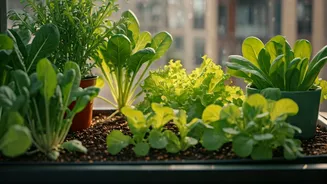
Once you taste your first homegrown tomato or build a salad with lettuce you picked minutes earlier, you’ll be hooked. The beauty of balcony gardening is its scalability. What starts with one tomato plant can easily expand. Herbs are the perfect next step. Basil, mint, parsley, and rosemary thrive in pots and offer incredible flavor-to-space value. A single basil plant, placed next to your tomatoes (they're great companions), can elevate countless summer meals. Bush beans, spinach, and even compact varieties of peppers or cucumbers are also excellent container candidates. The key is to read plant tags and look for words like 'patio,' 'dwarf,' or 'determinate,' which indicate varieties bred specifically for smaller spaces. Your balcony might not replace the grocery store entirely, but it can become a vibrant, rewarding, and delicious supplement to it.