




The Tyranny of the Checklist
For decades, travel was defined by a checklist. See the Eiffel Tower, check. Walk the Colosseum, check. Get the photo at Machu Picchu, check. Social media amplified this into a competitive sport, turning personal journeys into public performances. The
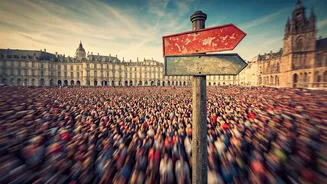
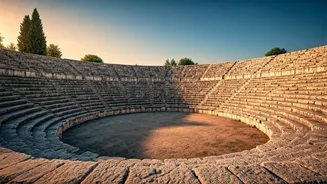
result is a phenomenon known as “overtourism,” where the sheer volume of visitors fundamentally degrades the experience—not just for tourists, but for the locals who call these places home. For decades, travel was defined by a checklist. See the Eiffel Tower, check. Walk the Colosseum, check. Get the photo at Machu Picchu, check. Social media amplified this into a competitive sport, turning personal journeys into public performances. The result is a phenomenon known as “overtourism,” where the sheer volume of visitors fundamentally degrades the experience—not just for tourists, but for the locals who call these places home. The pressure to visit these “must-see” sites simultaneously has created bottlenecks of humanity. We stand in line for hours to spend a few fleeting, cramped moments in a space that was meant to inspire awe but now induces anxiety. This isn't travel; it's fulfillment of a cultural obligation. The luxury we thought we were buying with a plane ticket is lost in the crush. The real cost isn’t just the money, but the quiet moment of connection that never had a chance to happen.
The Science of Serenity
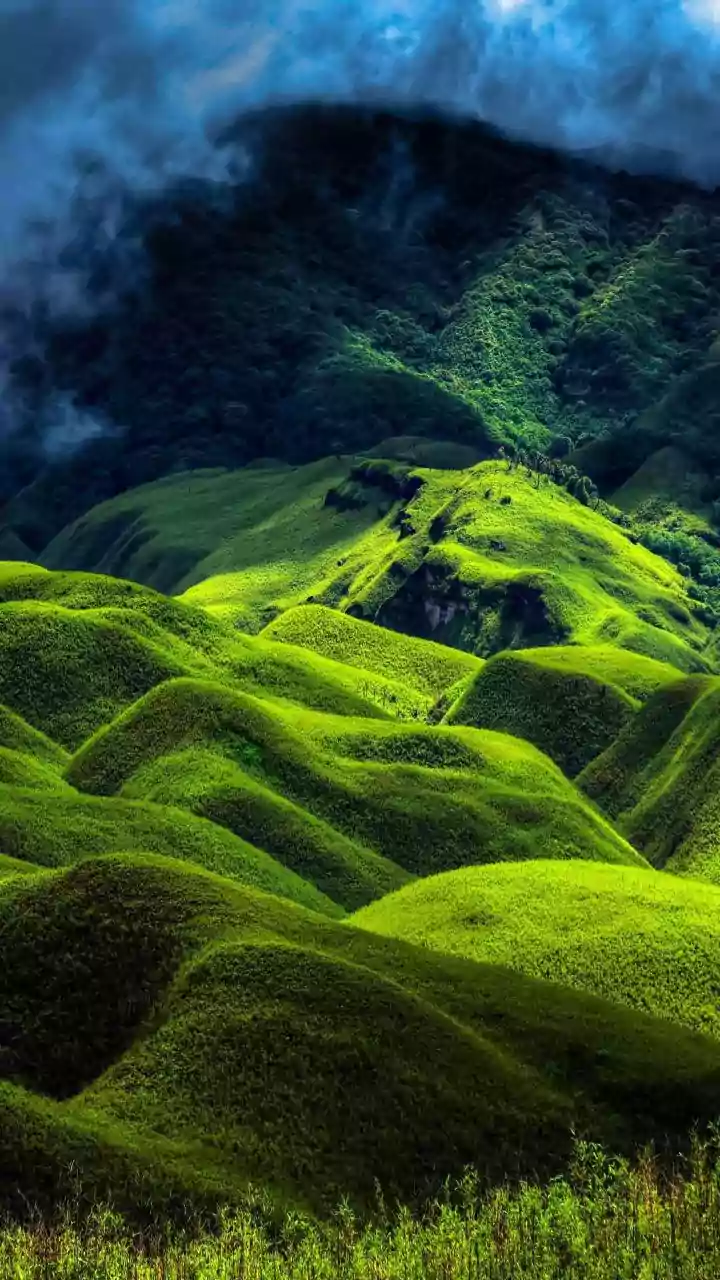
Our brains are not built for the sensory overload of a tourist throng. Constant noise, jostling for physical space, and the low-grade stress of navigating a dense crowd trigger a subtle fight-or-flight response. It’s hard to feel contemplative wonder when your subconscious is busy tracking potential threats and navigating obstacles. You’re not absorbing the history of the Acropolis; you’re trying not to get hit by a selfie stick. Conversely, having space allows for a different kind of mental state. Psychologists talk about “soft fascination,” the gentle, restorative focus that occurs when we observe natural or beautiful environments without distraction. It’s what happens when you can actually hear the birds in a park, feel the sea breeze without smelling someone else’s sunscreen, or study the details of a painting without being pushed along by a line. This mental peace, this ability to be truly present, is a resource far scarcer than any five-star amenity.
An Antidote to Overtourism
Choosing fewer crowds isn't just a selfish act of self-preservation; it's a more sustainable and respectful way to see the world. Overtourism strains local infrastructure, drives up housing costs, and erodes the very culture that made a place attractive in the first place. When Venice has to consider ticketing entry to the city and Barcelona locals protest the hollowing out of their neighborhoods, it's clear the model is broken. Seeking out the shoulder season (the months just before or after peak season) or exploring a second-tier city instead of the capital spreads the economic benefits of tourism more evenly. It supports businesses that might otherwise struggle and gives overwhelmed destinations a chance to breathe. By consciously avoiding the peak, you vote with your wallet for a more balanced and regenerative form of travel. You’re not just getting a better trip; you’re helping ensure that there are still amazing places left to visit in the future.
Redefining the Destination
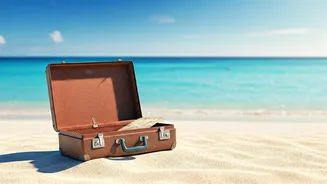
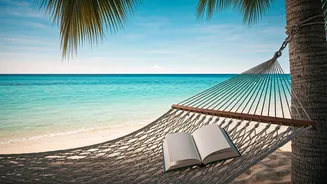
The ultimate shift is redefining what “luxury” even means. It’s not about exclusivity bought with money, but about an experience earned through intention. It’s the luxury of an empty beach in the early morning, a quiet museum gallery on a Tuesday afternoon, or a conversation with a shopkeeper who isn’t too busy to talk. It's choosing the charming town one stop past the famous one on the train line. This kind of luxury is surprisingly democratic. It doesn’t require a bigger budget—in fact, traveling off-peak or to less-famous locales is often cheaper. What it requires is a change in mindset: valuing the quality of the experience over the quantity of sights seen. It’s about trading the frantic for the fulfilling. Instead of asking “What did I see?” the question becomes, “How did this place make me feel?” And the answer, in the quiet spaces you’ve carved out for yourself, is often profound.