





The Gateway Drink: Mango Lassi
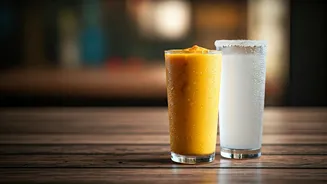
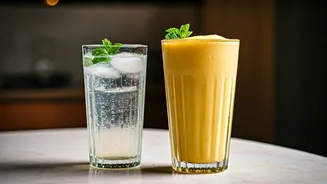
Let’s start with the ambassador, the one you’ve likely seen on every Indian restaurant menu: the mango lassi. This creamy, yogurt-based smoothie is the perfect entry point. Made by blending ripe mangoes (often Alphonso, the king of mangoes) with yogurt,
a splash of milk, and a hint of sugar or cardamom, it’s a drink that feels both indulgent and wholesome. Its appeal is obvious—it’s sweet, fruity, and has the familiar comfort of a smoothie. But the yogurt base, with its subtle tang and probiotic benefits, sets it apart from a simple milkshake. As Americans embrace gut-healthy foods and yogurt in all its forms (from Greek to kefir), the lassi feels less like an exotic outlier and more like a logical, delicious next step. It’s the drink that opened the door, proving that American palates were ready for something more.
The Ultimate Thirst Quencher: Nimbu Pani
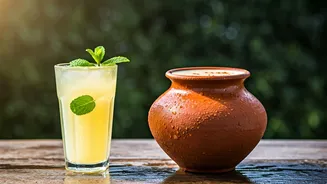
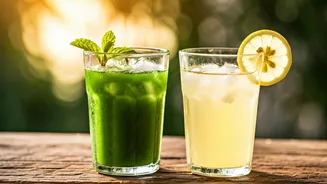
If lassi is the rich cousin, nimbu pani (or shikanji, in its spiced-up form) is the cool, minimalist artist. This isn't your grandma’s lemonade. At its core, it’s a simple mix of lime juice, water, sugar, and salt. Yes, salt. It’s the secret ingredient that transforms a simple sweet-and-sour drink into an electrolyte-packed powerhouse, designed for rehydration in scorching heat. Often, it’s elevated with roasted cumin, black salt (kala namak), and ginger, creating a complex savory-sour-sweet flavor profile that’s astonishingly refreshing. As the non-alcoholic and low-sugar beverage market explodes, nimbu pani offers a sophisticated alternative to cloyingly sweet sodas. It’s a grown-up drink that respects your intelligence, delivering a jolt of flavor that’s as invigorating as a plunge into a cool pool.
The Tangy Powerhouse: Aam Panna
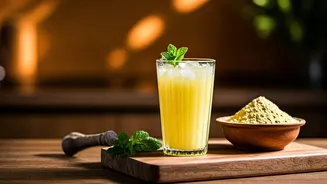
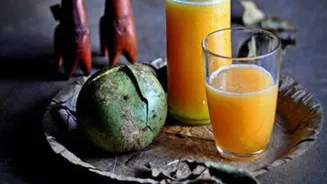
Before mangoes ripen into the sweet, golden fruit needed for a lassi, they exist in a green, tart, and far more aggressive form. This is the star of Aam Panna. Unripe green mangoes are boiled and blended into a pulp, then mixed with a kaleidoscope of spices: cumin, fennel, black salt, and sometimes fresh mint. The result is a tangy, smoky, and slightly sweet concentrate that’s diluted with cold water to create an incredible summer cooler. Aam Panna is a taste of the Indian summer in its rawest form—a clever use of the season’s first fruits to combat the heat that is yet to come. For the American consumer tired of one-note sweetness, it offers a thrillingly complex flavor journey in every sip. It hits the same notes that make sour beers and kombucha so popular: tart, funky, and undeniably compelling.
The Floral Mystery: Rooh Afza and Falooda
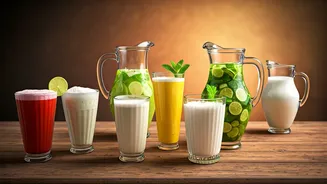
Now for the wild card. Rooh Afza is not so much a drink as it is a legendary syrup—a deep crimson concentrate of fruits, herbs, and floral essences, most notably rose. Mixed with water or milk, it creates a cooling drink that tastes like a fragrant garden. Its most famous application is in a falooda, a layered dessert-drink hybrid that combines the rose syrup with milk, vermicelli noodles, basil seeds (sabja), and a scoop of ice cream. It's a textural wonderland and a visual masterpiece. While a sweet drink with noodles might sound strange at first, it fits perfectly into the bubble tea phenomenon. As boba has primed Americans to expect—and enjoy—chewy, interesting textures in their beverages, the complex and beautiful falooda is no longer a bridge too far. It’s the next logical obsession for anyone looking for a drink that’s also an experience.