






So, What Is a Noodle Night?
At its core, a noodle night is a social gathering where the main event is customized instant noodles. Forget the sad, solo cup of ramen you ate in a dorm room. This is a full-blown production. The host typically provides a base of affordable instant noodles—from
classic Maruchan to trendier imports like Shin Ramyun or Samyang—and hot water or broth. The real magic, however, lies in the toppings bar. Guests gather around a spread of ingredients laid out like a DIY sundae station, but for soup. We’re talking soft-boiled eggs, sliced scallions, sautéed mushrooms, chili crisp, corn, cilantro, edamame, and whatever else the host’s budget and creativity allow. Everyone builds their own perfect bowl, turning a simple, inexpensive meal into a communal, interactive experience. It’s less a formal dinner party and more a collaborative food event, perfectly suited for small apartments and tight budgets.
The Perfect Recipe for a Generation
Why has this specific format taken off with Gen Z? It’s a perfect storm of economic reality, social needs, and cultural values. First, the obvious: it’s cheap. With inflation squeezing budgets and the cost of dining out soaring, hosting a noodle night is an incredibly affordable way to socialize. A few packs of noodles and some shared toppings cost a fraction of a single restaurant entree. But the appeal runs much deeper than cost. In an era marked by discussions of a loneliness epidemic, noodle nights offer a low-pressure form of community. Unlike a traditional dinner party that puts all the pressure on the host to perform, this is a potluck-style, collaborative effort. It’s about gathering, not gourmet excellence. This informal structure fosters genuine connection over curated perfection, creating a cozy, safe space that many younger people crave. It’s an antidote to the isolation of remote work and the anxiety of post-pandemic socializing.
From Kitchen Counter to TikTok Feed
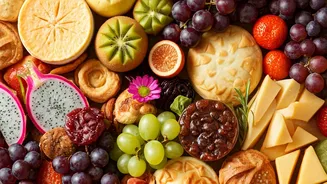
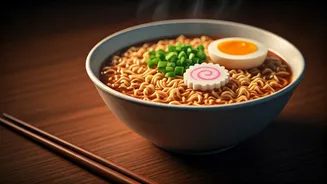
Of course, you can’t talk about a Gen Z trend without talking about social media. Noodle nights are incredibly photogenic. The visual appeal of a “ramen board”—a charcuterie-style platter loaded with colorful toppings—is undeniable. A perfectly arranged bowl, with its glistening broth, jammy egg, and vibrant greens, is prime content for TikTok and Instagram. This is where the “Food FOMO” (Fear Of Missing Out) in the headline really clicks. Seeing endless videos of these cozy, joyful gatherings creates a powerful desire to participate. The trend feeds itself: people see a noodle night online, get inspired to host their own, post about it, and inspire others to do the same. The #noodlenight and #ramenbar tags are filled with millions of views showcasing everything from humble student setups to elaborate, aesthetically perfect spreads. This online visibility has turned a simple meal into a full-fledged cultural phenomenon.
The Glow-Up of Instant Ramen
This trend also signals a major shift in how we perceive instant ramen. For decades, it was stigmatized in the U.S. as cheap survival food for students and struggling artists. But that perception is changing. Fueled by the global popularity of K-dramas, the rise of Asian food influencers, and a general foodie culture that loves a “high-low” mix, instant ramen has undergone a serious glow-up. People are no longer just following the packet instructions; they are “hacking” their ramen with high-quality ingredients, turning a 99-cent meal into something complex and deeply satisfying. Premium and spicy varieties from brands across Asia are now readily available in American supermarkets, catering to a more adventurous palate. The noodle night trend is the ultimate expression of this evolution, celebrating instant ramen not as a food of last resort, but as a versatile, delicious, and worthy canvas for culinary creativity.